Why did Unilever choose to green its supply chain?
Benefits of greening the supply chain
Lessons for Vietnamese businesses
Conclusion
Unilever Vietnam Greens Its Supply Chain: Lessons for Businesses
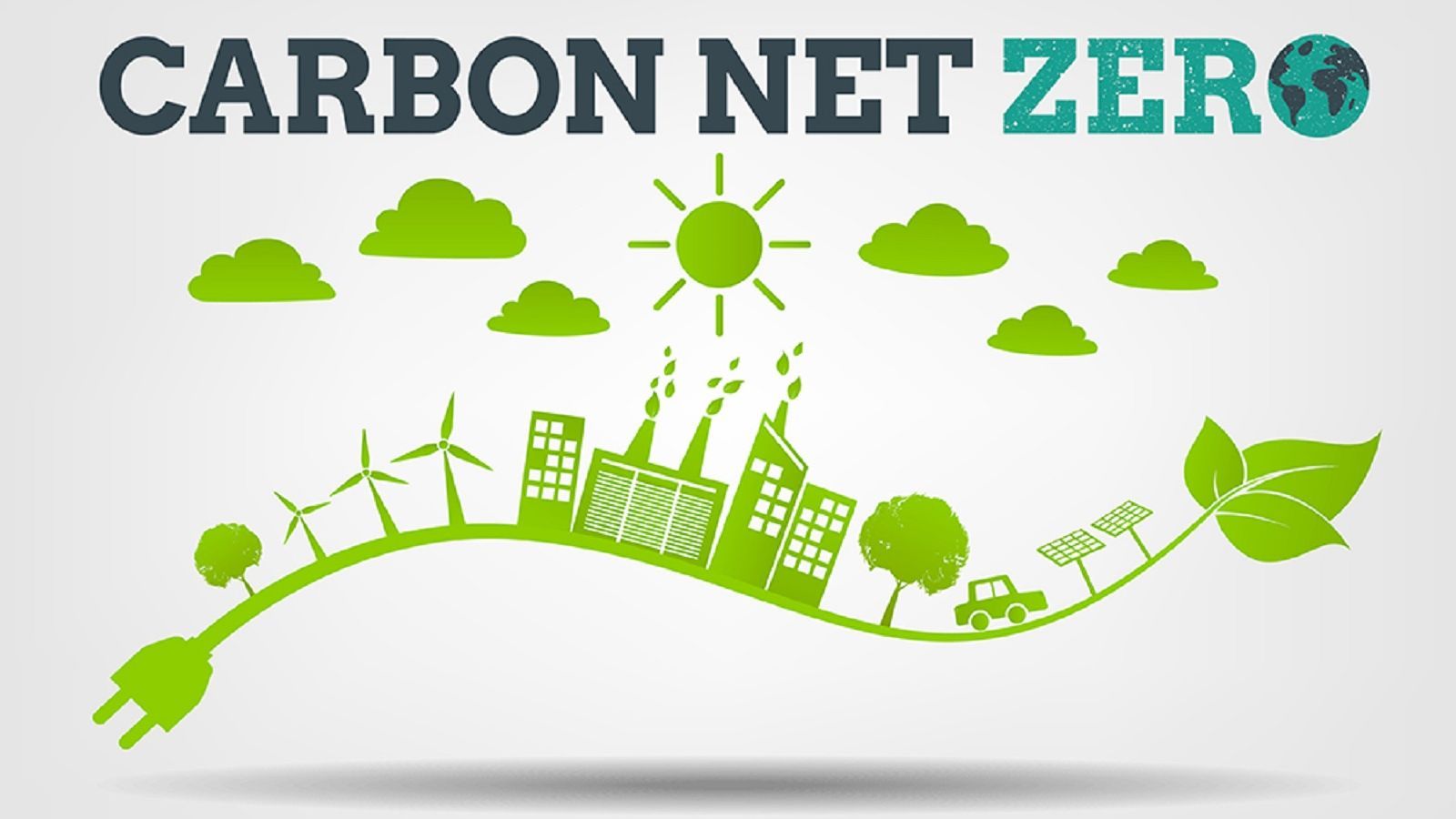
Unilever Vietnam is leading the way in greening its supply chain to achieve its Net Zero goal. The company has rolled out a series of sustainable solutions, from using renewable energy and optimizing green transportation to close collaboration with partners. This not only helps Unilever reduce emissions and optimize costs but also strengthens its competitive advantage. This article analyzes why Unilever chose this strategy, the specific benefits, and the valuable lessons for Vietnamese businesses on their sustainable development journey.
Why did Unilever choose to green its supply chain?
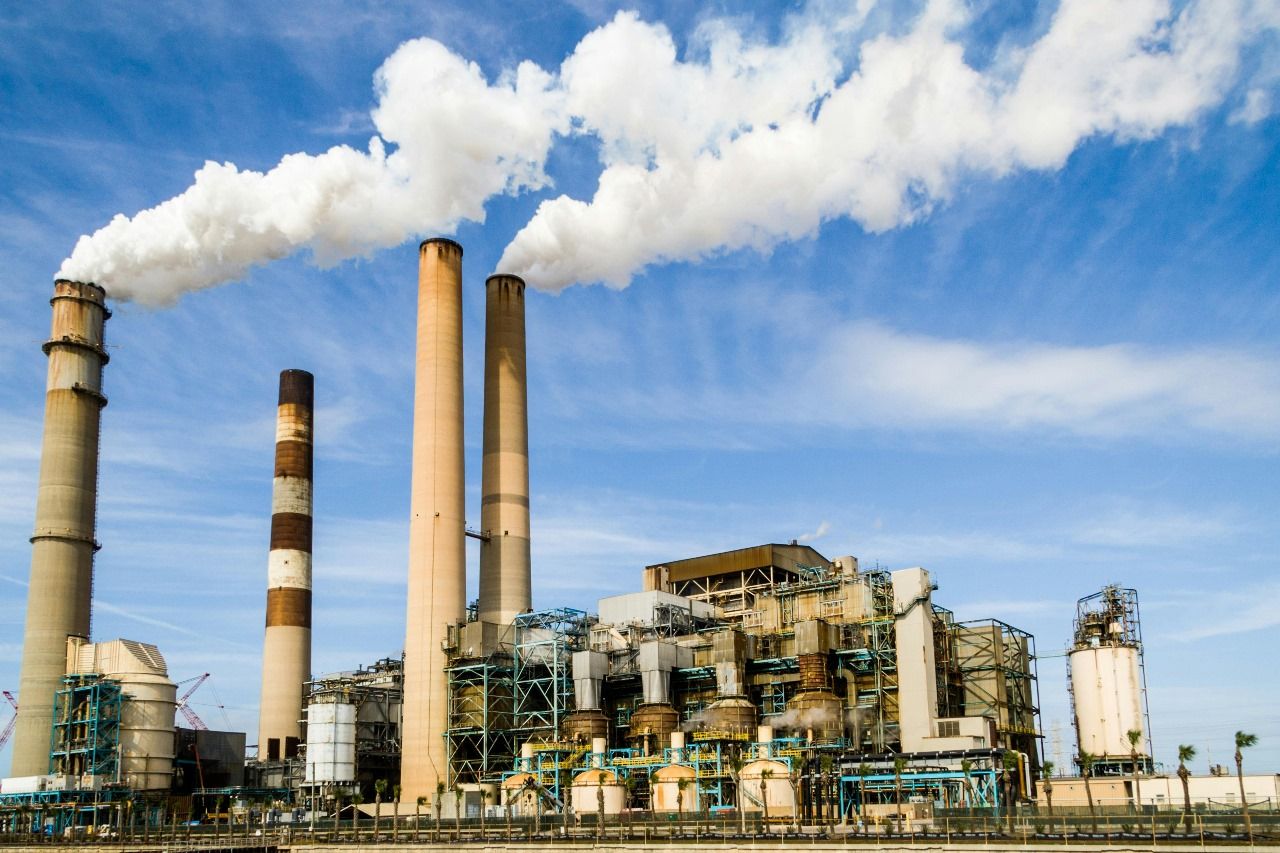
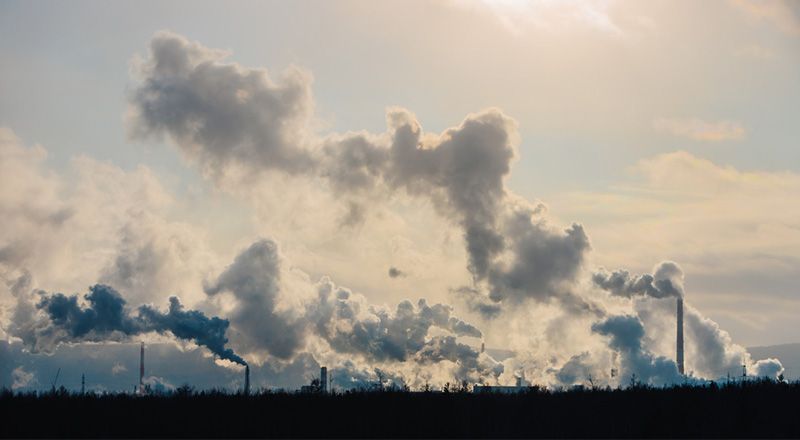
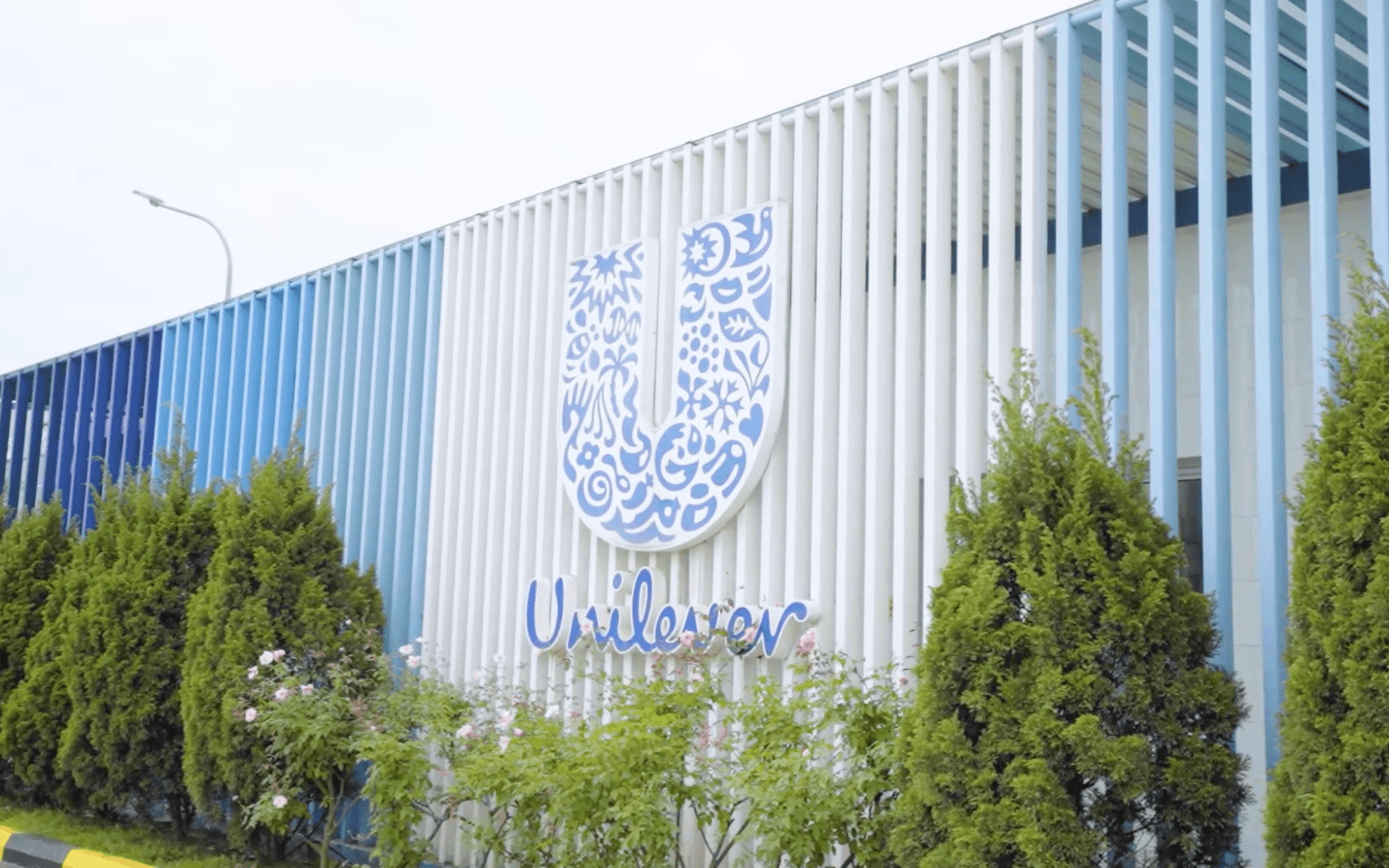
Unilever is one of the world's leading consumer goods corporations, with a vast supply chain spanning multiple countries. However, according to Unilever's internal report (Unilever Sustainability Report), 60% of the company's greenhouse gas emissions come from its supply chain, including raw material production, transportation, and product distribution. This poses a major challenge in controlling emissions and delivering on its commitment to Net Zero by 2039.
Three main reasons why Unilever decided to green its supply chain:
- Pressure from the market and regulations: Countries are tightening environmental regulations, particularly in the export sector. Failing to meet green standards could cause Unilever to lose important markets.
- A long-term sustainable development strategy: A sustainable supply chain helps Unilever reduce raw material risks, optimize operating costs, and maintain competitiveness.
- Meeting consumer demand: An increasing number of customers prioritize products with sustainable origins, forcing Unilever to adjust its production model to maintain its market position
Benefits of greening the supply chain
Greening the supply chain not only helps Unilever reduce its environmental impact but also delivers many economic and strategic benefits, helping the company improve operational efficiency.
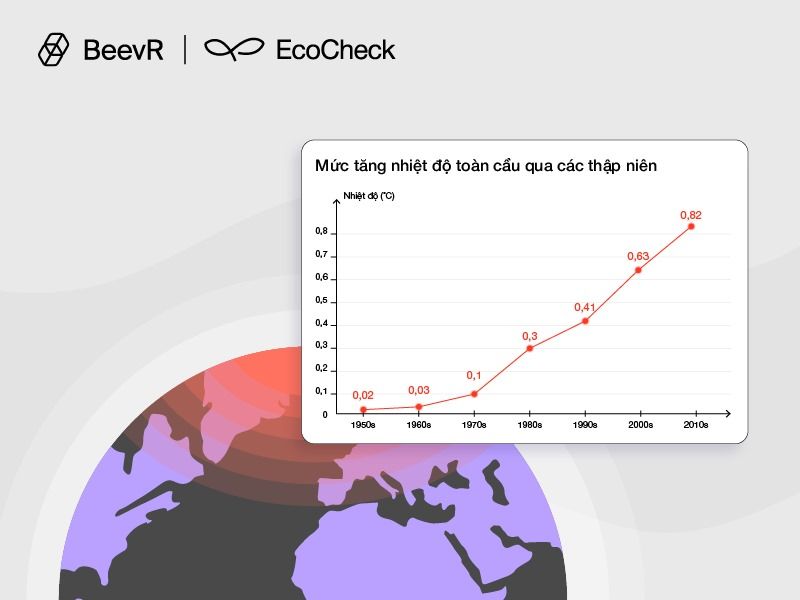
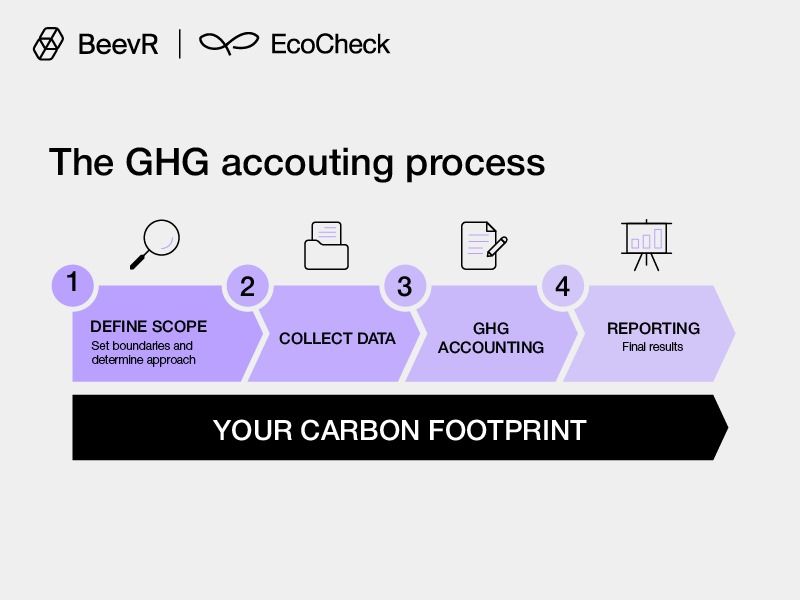
- Reducing greenhouse gas emissions: By applying energy optimization measures and switching to sustainable sources of supply, Unilever reduced its supply chain CO₂ emissions by 32% in just 5 years (Unilever Sustainability Report). The main solutions include using 100% renewable energy, optimizing green transportation, and choosing sustainable raw materials. To control emissions more accurately, many businesses have also adopted automated emissions tracking tools such as EcoCheck, which help measure and report the CO₂ generated across the entire supply chain.
- Optimizing operating costs: According to research from McKinsey & Company, businesses that adopt sustainable supply chains can save 5-10% in operating costs by reducing raw material waste, optimizing energy use, and improving work performance. Investing in renewable energy and green production processes helps Unilever save millions of USD each year. Software such as EcoCheck also helps businesses accurately track energy consumption, enabling them to plan adjustments and save more effectively.
- Enhancing competitive advantage and brand: As consumers become increasingly concerned about environmental issues, products manufactured under a sustainable model hold a significant advantage in the market. Thanks to its supply chain greening campaigns, revenue from Unilever's sustainable products has grown 50% faster than that of conventional products.
- Improving relationships with partners and suppliers: Unilever does not pursue greening in isolation but works closely with suppliers to reduce emissions together. Supporting partners in transitioning to sustainable production helps create a more resilient supply chain ecosystem.
- Meeting compliance requirements and avoiding legal risks: Environmental regulations are becoming increasingly strict, especially in the export sector. Greening the supply chain helps Unilever meet international standards, avoid legal risks, and maintain its markets. Vietnamese businesses can also apply solutions such as EcoCheck to automatically track emissions data, helping ensure compliance with standards without requiring excessive manpower and cost.
Lessons for Vietnamese businesses
- Leadership commitment is the key factor: One of the reasons Unilever succeeded in greening its supply chain is the strong commitment from its leadership. Unilever CEO Alan Jope declared that "sustainable growth is the only model Unilever pursues." Vietnamese businesses need to build a sustainability strategy from the management level to implement it effectively.
- Collaborating with partners to expand impact: Unilever works closely with suppliers to reduce emissions together. They provide technical and financial support to help partners transition to sustainable production. Therefore, Vietnamese businesses can learn from this by building a sustainable ecosystem, collaborating with partners and suppliers to reduce environmental impact together.
- Investing in technological innovation: Technology plays an important role in the process of greening the supply chain. Unilever has applied artificial intelligence (AI) to track emissions at its factories and optimize operations. Vietnamese businesses need to focus on investing in technology such as automated emissions tracking software and AI solutions to optimize energy use and production processes.
- Building a sustainable financial model: Greening the supply chain may require high initial investment costs, but in the long run it delivers significant economic benefits. Businesses can access green financing sources, innovation support funds, or collaborate with international organizations to ease the cost burden.
- Strengthening communications and building a green brand: A brand committed to sustainable development not only attracts customers but also builds trust with partners and investors. Businesses should leverage communication campaigns to raise brand awareness and affirm their position in the market.
Conclusion
Greening the supply chain not only helps Unilever reduce greenhouse gas emissions but also delivers many economic benefits, optimizes operations, and enhances competitiveness. This is a long-term strategy that helps businesses adapt to the global trend toward sustainable business.
For Vietnamese businesses, transitioning to a sustainable model is the key to optimizing costs and enhancing brand value. Applying technology such as EcoCheck helps businesses track and inventory emissions more easily, enabling them to devise effective reduction strategies, ensure regulatory compliance, and enhance their competitive advantage. This is not only an environmental responsibility but also an opportunity for businesses to develop sustainably in the new era.
Contact information: BeevR Technology Company Limited
Address: (Hanoi Office) 125 Hoang Ngan, Trung Kinh, Cau Giay, Hanoi
Hotline: 037.6869.366
Email: [email protected]
Website: https://ecocheck.ai/
Facebook group: https://www.facebook.com/groups/congdongkiemkekhinhakinhvietnam
Facebook fanpage: https://www.facebook.com/BeevRTechnologies