1. The transport sector and the pressure to reduce greenhouse gas emissions
2. Electric vehicles: An inevitable trend and a stepping stone to Net Zero in Vietnam
VinFast and the wave of transport electrification
The development of supporting infrastructure for electric vehicles
Pioneering transport companies
3. Are electric vehicles really the optimal solution to the transport sector's emissions challenge?
Direct reduction of CO₂ emissions
Challenges that need to be addressed
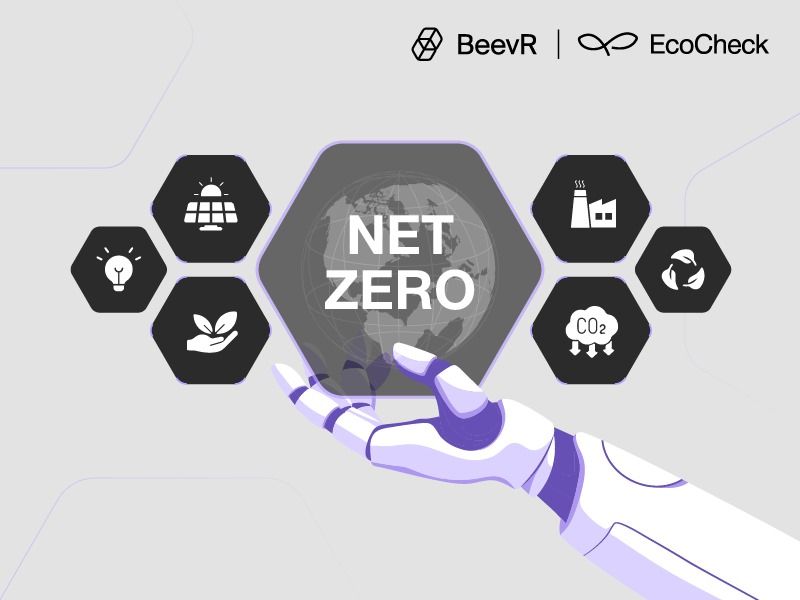
4. Electric vehicles as one part of a comprehensive Net Zero ecosystem
5. Conclusion: Electric vehicles - necessary but not sufficient!
Electric Vehicles and the Net Zero Journey of Vietnam's Transport
The transport sector is under mounting pressure to cut greenhouse gas emissions in order to meet global Net Zero commitments. Among the available options, shifting from internal combustion engine vehicles to electric vehicles is regarded as one of the key strategies. VinFast and many other Vietnamese companies have pioneered this trend. But are electric vehicles truly the optimal solution for the transport sector to reach its emission reduction targets? Or do we need a more comprehensive and sustainable ecosystem? This article provides a detailed analysis of the opportunities and challenges of electric vehicles along Vietnam's transport-sector decarbonization roadmap.
1. The transport sector and the pressure to reduce greenhouse gas emissions
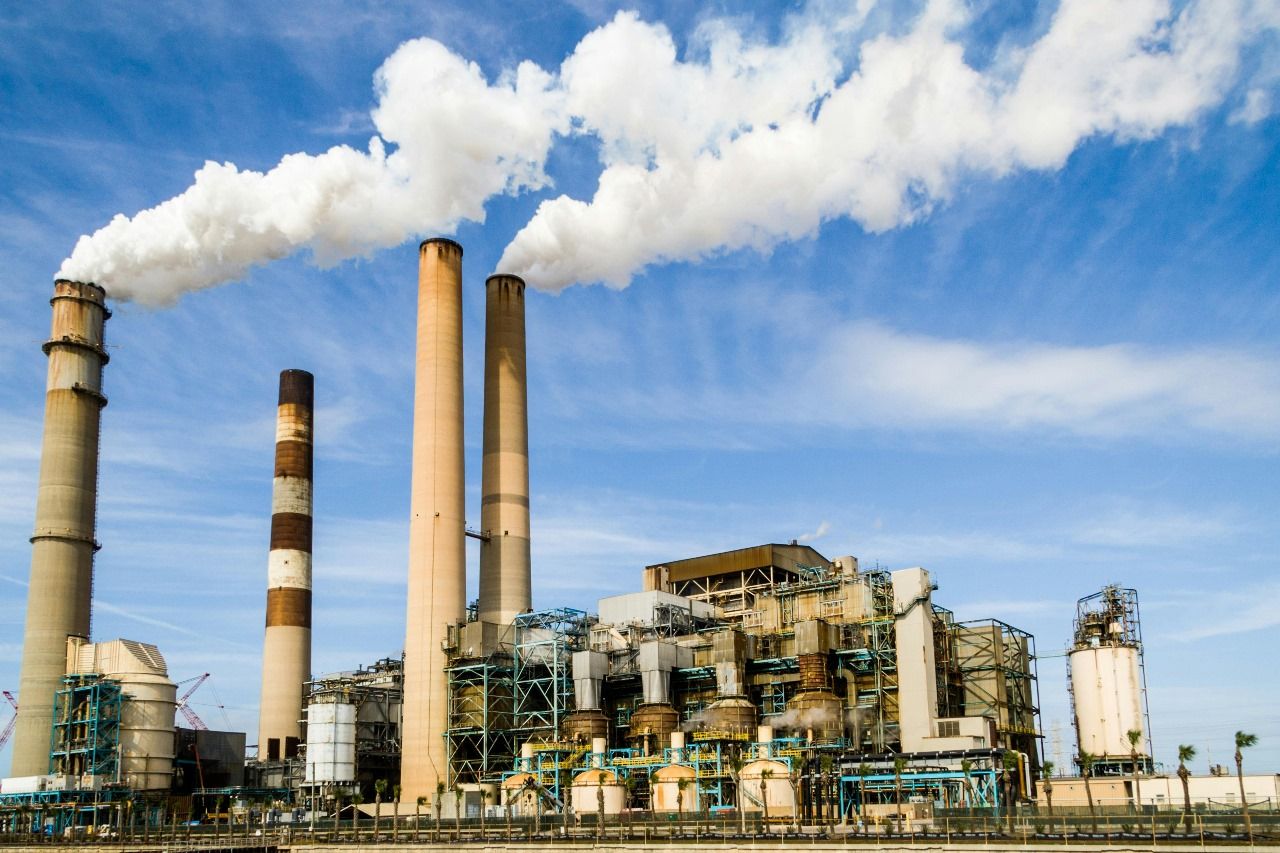
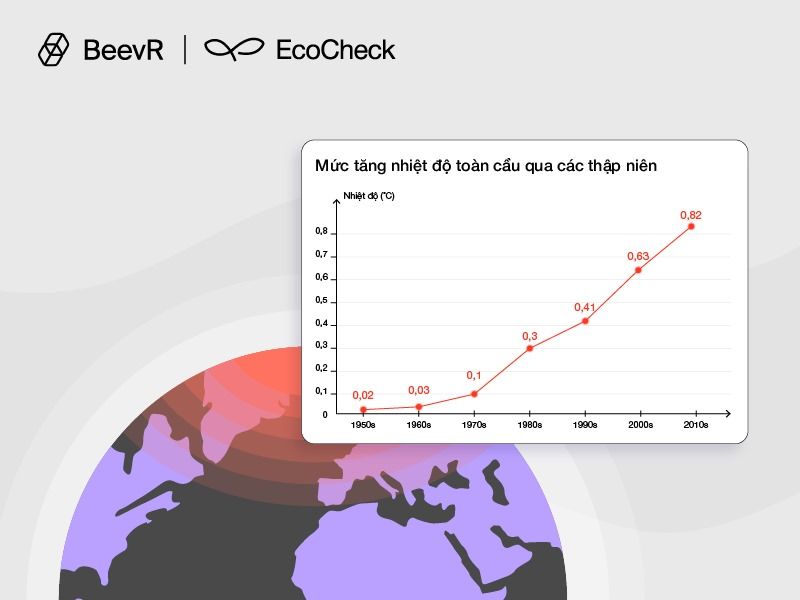
Transport currently accounts for around 20% of total global greenhouse gas emissions, according to a report by the International Energy Agency (IEA, 2023). In Vietnam, this figure is far from small, as demand for freight and passenger transport rises sharply alongside urbanization and economic development.
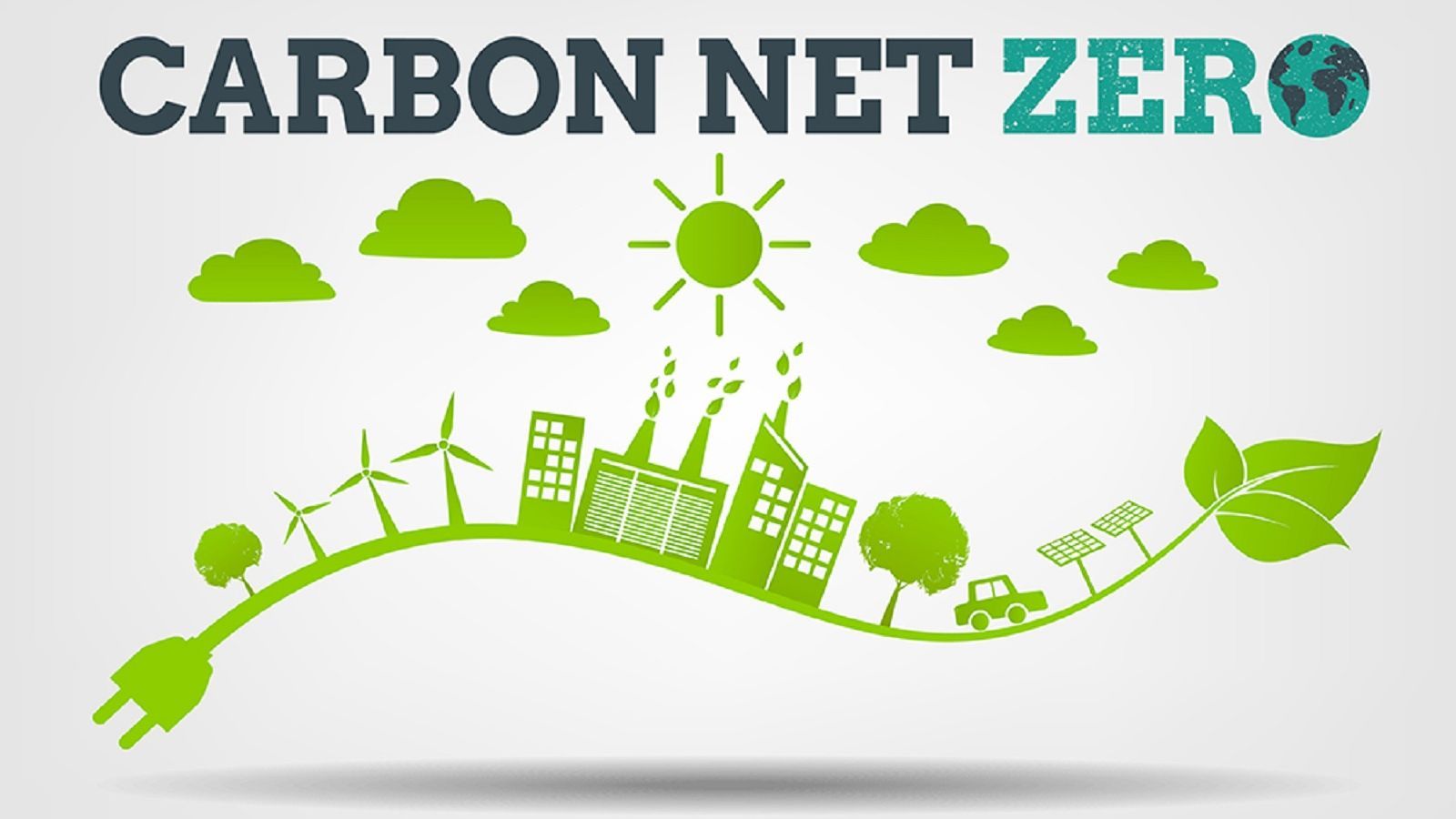
To meet greenhouse gas emission reduction commitments under the National Green Growth Strategy and the 2050 Net Zero commitment made at COP26, Vietnam's transport sector must transform itself. One of the most important solutions being discussed is precisely the shift to electrified transport, especially electric vehicles.
2. Electric vehicles: An inevitable trend and a stepping stone to Net Zero in Vietnam
VinFast and the wave of transport electrification
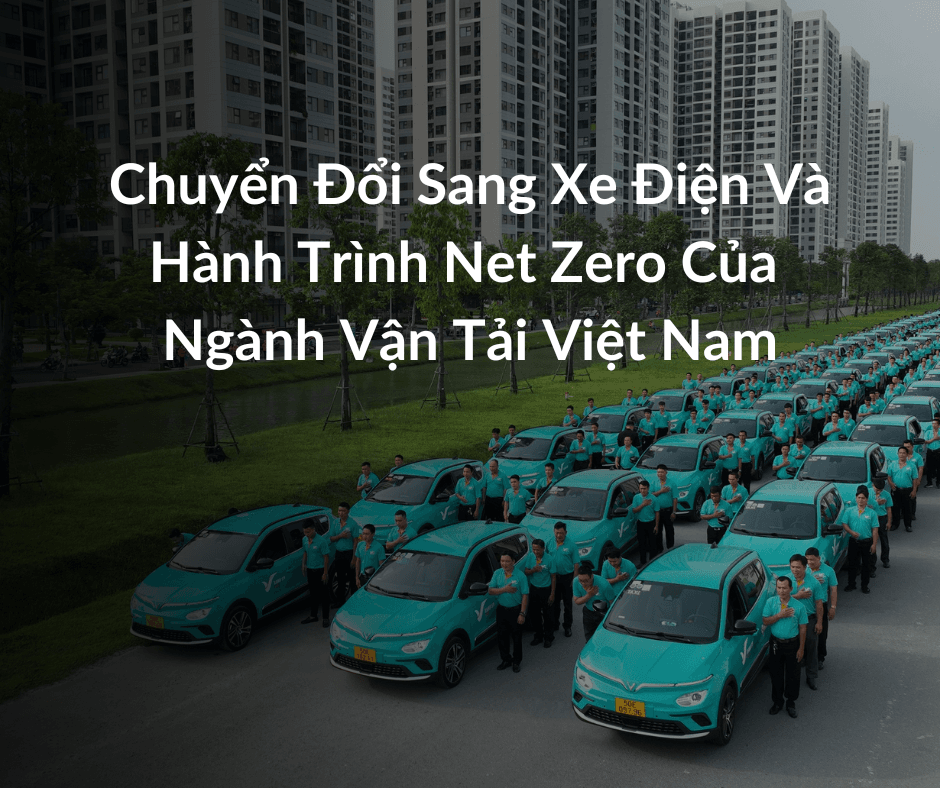
In recent years, VinFast has become a symbol of the shift toward sustainable transport in Vietnam. With a range of electric vehicles from passenger cars to electric buses and taxis, VinFast serves not only the domestic market but also reaches international markets. The company aims to become a leading electric vehicle maker, contributing to the roadmap for reducing CO₂ emissions in the transport sector.
The development of supporting infrastructure for electric vehicles
Switching to electric vehicles is not only about the vehicles themselves but also requires a synchronized infrastructure system. Projects to build fast-charging stations nationwide, together with policies offering preferential import taxes on components and reduced registration fees for electric vehicles, have laid the foundation for the strong growth of this type of vehicle.
Pioneering transport companies
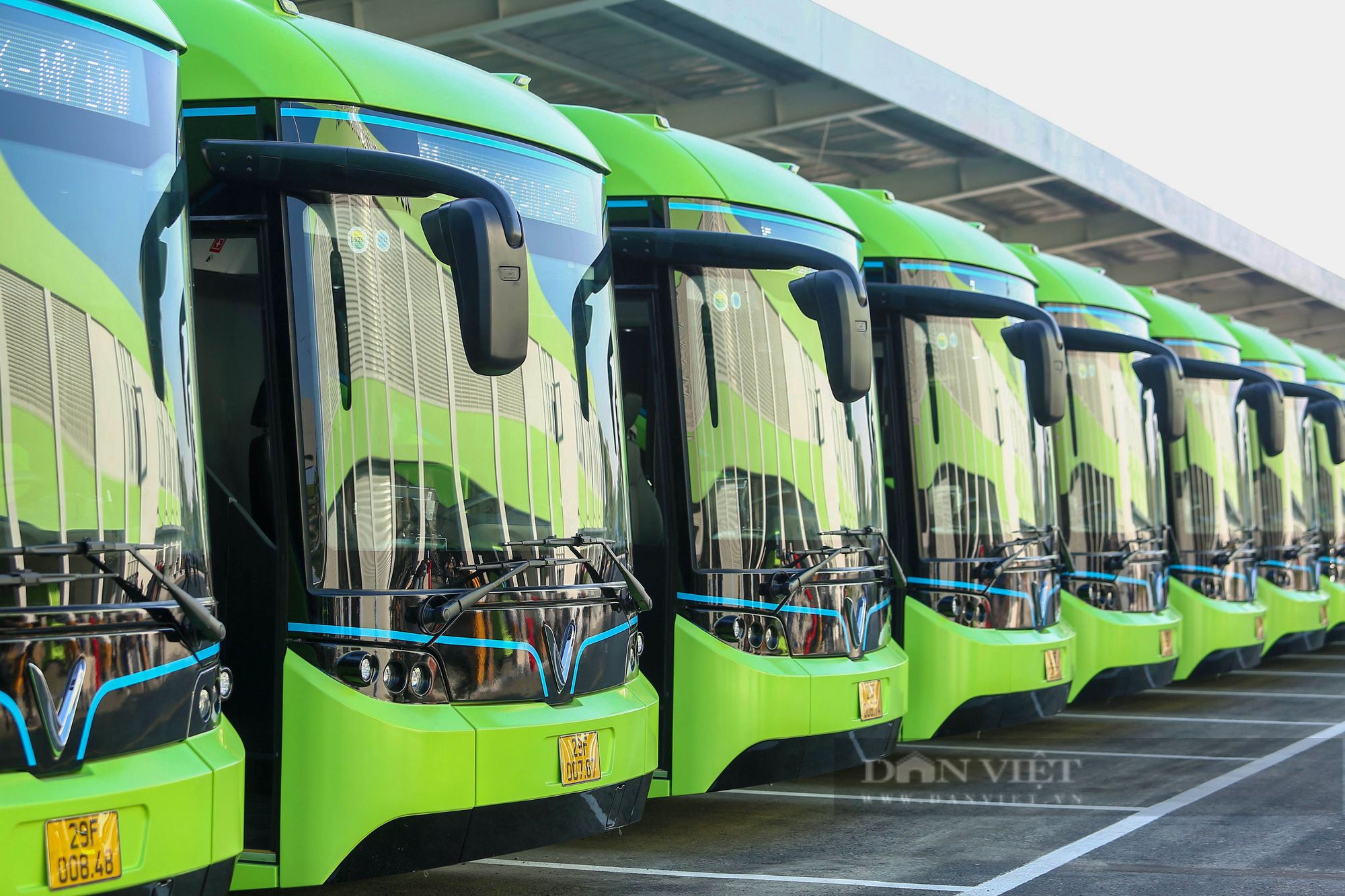
Many transport companies have begun adopting electric vehicles in their operations. Notable examples include GSM with its electric taxi model and VinBus with its electric bus system in major cities. These are pioneering models that help reduce direct emissions from internal combustion engines, contributing to cleaner air and lower urban pollution.
3. Are electric vehicles really the optimal solution to the transport sector's emissions challenge?
Direct reduction of CO₂ emissions
Electric vehicles have a clear advantage in that they eliminate direct emissions from the tailpipe. A study by the International Renewable Energy Agency (IRENA, 2023) shows that an average electric vehicle can reduce emissions by around 50% of CO₂ compared with a petrol or diesel vehicle, if charged with renewable energy.
Challenges that need to be addressed
However, the story does not end with switching vehicles. Issues around the source of electricity used for generation and charging, the manufacturing and recycling of lithium-ion batteries, along with battery lifespan and the ability to handle electronic waste, remain complex problems.
Vietnam's electricity supply currently still depends heavily on coal-fired power. If electric vehicles are charged from a grid powered by coal, the emission reduction benefits will be limited. A report by Vietnam's Ministry of Industry and Trade (2024) states that renewable energy currently accounts for only 27% of total national electricity output.
In addition, investment in charging station infrastructure, especially in rural areas or regions far from urban centers, still faces many difficulties. The production costs of electric vehicles and batteries are also higher, which means the current price of electric vehicles is not yet truly accessible to the majority of small and medium-sized transport companies.
4. Electric vehicles as one part of a comprehensive Net Zero ecosystem
To achieve the Net Zero target in the transport sector, Vietnam cannot rely solely on switching vehicles to electric, but needs a more comprehensive strategy.
The solutions that need to be combined include:
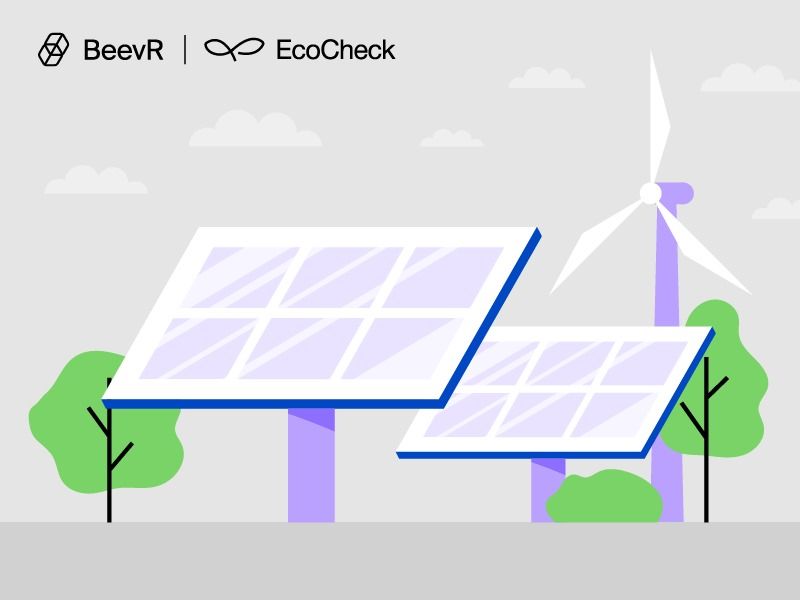
- Developing renewable energy to supply clean electricity for electric vehicles.
- Optimizing logistics and multimodal transport, reducing unnecessary transport distances.
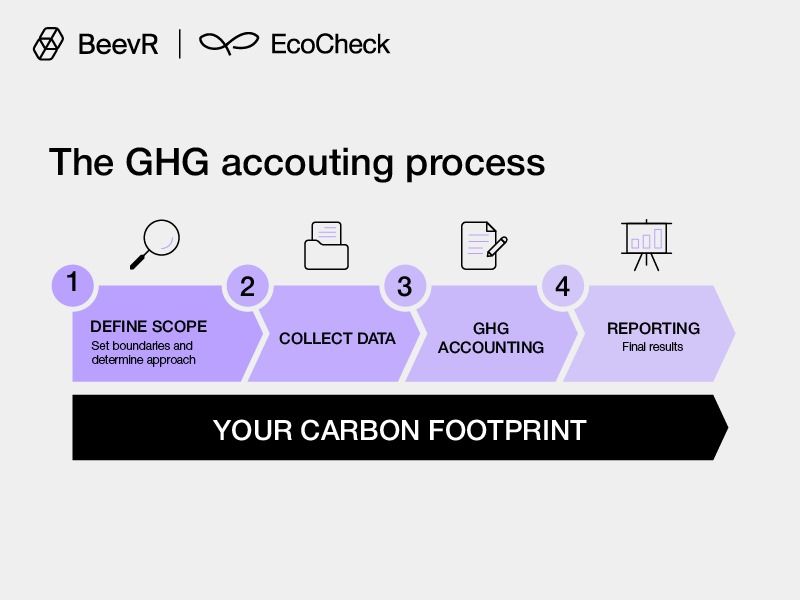
- Applying emission inventory and management technology, helping companies accurately measure their greenhouse gas emissions and build effective emission reduction strategies.
The EcoCheck.ai platform currently supports Vietnamese transport companies in carrying out GHG inventories to international standards, helping the transport sector make its emissions data more transparent and meet the requirements of international markets, especially the EU with CBAM (the Carbon Border Adjustment Mechanism).
5. Conclusion: Electric vehicles - necessary but not sufficient!
Electric vehicles are an inevitable trend and an important part of Vietnam's transport-sector emission reduction strategy. However, to achieve the Net Zero target by 2050, a more comprehensive ecosystem approach is needed, encompassing clean energy, vehicle lifecycle management, and transparent emission inventories. Transport companies need to swiftly transform their operating models, invest in clean technology, and use emission inventory tools such as EcoCheck.ai so as not to fall behind in the race for exports and sustainable global supply chains.
Contact information: BeevR Technology Company Limited
Address: (Hanoi Office) 125 Hoang Ngan, Trung Kinh, Cau Giay, Hanoi
Hotline: 037.6869.366
Email: [email protected]
Website: https://ecocheck.ai/
Facebook group: https://www.facebook.com/groups/congdongkiemkekhinhakinhvietnam
Facebook fanpage: https://www.facebook.com/BeevRTechnologies