The numbers you need to know
What has changed
Implementation roadmap
What do businesses need to prepare?
EcoCheck helps you do exactly that
Start today
2025-2026 Emission Quotas Allocated: What Businesses Must Do Now
The numbers you need to know
The approved total pilot greenhouse gas emission quota:
- 2025: 243,082,392 tonnes CO₂e
- 2026: 268,391,454 tonnes CO₂e
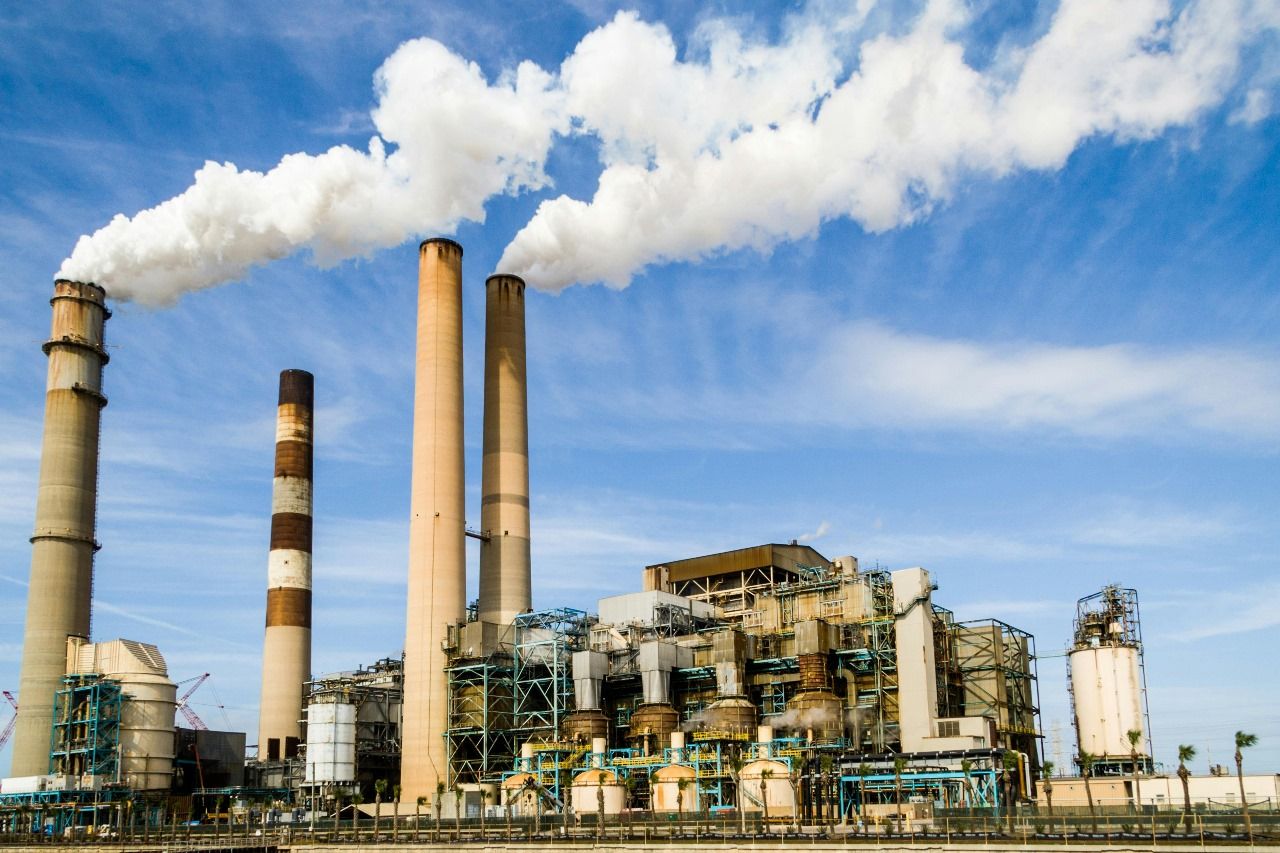
Allocated to 110 facilities comprising: 34 thermal power plants, 25 iron and steel production facilities, and 51 cement production facilities.
If your facility is on this list, the quota is no longer an abstract concept - it is a figure directly binding on your production operations and operating costs.
What has changed
Previously, GHG inventory in Vietnam was largely a matter of reporting. From now on, each facility has a specific emissions cap, and exceeding the quota will carry legal and financial consequences.
More importantly, the Deputy Prime Minister has clearly stated the requirement: businesses must calculate their own figures, hire experts to assess them, and have an independent unit measure and certify the data. This means internal inventory figures are no longer sufficient - you need a data system robust enough to be submitted for third-party verification.
Implementation roadmap
| Phase | Content |
|---|---|
| 2025-2026 | Pilot quota allocation; finalize the measurement - reporting - verification mechanism |
| 2027-2028 | Expand the list; quotas assigned before October 31, 2027 |
| From 2028 | Official and mandatory nationwide rollout |
There is not much time left to prepare. Facilities that have not built a systematic emissions tracking system will face the risk of non-compliance as soon as the mandatory phase begins.
What do businesses need to prepare?
Based on the requirements in Decision 263/QD-TTg and Decree 119/2025/ND-CP, there are three core tasks that thermal power plants, steel facilities, and cement facilities need to carry out immediately:
1. Establish a real-time emissions data collection system The measurement data must be accurate enough to reconcile against the allocated quota, while also meeting international standards to be recognized under Vietnam's NDC commitments.
2. Standardize internal reporting processes From data collection → cross-checking → report preparation → preparing documentation for the independent verification unit. This process needs to run continuously, not just at year-end.
3. Track your position relative to the quota to proactively trade carbon credits Under Decree 119, facilities are permitted to trade emission quotas and carbon credits on the carbon exchange. Knowing where you stand relative to your quota - whether in surplus or deficit - is a prerequisite for making the right trading decisions at the right time.
EcoCheck helps you do exactly that
EcoCheck is a GHG inventory platform designed to fit Vietnam's legal framework, directly supporting the three groups of businesses within the pilot scope: thermal power, iron and steel, and cement.
With EcoCheck, businesses can:
- Automatically inventory emissions using national and international standard emission factors (IPCC, GHG Protocol)
- Track progress against the allocated quota by month, quarter, and year
- Generate standardized inventory reports ready for third-party verification
- Manage emissions data records transparently, with the entire history traceable
Rather than waiting until the mandatory system takes effect in 2028, businesses that become familiar with and operate well during the pilot phase will have a clear advantage - both in compliance and in cost optimization.
Start today
The quotas have been allocated. 2025 has been calculated. 2026 is under way.
If your facility does not yet have a systematic emissions inventory system, now is the time to start - before compliance pressure shifts from pilot to mandatory.
[Try EcoCheck for free] | [Contact us for implementation advice]
Reference sources: Decision No. 263/QD-TTg dated February 9, 2026 of the Prime Minister; Decree No. 119/2025/ND-CP.