Why is sustainability consulting important?
Strategy 1: Environmental impact assessment
Impact analysis
Implementation guide
Strategy 2: Optimize production processes
Streamlining processes
Implementation guide
Strategy 3: Develop sustainable products
Product innovation
Implementation guide
Strategy 4: Strengthen social responsibility
Community commitment
Implementation guide
Strategy 5: Communication and reporting
Transparent communication
Implementation guide
Sustainability Consulting for Businesses: Optimizing Operations
ESG and sustainable development strategies are no longer merely a trend; they have become a “law” shaping how the economy will operate in the future. Vietnam is on the path of transformation, becoming one of the pioneering countries in implementing sustainability standards in the region. In this context, where should businesses just beginning to practice ESG start? Which strategies should they adopt to optimize their limited resources? Sustainability consulting is the key that helps businesses set the right course on this journey.
Why is sustainability consulting important?
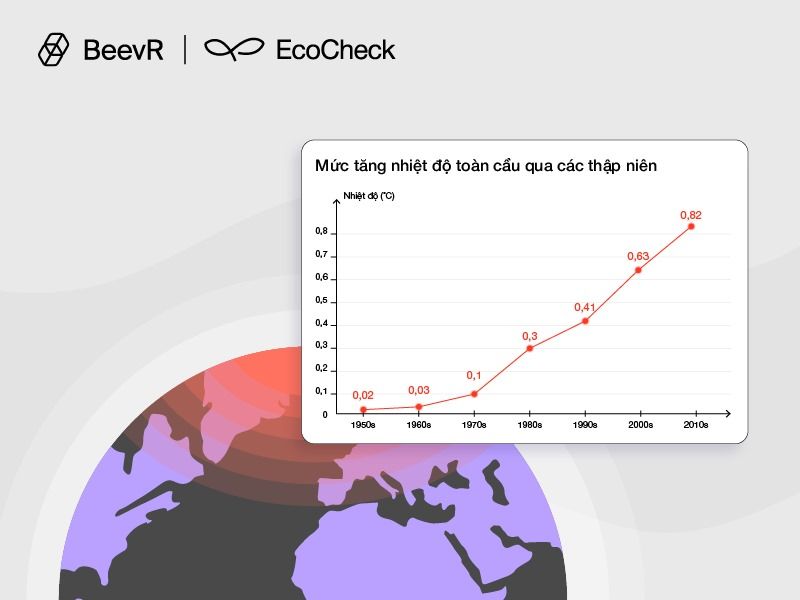
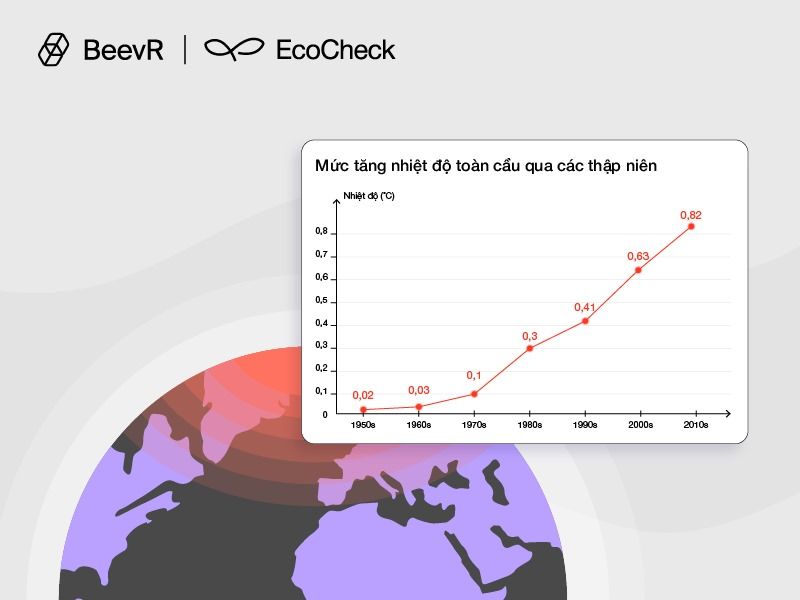
Sustainability consulting helps businesses not only minimize negative impacts on the environment but also optimize their production and management processes, thereby reducing costs and increasing profits. Moreover, more and more customers and investors are paying attention to a company’s social responsibility, so adopting sustainability consulting will help businesses attract interest and trust from customers.
Strategy 1: Environmental impact assessment
Environmental impact assessment has become an indispensable step in a company’s sustainability strategy. This assessment helps businesses identify and better understand the effects their operations may have on the environment.
Impact analysis
Businesses need to conduct an environmental impact assessment (EIA) to identify areas that need improvement. This process involves analyzing the company’s activities, products, and services, and then proposing measures to reduce negative impacts.

Implementation guide
- Collect data: Record parameters related to energy consumption, water use, and waste generated.
- Assess risks: Identify potential risks to the environment and public health.
- Develop an improvement plan: Based on the assessment results, businesses should build an improvement plan and set specific targets.
Strategy 2: Optimize production processes
By reviewing and improving production processes, businesses can save resources, reduce waste, and enhance operational efficiency. Explore the methods and tools that can help your business optimize its production processes sustainably.
Streamlining processes
One effective approach in sustainability consulting is optimizing production processes. Businesses need to reassess their current processes to identify areas for improvement.
Implementation guide
- Apply Lean Manufacturing: Use lean manufacturing methods to minimize waste and increase productivity.
- Integrate new technologies: Invest in modern technology to improve efficiency and conserve resources.
Train employees: Ensure that employees are trained in sustainable production methods.
Strategy 3: Develop sustainable products
Sustainable products not only meet consumer needs but also help build a positive brand image and create long-term value. Here are concrete steps your business can take to develop environmentally friendly products aligned with modern consumption trends.
Product innovation
Developing sustainable products not only helps businesses meet market demand but also creates long-term value.
Implementation guide
- Market research: Study consumption trends and customer needs.
- Choose environmentally friendly materials: Use recycled or sustainably sourced materials to manufacture products.
- Assess the supply chain: Review the supply chain to ensure that all elements comply with sustainability principles.

Strategy 4: Strengthen social responsibility
Social responsibility not only helps businesses create a positive impact on the community but also reinforces customer trust and loyalty.
Community commitment
Businesses are responsible not only for profits but also for the community. Strengthening social responsibility helps build a positive brand image.
Implementation guide
- Participate in charitable activities: Businesses can organize or take part in charity events to support the community.
- Encourage employee participation: Create opportunities for employees to take part in social activities.
- Positive communication: Publish information about social responsibility activities on the company’s communication channels.

Strategy 5: Communication and reporting
Transparent and effective communication about sustainability activities is essential for building trust with customers and investors. Fully reporting environmental, social, and governance indicators not only demonstrates a company’s commitment to sustainable development but also helps establish credibility within the community.
Transparent communication
Businesses need to communicate transparently about their sustainability activities in order to build trust with customers and investors.
Implementation guide
- ESG reporting: Report on environmental, social, and governance (ESG) indicators to provide comprehensive information about sustainability activities.
- Use communication channels: Publish information on the website, social media, and other media outlets.
Host seminars: Organize workshops to share experiences and information about sustainability consulting.
![[LinkedIn] 1608 introducing EcoCheck.jpg](https://cms.ecocheck.ai/uploads/Linked_In_1608_gioi_thieu_Eco_Check_f01c32751c.jpg)
Sustainability consulting is not just a trend but an essential part of a company’s long-term development strategy. By applying effective strategies such as environmental impact assessment, production process optimization, sustainable product development, strengthening social responsibility, and transparent communication, businesses will not only enhance their image but also optimize their business operations.