The Impact of Net-Zero on Energy and Labor Costs
Vietnam and Indonesia: The Countries Most Strongly Affected
Foreign Investment - The Key to Transforming the Food Production System
Support from Development Partners Is a Key Factor
Global Economic Integration and Its Impact on ASEAN
ASEAN Food Production Costs Could Rise Nearly 60% Due to Net-Zero
According to a report from Oxford Economics, if policies aimed at the target of reducing net carbon emissions to zero (Net-Zero) are fully implemented, food production costs in Southeast Asian countries could rise by 31% to 59% by 2050.
Vietnam, one of the countries most vulnerable to climate change, could see an increase of nearly 52%, placing it among the group with the highest increases in food production costs in the region.
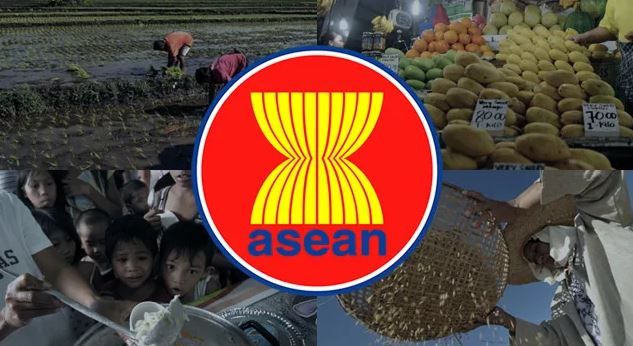
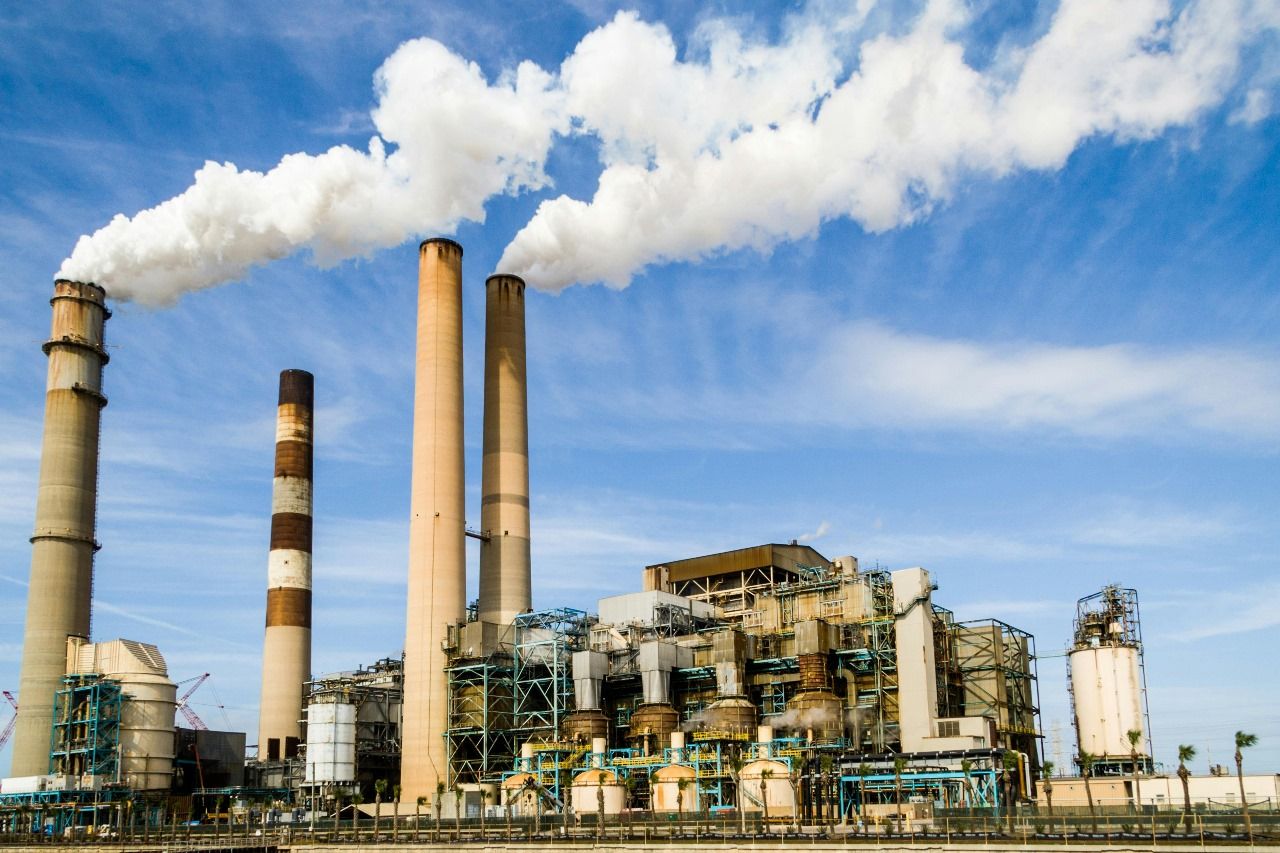
Food production costs in ASEAN are expected to rise because the Net-Zero target will increase energy and labor costs over the long term. (Photo: Rappler)
The Impact of Net-Zero on Energy and Labor Costs
The Oxford Economics report, published in cooperation with the Food Industry Asia and the ASEAN Food and Beverage Alliance (AFBA), emphasizes that Net-Zero policies will increase energy and labor costs - two core factors in food production.
To achieve the Net-Zero target by 2050, ASEAN countries will be compelled to apply stricter taxes and regulations on the use of fossil fuels - an area on which the region still relies significantly. This will lead to higher fuel bills, cold storage operating costs, and transportation costs. As a result, rising food prices will increase the cost of living, prompting workers to demand higher wages to offset the growing costs.
Vietnam and Indonesia: The Countries Most Strongly Affected
Indonesia is forecast to be the most affected country in the region, with food production costs potentially rising by nearly 59% by 2050 if no additional risk mitigation measures are applied. Vietnam ranks second, with an increase of nearly 52%, followed by Malaysia, Thailand, and the Philippines, with increases of 38.9%, 31.8%, and 30.8% respectively.
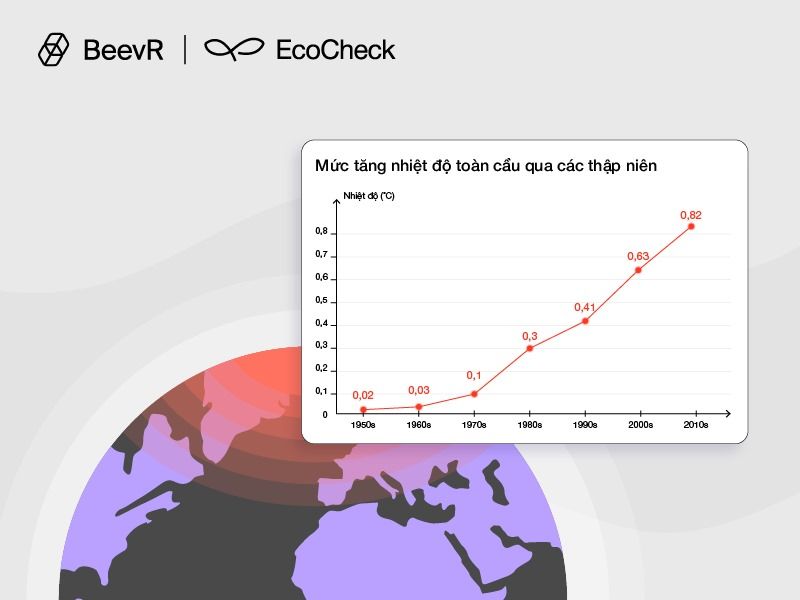
Beyond the impact of Net-Zero policies, the ASEAN region also faces challenges from climate change. The report states that if the average temperature rises by an additional 1°C, food prices in ASEAN's five major markets could increase by 0.96% to 2.17%.
The Philippines is the most vulnerable country in this scenario, with food prices expected to rise by as much as 2.17% for every additional 1°C of temperature increase, due to its frequent exposure to storms and harsh climatic conditions. Indonesia ranks second, with an expected increase of 2%, reflecting the heavy dependence of the country's agricultural system on favorable weather conditions.
Foreign Investment - The Key to Transforming the Food Production System
According to the report, foreign direct investment (FDI) plays a pivotal role in driving the transformation of the food production system in ASEAN. By partnering with international companies, local businesses not only gain access to advanced technology but also learn knowledge about smart, climate-resilient agriculture.
These partnerships not only help improve production efficiency and productivity but also enhance the competitiveness of ASEAN businesses in the global market. In addition, cooperation with foreign companies opens up opportunities to access large markets through international networks, creating conditions to diversify exports and boost revenue.
However, to optimize the benefits of FDI, ASEAN countries need to improve policies related to foreign ownership, ensure a fair and competitive environment, and maintain open trade mechanisms.
Support from Development Partners Is a Key Factor
The Oxford Economics report calls on development partners to play a supporting role in helping ASEAN mitigate risks during the transition to Net-Zero. Areas requiring investment include:
- Climate-resilient agriculture: Applying technological solutions to enhance resilience against climate change.
- Water management systems: Ensuring a stable water supply for agriculture and food production.
- Early warning systems: Helping countries respond more effectively to extreme weather events and natural disasters.
In addition, financial support and technical expertise from international partners are also essential to promote investment in renewable energy, contributing to reducing food production costs over the long term.
Global Economic Integration and Its Impact on ASEAN
The food production sector in ASEAN is becoming increasingly integrated with global production networks. According to the report, the region's share of global food imports rose from 6.6% in 2000 to 9.1% in 2021.
However, rising food prices in ASEAN are not only a regional issue but also create a ripple effect on the cost of living worldwide. The Oxford Economics report notes that controlling food prices in ASEAN could help reduce inflationary pressure not only for economies within the region but also for the entire world.
In this context, interventions to support the Net-Zero transition, combined with reducing food production costs, will not only ensure food security for ASEAN but also create a positive impact on the global economy.
Conclusion: Food production costs in ASEAN are facing major challenges amid the transition to Net-Zero. However, with the support of foreign investment, sound policies, and coordinated action among countries, the region can overcome these difficulties and move toward a more sustainable and secure production system in the future.