What is greenwashing? Real-world examples from major companies
Some typical examples of greenwashing:
How to report transparently? Standards and auditing
Applying international standards
Conducting audits and verifying data
Disclosing and being transparent with data
What mistakes should businesses avoid? Common errors
Automated reporting systems: Why should businesses use software?
Conclusion
What Is Greenwashing? Risks to Avoid When Reporting Emissions
Greenwashing is the practice of a business deliberately making its products or operations appear more environmentally friendly than they actually are. This is a major risk that can cause a business to lose its reputation, face penalties, or encounter difficulties accessing international markets. To avoid greenwashing, businesses need to be transparent in their emissions reporting, comply with international standards (GHG Protocol, ISO 14064), and use automation technology to ensure accuracy. This article provides a detailed analysis of greenwashing, how to report transparently, common mistakes, and the optimal solutions to help businesses control emissions effectively.

What is greenwashing? Real-world examples from major companies
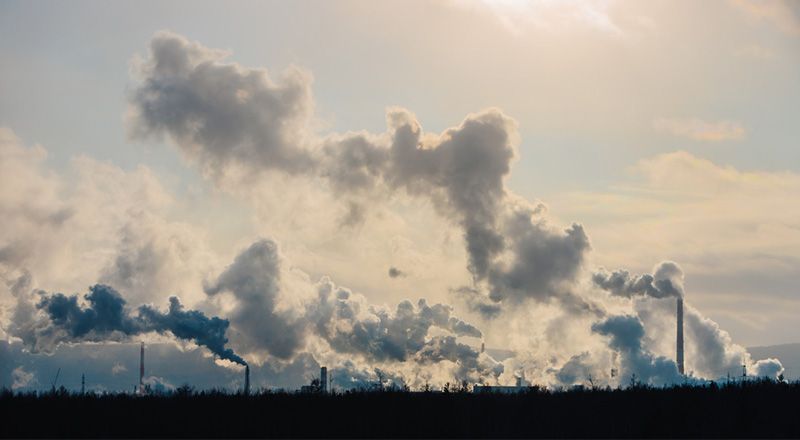
Greenwashing is the act of making a business's products or operations appear more environmentally friendly than they actually are. It is a misleading communication strategy that can cause a business to lose its reputation and face criticism.
Some typical examples of greenwashing:
- H&M: This fashion brand was once accused of promoting its "Conscious Collection" product line as sustainable, when in reality the environmental criteria were unclear.
- Volkswagen: In 2015, this automaker was found to have installed cheating software to conceal the true emissions of its diesel engines.
- Nestlé: The company once claimed to use "recyclable" packaging, but in reality, many types of plastic were not properly processed.

How to report transparently? Standards and auditing
Applying international standards
Businesses need to comply with emissions measurement and reporting standards:
- GHG Protocol: An international standard system that helps businesses measure and report greenhouse gas emissions.
- ISO 14064: An international standard for emissions inventory and verification.
- TCFD (Task Force on Climate-related Financial Disclosures): Recommendations on climate-related financial disclosures.
Conducting audits and verifying data
- Internal audit: Build an internal monitoring system to ensure data accuracy.
- Independent audit: Hire organizations such as SGS, DNV, or Bureau Veritas to verify data.
Disclosing and being transparent with data
- Fully report emissions from Scope 1, 2, 3.
- Provide specific calculation methods, avoiding vague terminology.
- Periodically update reports to align with new regulations.
What mistakes should businesses avoid? Common errors
Some common mistakes in emissions reporting can expose businesses to legal and reputational risks:
- Not reporting the full scope of emissions: Many businesses only report Scope 1 and 2 while ignoring Scope 3 - the indirect emissions from the supply chain.
- Using inaccurate or unverified data: Calculating emissions based on estimates rather than actual data can cause significant discrepancies.
- Deliberately obscuring information: Some businesses selectively disclose favorable data without being transparent about all the figures.
- Not keeping up with new regulations: Greenhouse gas laws are becoming increasingly strict, and businesses that fail to comply may be fined or lose business opportunities.
Automated reporting systems: Why should businesses use software?
Using automated emissions inventory software helps businesses minimize errors and enhance transparency in reporting.
Key benefits of emissions inventory software:
- Automatically collects and calculates data, reducing errors compared to manual methods.
- Standardizes according to international standards, helping businesses easily comply with the GHG Protocol and ISO 14064.
- Secures data, avoiding the risk of internal information leaks.
- Saves time and cost, easing the burden on the environmental management team.
One of the advanced technology solutions available today is EcoCheck, an automated emissions inventory software that helps businesses report more accurately and transparently. With its ability to collect data automatically, integrate international standards, and ensure high security, EcoCheck helps businesses comply with regulations easily and effectively. Businesses can use the software not only to avoid legal risks but also to enhance their reputation and create a competitive advantage in the market.
Conclusion
Greenwashing not only affects a business's image but can also lead to legal consequences. To avoid risks when reporting emissions, businesses need to be transparent, comply with international standards, and use automation technology to ensure accuracy. A reliable reporting system not only helps businesses reduce risks but also contributes to the goal of sustainable development.
Contact information: BeevR Technology Company Limited
Address: (Hanoi Office) 125 Hoang Ngan, Trung Kinh, Cau Giay, Hanoi
Hotline: 037.6869.366
Email: [email protected]
Website: https://ecocheck.ai/
Facebook group: https://www.facebook.com/groups/congdongkiemkekhinhakinhvietnam
Facebook fanpage: https://www.facebook.com/BeevRTechnologies