Challenges for Small Businesses on the Net-Zero Journey
Net-Zero Strategy for SMEs: Simple, Easy-to-Implement Steps
1. Assess current emissions
2. Optimize operational processes
3. Use renewable energy
4. Leverage technology to reduce emissions
Why Does Net-Zero Help SMEs Develop Sustainably?
Conclusion
Is Net-Zero a Major Barrier for SMEs?
Net-Zero is becoming an inevitable trend in the context of globalization, but for small and medium-sized enterprises (SMEs), this transition still poses many challenges. This article will help SMEs understand these difficulties while providing strategies and supporting technologies to achieve Net-Zero effectively without excessive costs.
Challenges for Small Businesses on the Net-Zero Journey
SMEs often face many difficulties when seeking to adopt an emissions reduction strategy, including:
- High costs: According to a McKinsey study (2022), investing in green technology can cost between 2-5% of a small business's annual revenue.
- Limited specialized personnel: A report from the World Economic Forum (2023) indicates that 60% of SMEs do not have a dedicated sustainable development team.
- Difficulty accessing technology: Many small businesses do not yet have sufficient information and tools to measure, inventory, and manage their emissions, leading to difficulties in implementing emissions reduction strategies.
Nevertheless, achieving Net-Zero is not impossible for SMEs, provided they take the right approach.
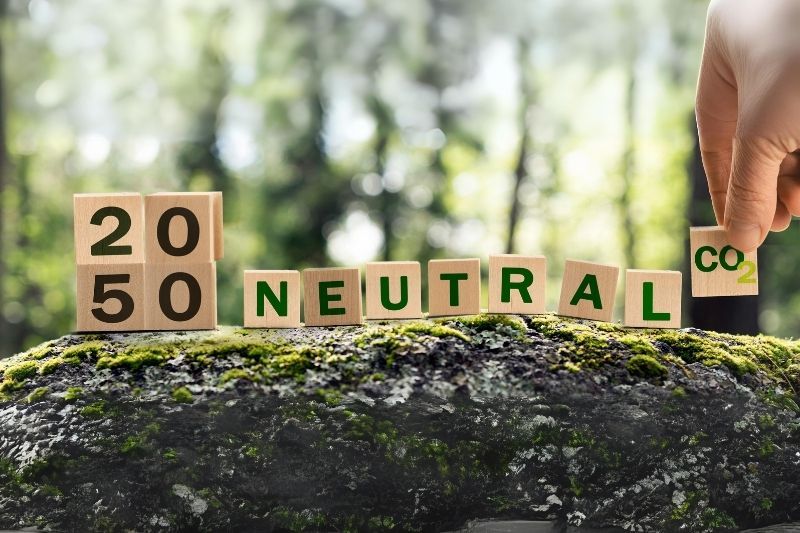
Net-Zero Strategy for SMEs: Simple, Easy-to-Implement Steps
To help small businesses reduce emissions effectively without excessive costs, SMEs can follow these steps:
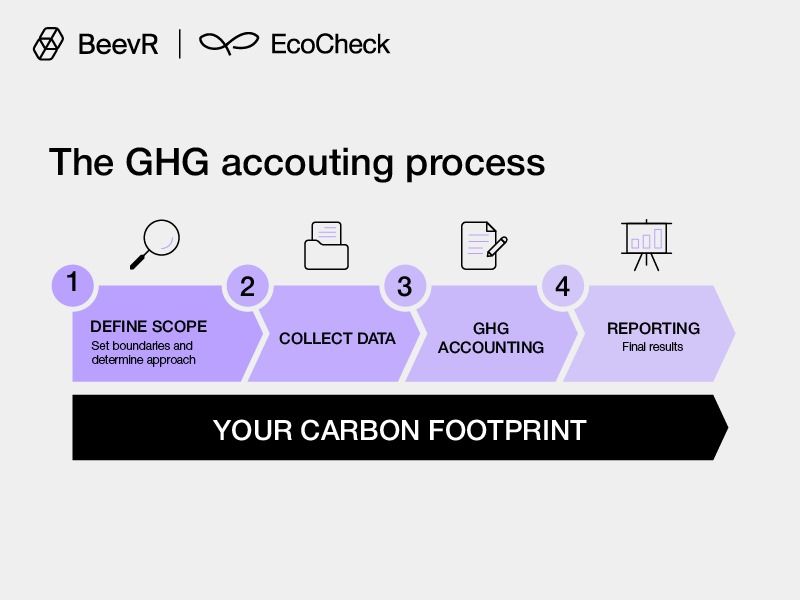
1. Assess current emissions
SMEs need to determine the amount of greenhouse gases emitted from their operations. Using GHG inventory tools such as EcoCheck can help businesses measure accurately without hiring expensive consultants. According to a Carbon Trust study (2023), businesses using GHG inventory software can reduce time and costs by up to 30% compared to manual methods.
2. Optimize operational processes
- Save energy: Switching to energy-efficient equipment and LED lighting and optimizing production processes can help reduce electricity consumption by 10-20% (IEA Report, 2023).
- Minimize waste: Making the most of raw materials, reducing waste, and optimizing warehouse management help businesses save costs and reduce emissions.
3. Use renewable energy
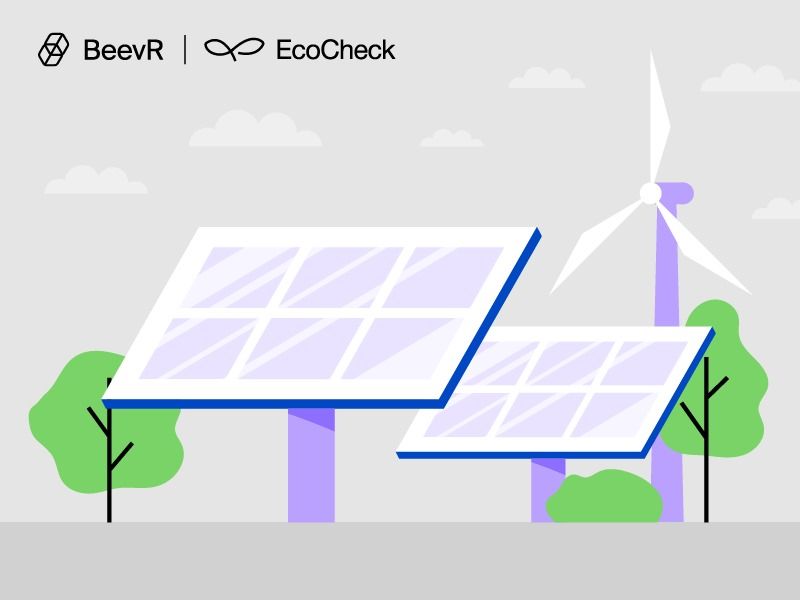
- Businesses can consider using solar energy or purchasing renewable electricity from green suppliers. According to BloombergNEF (2023), solar energy prices have fallen by more than 80% over the past 10 years, making it an attractive option for SMEs.
- Apply solutions such as insulation and optimizing HVAC systems to reduce energy consumption.
4. Leverage technology to reduce emissions
Technology plays an important role in helping SMEs achieve their Net-Zero goals. Businesses can leverage automated GHG inventory software, energy management, and ESG reporting to optimize processes easily and at low cost. According to a World Bank report (2024), SMEs that applied emissions management technology cut an average of 25% of their CO2 emissions in the first year.
Why Does Net-Zero Help SMEs Develop Sustainably?
Achieving Net-Zero not only helps businesses comply with environmental regulations but also brings many long-term benefits:
- Improved brand image: Customers and partners increasingly prefer to work with businesses that have a sustainability commitment. According to Nielsen (2023), 73% of consumers are willing to pay more for products from sustainable businesses.
- Optimized operating costs: Reducing energy and resource consumption helps businesses save costs significantly.
- Easier access to green capital: Many investment funds and financial institutions are prioritizing funding for sustainable businesses. According to HSBC (2023), businesses committed to Net-Zero are able to access preferential loans with interest rates 15% lower than businesses without a sustainability strategy.
Conclusion
The Net-Zero transition is not a barrier but rather an opportunity for SMEs to develop sustainably and enhance their competitiveness. Instead of viewing Net-Zero as a large expense, small businesses can approach it as a long-term investment that helps optimize operations, attract customers, and expand business opportunities. With the right strategy and support from technology, SMEs can fully achieve their Net-Zero goals effectively without spending too many resources.