What are ESG standards?
The 3 pillars businesses need to understand before transitioning to ESG standards
Environmental Impact Assessment (E in ESG)
Caring for Workers and the Community (S in ESG)
Improving Corporate Governance (G in ESG)
Benefits of applying ESG standards
What Is ESG? The 3 ESG Pillars Businesses Need to Understand
Activities focused on sustainable development are attracting increasing attention in Vietnam. However, the concept of ESG is still quite new to businesses, yet the three dimensions of ESG - environmental, social, and governance - are at the heart of sustainable investing. ESG is truly regarded as the key to long-term development across sectors.
What are ESG standards?
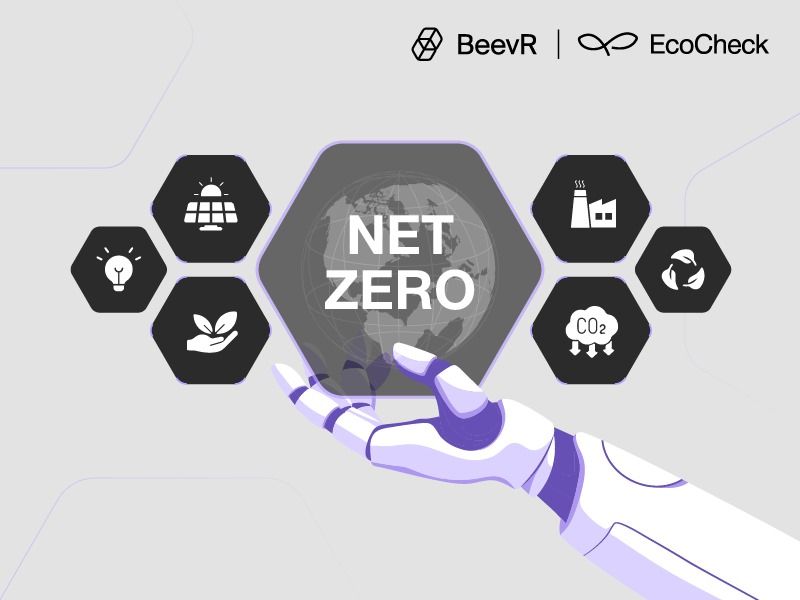
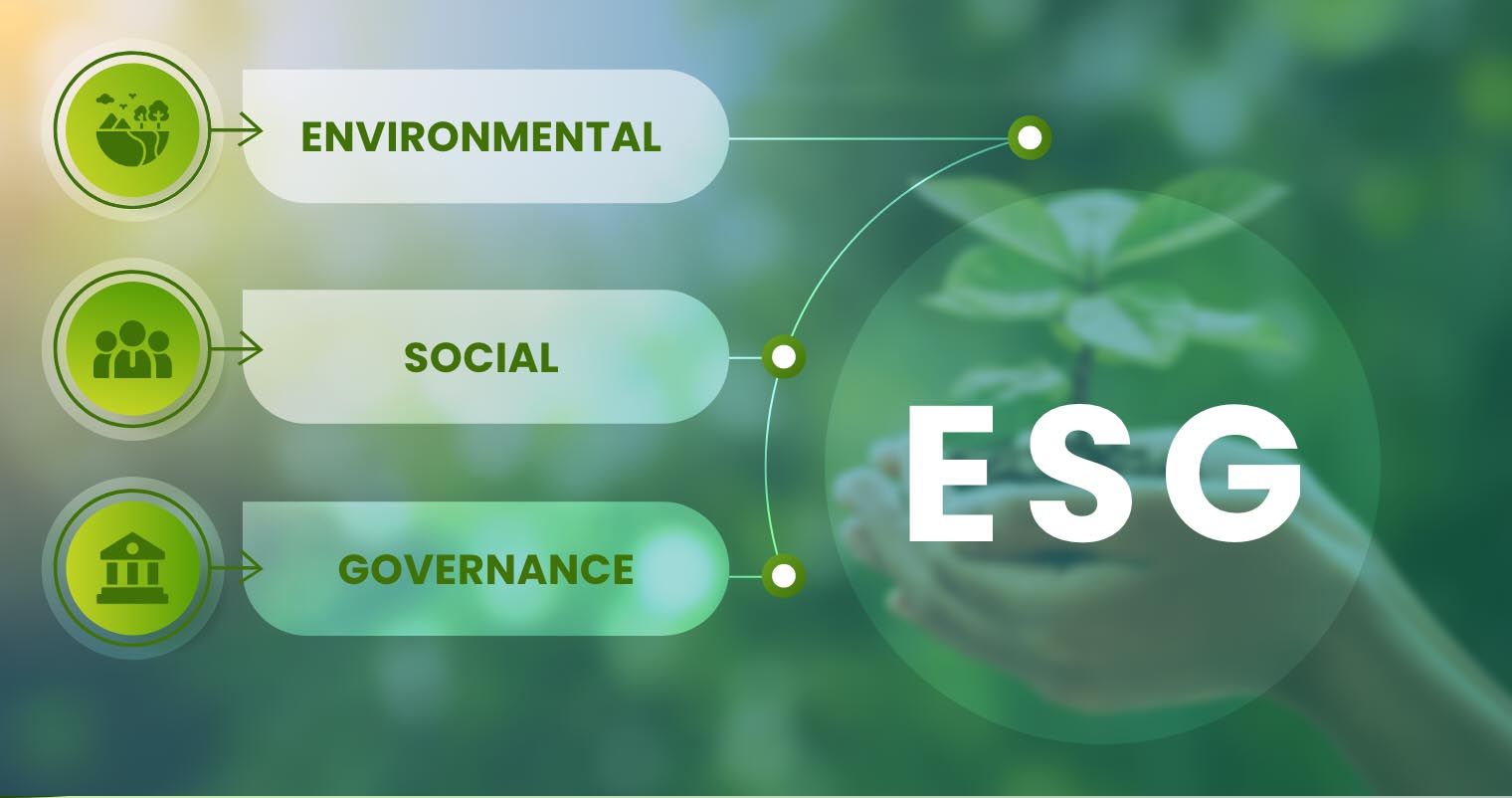
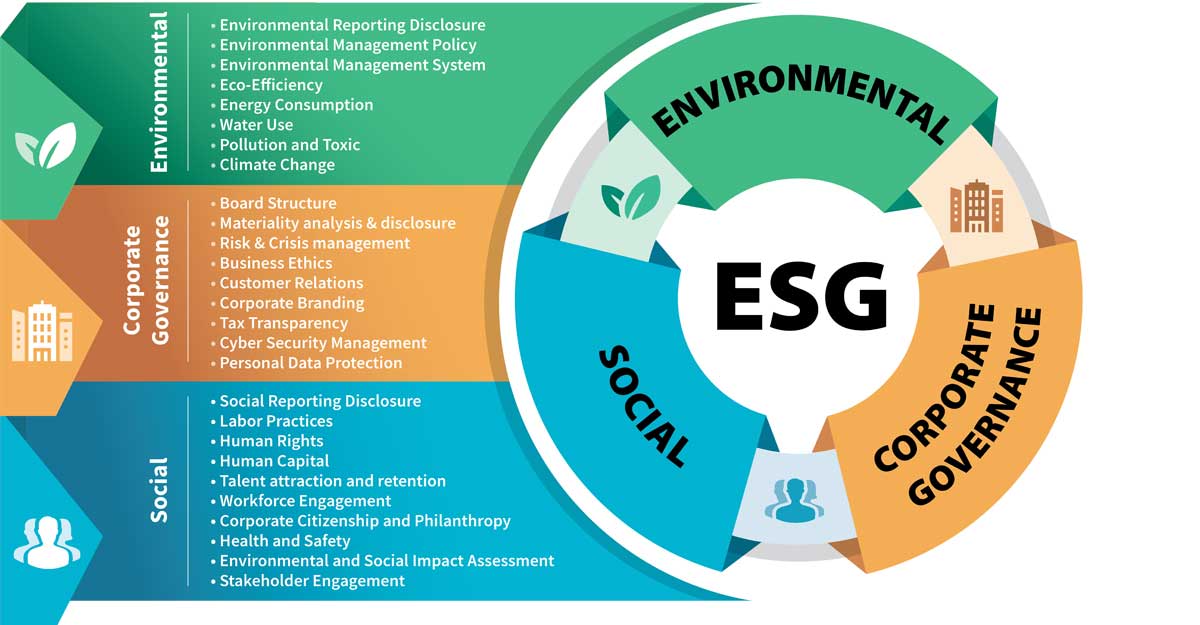
ESG (Environmental, Social, and Governance) is a set of standards that help assess a business's performance and responsibility toward the environment, society, and corporate governance. These are criteria used by investors, customers, and partners to measure a company's sustainability in the course of its operations. ESG not only helps businesses comply with regulations but also enables sustainable development, attracts investment, and enhances reputation.
- Environmental: Focuses on managing a business's environmental impact, including greenhouse gas emissions, energy consumption, and resource and waste management.
- Social: Relates to responsibility toward the community, such as ensuring safe working conditions, protecting workers' rights, and contributing to social activities.
- Governance (Corporate Governance): Refers to the way a business is managed, run, and supervised, including information transparency, anti-corruption, and the protection of shareholders' rights.
The 3 pillars businesses need to understand before transitioning to ESG standards
Environmental Impact Assessment (E in ESG)
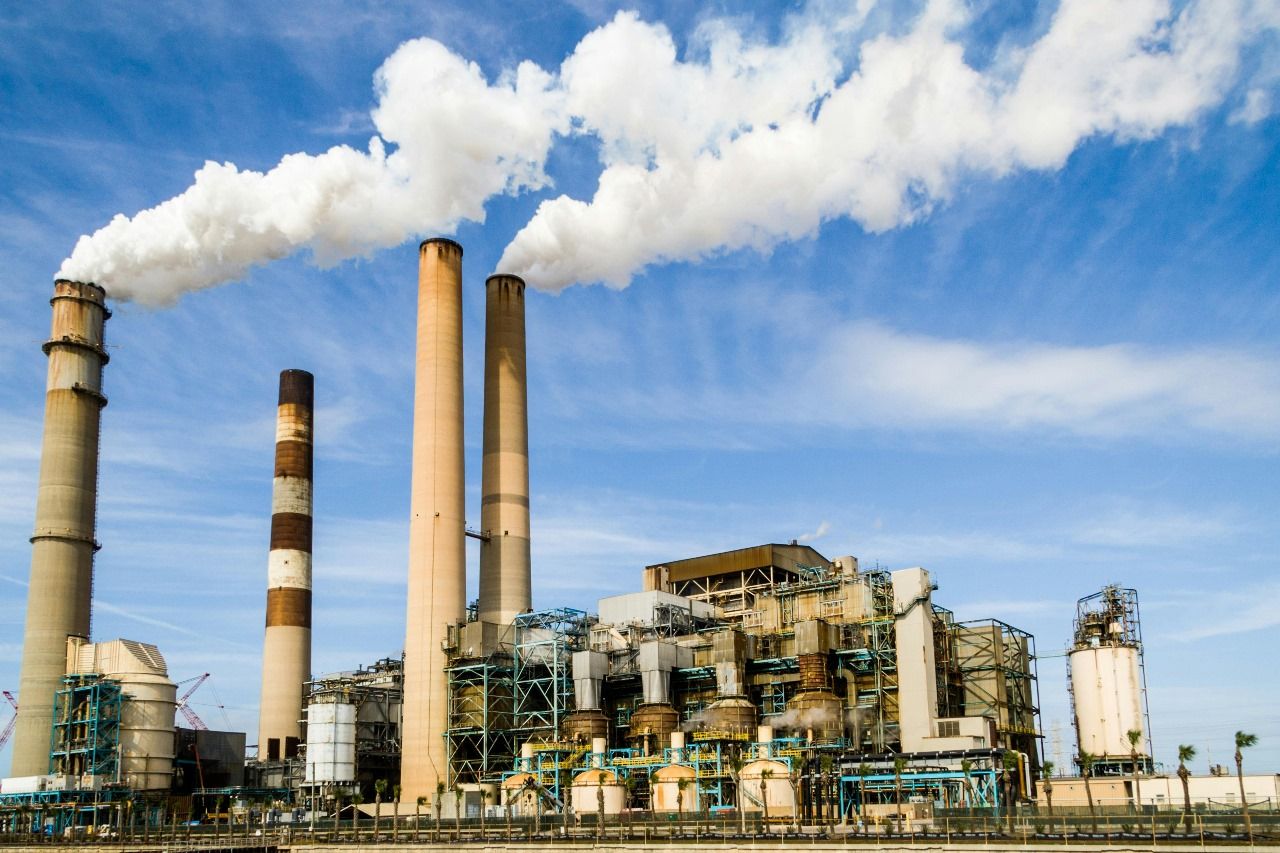
The environment is one of the key factors in ESG. Businesses need to begin by assessing activities that affect the environment, such as emission levels, energy consumption, the use of renewable materials, and waste management. To meet ESG standards, businesses need to develop plans to minimize their environmental impact, while optimizing production processes to reduce waste and enhance resource efficiency.
Climate change
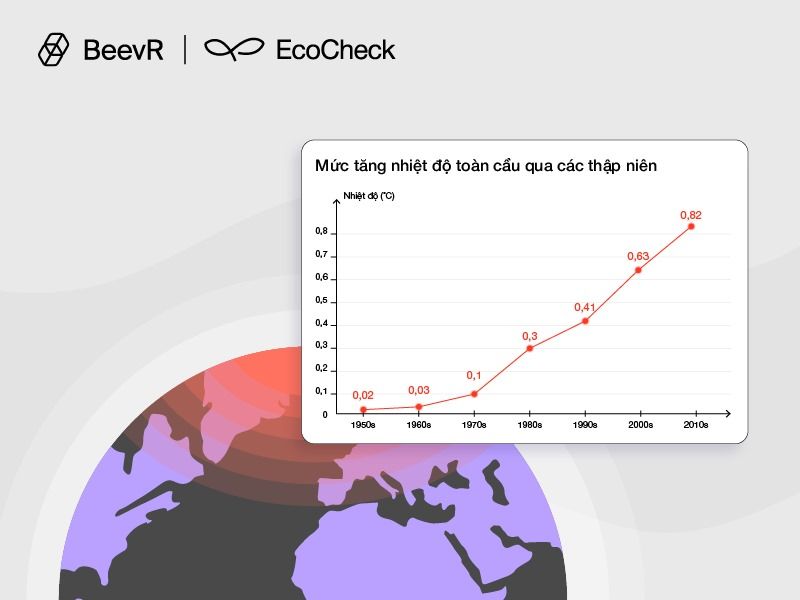
To carry out a green transition in line with ESG, businesses need to control the impact of their business activities on climate change, including greenhouse gas emissions and the use of energy and renewable resources, so as to respond promptly to the consequences of climate change.
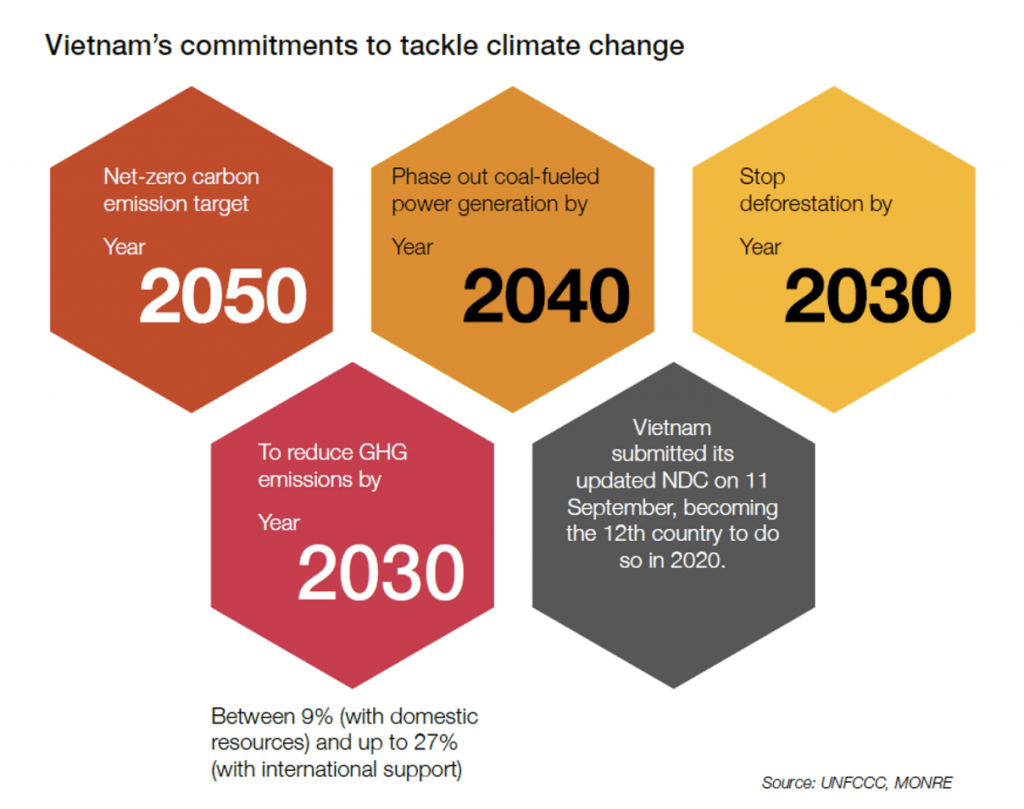
For Vietnam, at the 2021 United Nations Climate Change Conference (COP26), Prime Minister Pham Minh Chinh announced commitments on responding to climate change. Accordingly,
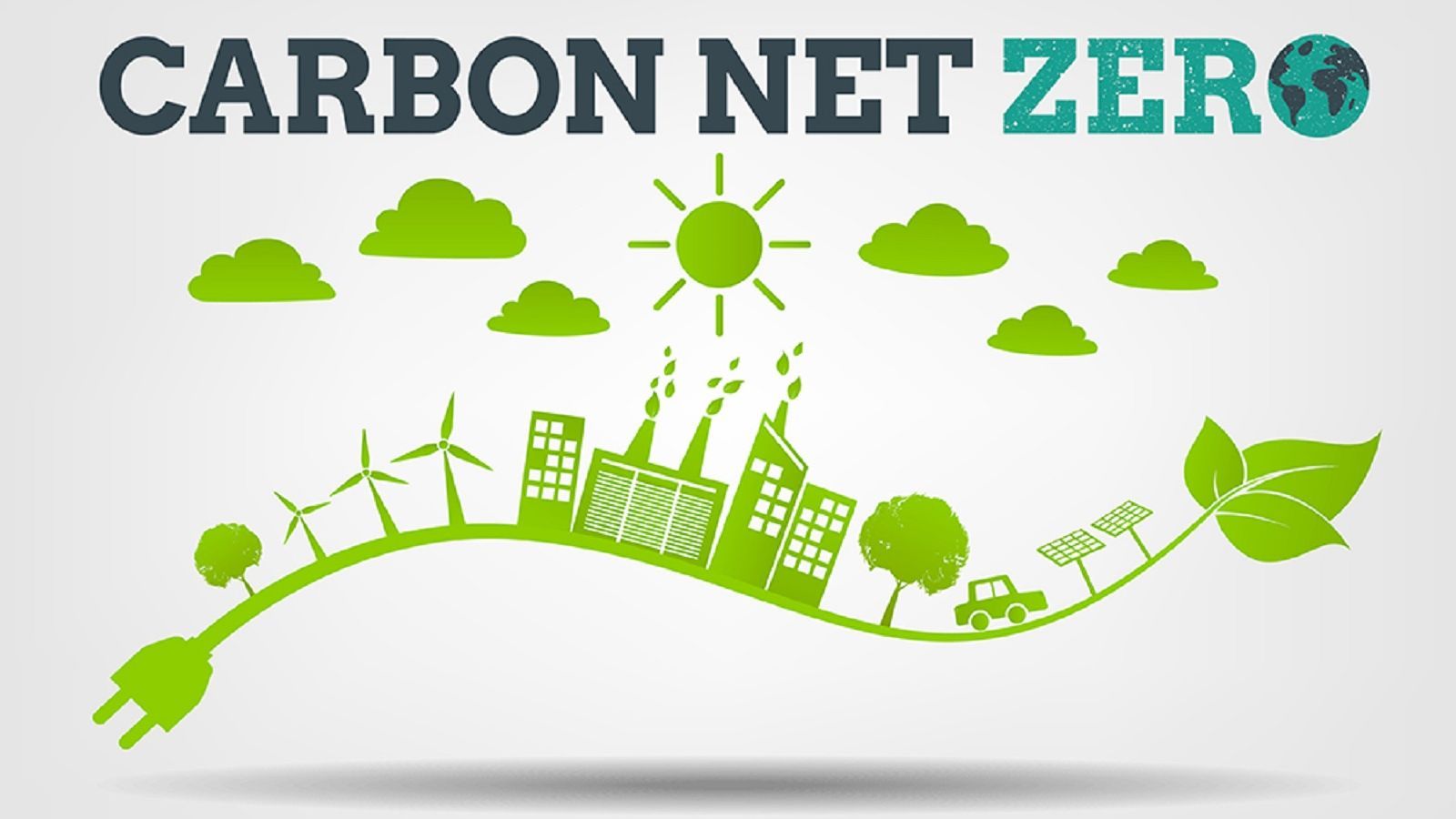
- Vietnam has set a target to reduce total national emissions by 43.5% by 2030, and to bring carbon emissions to zero by 2050.
- Reduce methane emissions by at least 30% by 2030 compared to 2020 levels.
Playing a pioneering role in creating ESG policies, the government will give Vietnamese businesses stronger motivation and a clearer basis in their efforts to achieve commitments related to ESG goals.
Energy
When implementing ESG, businesses need to ensure the efficient extraction and use of energy sources. In addition to optimizing the use of traditional energy sources, renewable energy such as solar power, natural wind, and so on is also encouraged for research and use. This will limit energy depletion, help the organization's operations run more smoothly without depending on limited sources, and thereby boost the production process.
Natural resources
Businesses must ensure they have adequate permits when using any natural resource (land, water, vegetation, minerals, air, etc.). In addition, many organizations also earn recognition (not only under ESG) when they proactively rehabilitate and help restore polluted areas.
Moreover, beyond focusing on reduction, some businesses in the era of Industry 4.0 are also stepping up research and deployment of new technologies that can generate resources without impacting or harming the environment.
Waste treatment and recycling
Under ESG standards, businesses need to compile a detailed inventory of the types and volume/quantity of hazardous waste. They then proceed to collect, classify, and store it for treatment at a safe location, ensuring no leakage or environmental pollution occurs. In accordance with legal regulations, businesses may transport it and deliver it to licensed intermediary treatment parties. The recycling and reuse of waste to minimize waste released into the environment and to optimize energy is also particularly encouraged.
>>>See also: The Circular Economy: A Solution for Sustainable Development
Caring for Workers and the Community (S in ESG)
Under ESG, social responsibility is the next factor businesses need to focus on. Ensuring good working conditions, protecting workers' health, and promoting gender equality are important criteria in ESG. In addition, businesses need to carry out activities that support the community, such as charity, education, and sustainable development. Attention to society not only helps improve a company's image but also attracts support from the community and partners.
Privacy and security
This is an important criterion among the ESG criteria; however, the laws and regulations in Vietnam are still quite new. Privacy law in Vietnam today is still applied based on the Civil Code, the Law on Cybersecurity, the Law on Information Technology, and so on.
Businesses need the owner's permission before collecting, using, or doing anything with their data. This applies especially to personal information, and there must be commitments as well as measures to secure information and protect data.
Diversity, equity, and security
Under the Labor Code, organizations are not permitted to discriminate against employees regardless of their gender, skin color, race, religion, social class, or any organization they belong to. Male and female employees must be treated fairly in every aspect: workload, promotion opportunities, salary, bonuses, and so on.
A safe working environment
The workplace must ensure occupational safety and the health of workers. ESG strictly prohibits cases of forced labor, mistreatment, exploitation, harassment, and so on. Businesses need to properly comply with regulations on working hours as well as the nature of labor permitted by the Labor Code.
Investing in the community
A business that engages in community investment activities will be seen as a responsible organization that cares about the development of society. This will help enhance the organization's image and standing in the eyes of potential customers, partners, and the community.
Improving Corporate Governance (G in ESG)
Businesses need to ensure a governance system that is transparent, effective, and free from corruption. This includes complying with legal regulations, maintaining financial transparency, and protecting the rights of shareholders. A good governance system not only helps a business operate effectively but also builds trust with investors and partners, thereby increasing opportunities for long-term development.
Disclosure of ESG reports
Vietnamese law requires businesses implementing ESG to disclose information and annual performance results, such as resource extraction and consumption, labor policies, financial reports, community contributions, and so on. This report must be submitted publicly to the State Securities Commission of Vietnam and the Stock Exchange.
Anti-bribery and anti-corruption
This is a factor of great concern in governance, and will be assessed under the Law on Anti-Bribery & Corruption - Vietnam's Criminal Code.
Diversity and inclusion of the board of directors
This ESG criterion assesses the diversity in the backgrounds of board members in terms of gender and profile. Under Vietnamese law, in certain cases it is even mandatory to have an independent board of directors; for example, one-fifth of the board members of an unlisted public company must be independent.
Benefits of applying ESG standards
Transitioning to ESG standards not only helps businesses comply with regulations and minimize risks but also opens up many new opportunities. With consumers and investors increasingly prioritizing companies that are responsible toward the environment and society, ESG helps businesses enhance their competitiveness and attract investment. Furthermore, ESG supports businesses in building brand reputation, while also preparing for the future with sustainable development policies and the minimization of negative environmental impacts.
ESG is not just a trend, but an important factor that helps businesses develop sustainably. To succeed in the transition, businesses need to clearly understand what ESG standards are and focus on the three main pillars: environmental impact, social responsibility, and transparent governance. This not only helps businesses meet market requirements but also creates a solid foundation for long-term development.
>>> See also: ESG Reporting Services