Why the Energy Sector Must Conduct a GHG Inventory
List of Facilities Required to Conduct a GHG Inventory in the Energy Industry
The GHG Inventory Process in the Energy Sector
1. Determine the Inventory Method
2. Identify Emission Sources
3. Collect Data
4. Calculate Emissions
5. Assess Uncertainty
6. Identify Opportunities for Energy Savings and Emission Reduction
7. Prepare the GHG Inventory Report
Benefits of the GHG Inventory for Businesses
Choosing a reputable, high-quality GHG inventory service
GHG Inventory in the Energy Sector: Categories and Process
Under Decision 01/2022/QD-TTg, energy is one of the leading sectors required to conduct a greenhouse gas (GHG) inventory. The inventory not only provides emission-management benefits but also makes an important contribution to sustainable development goals. The article below provides an overview and a detailed guide to the GHG inventory process for the energy sector.
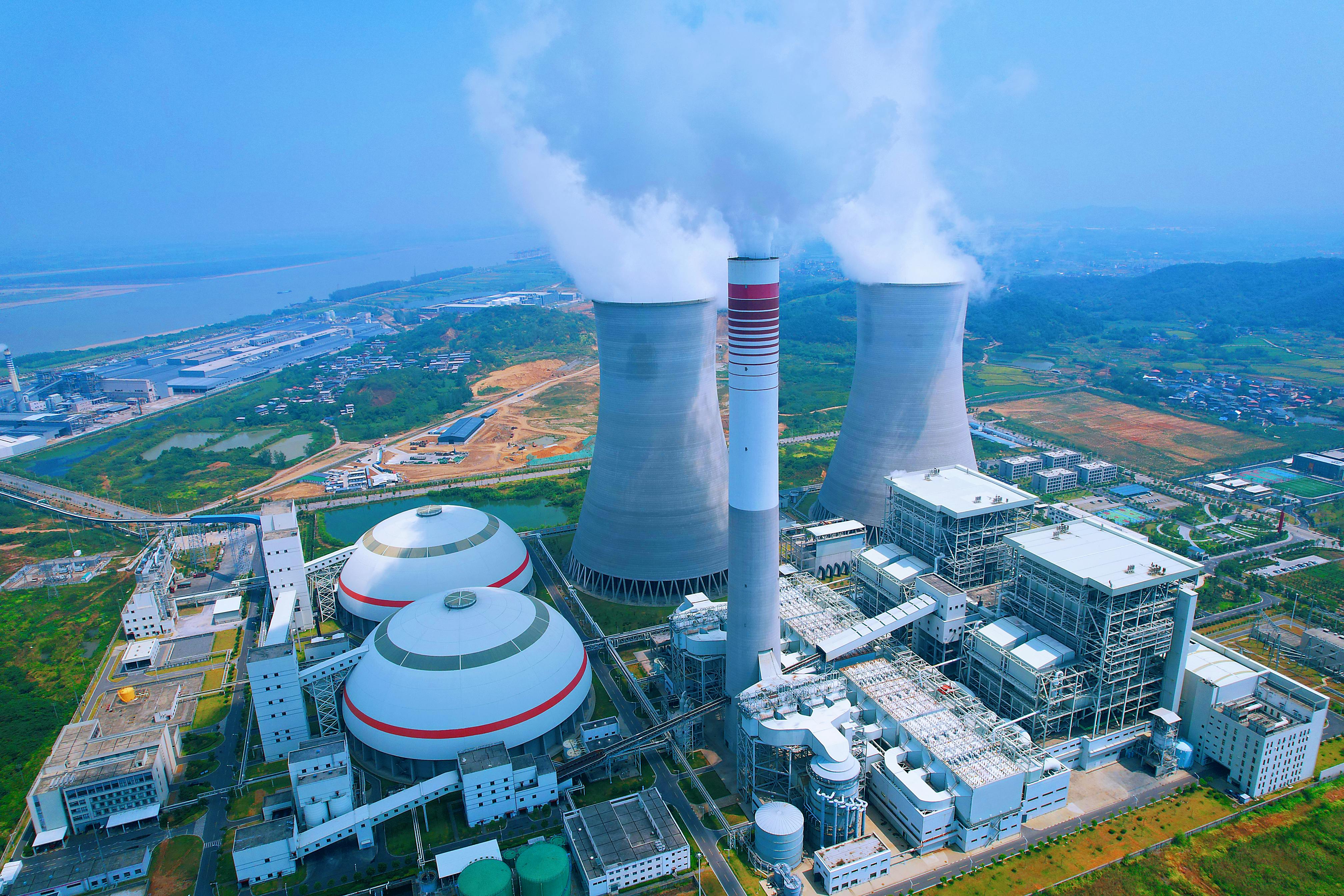
GHG inventory in the energy sector
Why the Energy Sector Must Conduct a GHG Inventory
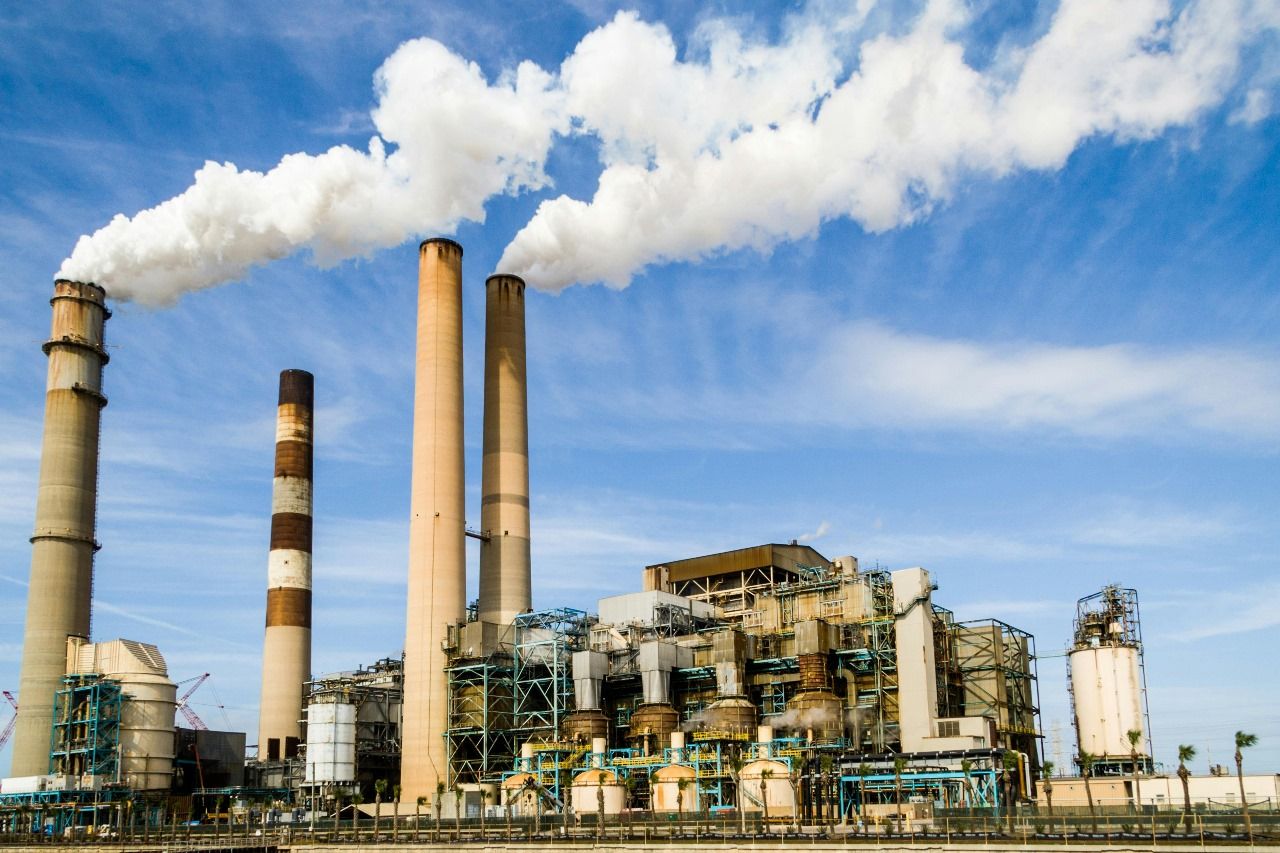
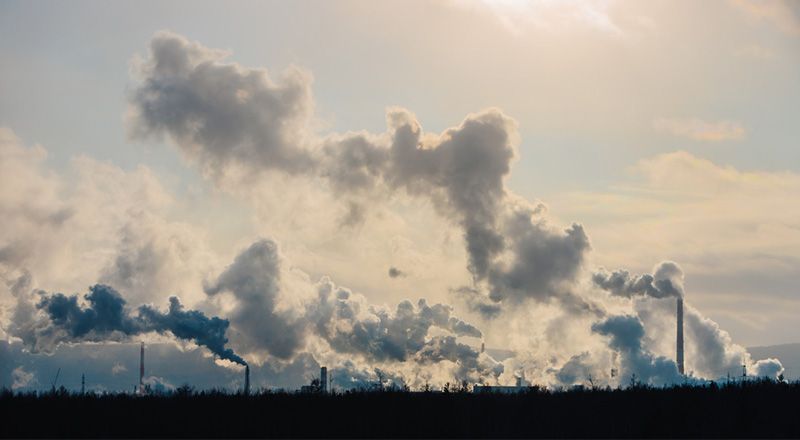
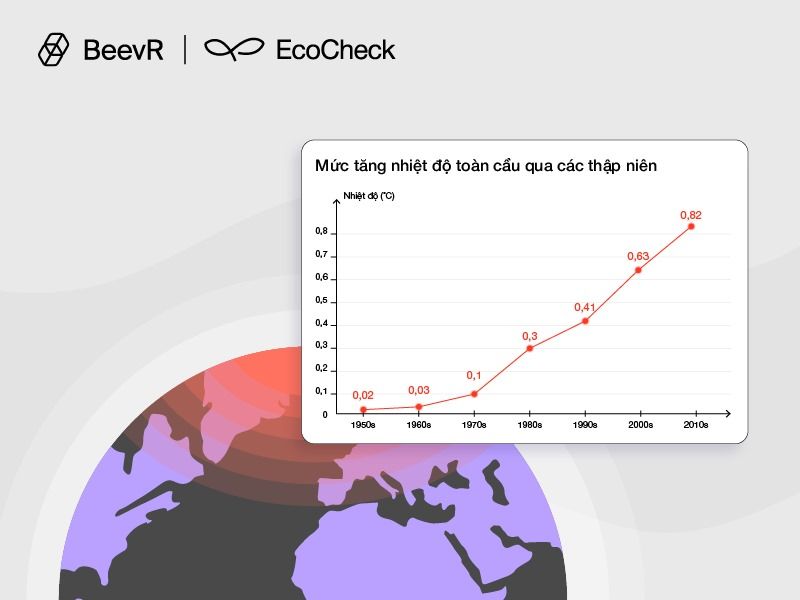
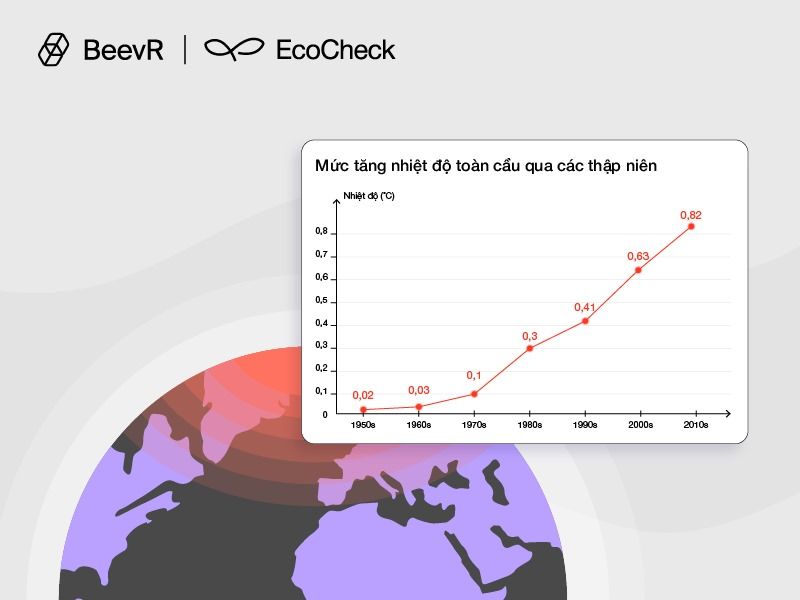
Reducing GHG emissions is now one of the top global priorities to protect the climate and keep the global temperature increase below 2°C compared to pre-industrial levels. According to 2013 statistics, the energy sector in Vietnam emitted approximately 151.4 million tonnes of CO₂ equivalent, accounting for 51.6% of total national emissions. This confirms that the energy sector is the largest source of emissions but also holds considerable potential for emission reduction.
It is projected that by 2030, with the application of appropriate measures, the energy sector could reduce emissions by up to 8.4% compared to the business-as-usual (BAU) scenario. Therefore, conducting an emissions inventory not only helps businesses assess their environmental impact but also creates opportunities to optimize costs and enhance competitiveness.
List of Facilities Required to Conduct a GHG Inventory in the Energy Industry
Pursuant to Decree 06/2022/ND-CP, the Prime Minister issued Decision 01/2022/QD-TTg, identifying the list of GHG-emitting facilities required to conduct an inventory. This is the first time Vietnam has had a detailed list to manage and monitor greenhouse gas emissions on a national scale.
The lists are divided by sector, specifically:
- List of sectors required to conduct a GHG inventory (Appendix I).
- List of facilities under the Industry and Trade sector (Appendix II).
- List of facilities under the Transportation sector (Appendix III).
- List of facilities under the Construction sector (Appendix IV).
- List of facilities under the Natural Resources and Environment sector (Appendix V).
According to the regulations, this list will be updated periodically every two years, based on reports from ministries, sectors, and provincial People's Committees. Facilities not on the list are encouraged to conduct inventories voluntarily to improve efficiency and reduce emissions in their production and business activities.
The inventory is not only mandatory for facilities on the list but also opens up opportunities for units to proactively reduce emissions and meet the requirements of international partners.
The GHG Inventory Process in the Energy Sector
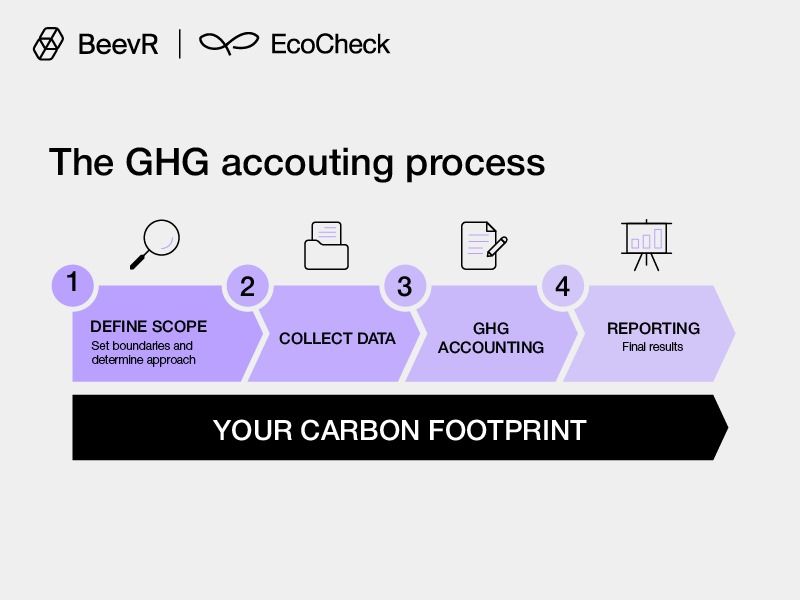
A greenhouse gas inventory is a complex but important process for measuring, managing, and reducing emissions. Below are the basic steps for conducting a GHG inventory for facilities in the energy sector:
1. Determine the Inventory Method
Businesses must comply with legal guidelines and international technical standards, including:
- Law on Environmental Protection 2020 (No. 72/2020/QH14).
- Decree 06/2022/ND-CP: Regulations on mitigating GHG emissions and protecting the ozone layer.
- Decision 01/2022/QD-TTg: Issuing the list of facilities required to conduct a GHG inventory.
- ISO 14064-1:2011: Standard for quantifying and reporting emissions.
The inventory method must be designed to suit the specific production and operating characteristics of the facility to ensure accuracy and transparency.
2. Identify Emission Sources
The main emission sources in the energy sector typically include:
- Emissions from fuel combustion:
- In electricity generation, petroleum refining, and processing industries.
- In transportation (road, waterway, rail, aviation).
- In other sectors such as residential and commercial.
- Emissions from fossil fuel extraction:
- Coal mining.
- Oil and natural gas extraction.
Accurately identifying emission sources is an important step in establishing the boundaries and scope of the inventory.
3. Collect Data
Data is the foundation for an accurate greenhouse gas inventory. This process includes:
- Activity data: Recording information such as fuel consumption (gasoline, diesel, natural gas, LPG, electricity), energy output produced, and related indicators.
- Emission factors: Based on documents published by Vietnam or internationally:
- Tier 1: Using default emission factors from the IPCC (Intergovernmental Panel on Climate Change).
- Tier 2: Applying country-specific emission factors suited to Vietnam's conditions.
Complete and accurate data collection helps businesses ensure reliability in the subsequent steps of the inventory process.
4. Calculate Emissions
Based on the data collected, businesses calculate the total greenhouse gas emissions from the identified sources. This process follows standard inventory methods, using forms for:
- Activity data.
- Emission factors.
- The corresponding global warming potential (GWP) for each type of gas.
The results serve as the basis for assessing the facility's emission levels and comparing them against emission targets or standards.
5. Assess Uncertainty
In the greenhouse gas inventory process, assessing uncertainty is an important step to ensure reliable results. This assessment includes:
- Determining the uncertainty of activity data, emission factors, and calculation results.
- Compiling an uncertainty table in accordance with guidance from IPCC 2006 and ISO 14064:2018, in order to measure the margin of error and improve the process.
This assessment helps businesses better understand the factors affecting the inventory results, providing a basis for optimizing the measurement and emission-management process.
6. Identify Opportunities for Energy Savings and Emission Reduction
After determining emission levels, businesses can propose and implement mitigation measures, including:
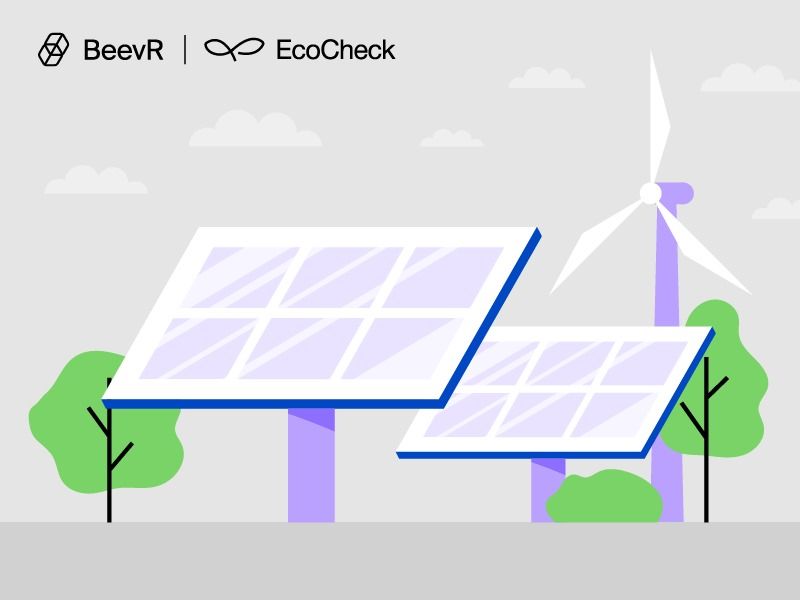
- Adopting renewable energy: Installing rooftop solar power systems or self-consumption wind power, reducing dependence on fossil fuels.
- Improving energy efficiency (EE): Optimizing lighting systems, air compressors, or upgrading cooling systems to reduce energy consumption.
- Switching fuels: Using lower-emission fuels that comply with environmental standards.
These measures not only help reduce emissions but also save operating costs and enhance the company's image in the eyes of international partners.
7. Prepare the GHG Inventory Report
After completing the steps of data collection, calculation, and assessment, businesses must prepare a greenhouse gas inventory report in accordance with regulations. The report must be:
- Presented clearly and transparently with complete information on emission sources, calculation methods, and inventory results.
- Compliant with Form No. 06, Appendix II of Decree 06/2022/ND-CP, ensuring alignment with national and international standards.
The inventory report is not only a legal document but also a basis for businesses to establish a long-term emission-reduction strategy, while meeting the requirements of international partners and markets.
Benefits of the GHG Inventory for Businesses
A GHG inventory is not only a legal compliance obligation but also brings many significant benefits:
- Optimizing costs: Minimizing energy waste and optimizing production processes.
- Meeting partner requirements: Building trust with international partners and creating a competitive advantage.
- Moving toward sustainable development: Contributing to environmental protection and building the image of a socially responsible business.
With methodical inventory steps and the support of modern technology tools, businesses can proactively manage emissions, meet new standards, and work toward long-term sustainable development goals.
A greenhouse gas inventory is not only a responsibility but also an opportunity for businesses to transform powerfully in the green era.
Choosing a reputable, high-quality GHG inventory service
There are currently many reputable providers of greenhouse gas inventory services for the energy industry on the market. These include providers offering on-demand services, all-inclusive services, and consulting services.
To ensure that their greenhouse gas inventory is carried out accurately and on schedule, businesses should research and review information about the services offered, making sure that providers have adequate credentials, experience, and experts to deliver quality service.
With the growing demand for greenhouse gas inventory in the energy industry in 2025, EcoCheck has established itself as a specialized technology platform for greenhouse gas inventory trusted by many businesses.
With EcoCheck, customers receive support from industry experts and enjoy an all-inclusive greenhouse gas inventory service:
Assessing the company's entire greenhouse gas emissions.
Identifying the main emission sources.
Building processes for collecting, processing, and storing data from internal sources and suppliers.
Guidance on selecting a base year.
Guidance on calculating greenhouse gas emissions.
Developing technical plans and emission-reduction solutions.
Building a long-term emission-reduction plan -> an advantage in accessing government incentives and support policies.
Step-by-step training so staff clearly understand how to collect, measure, calculate, and prepare reports.
Timely support so businesses face no difficulties when carrying out the inventory steps.
Building an automated process for easy periodic reporting.
Self-sufficiency in conducting the inventory, without depending on a third party once the process is mastered.
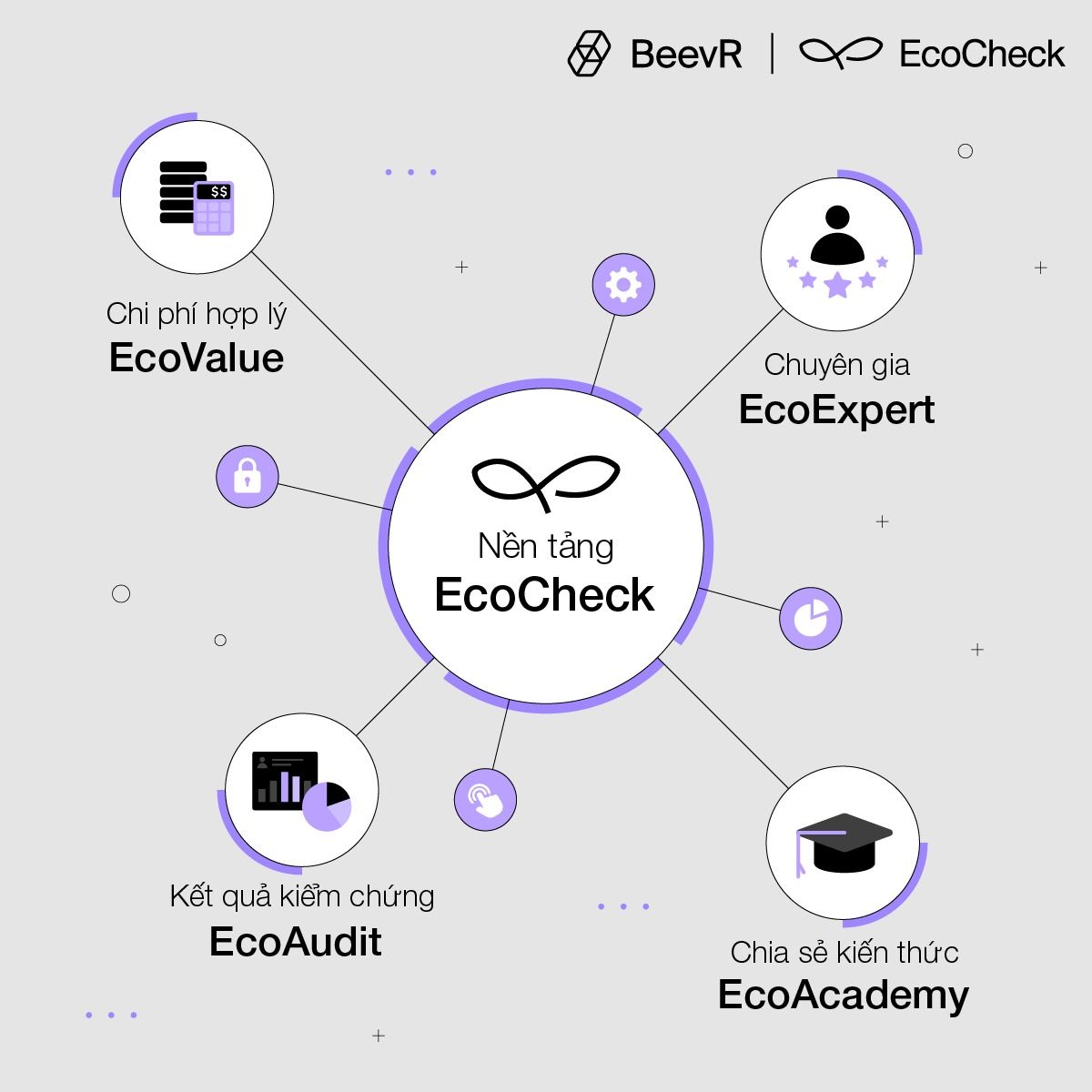
Greenhouse gas inventory platform.
Why do you need EcoCheck's team of experts to advise you?
Ensuring that the inventory report meets the required quality standards before submission to the authorities.
Minimizing unnecessary procedures and applying suitable technology and software to optimize costs and time for subsequent reporting periods.
Effectively meeting inspection or monitoring requirements from regulatory agencies.
Saving operating costs and minimizing future legal risks.
Contact EcoCheck for consultation and to start conducting a greenhouse gas inventory for your business today!
CONTACT INFORMATION:
BeevR Technology Co., Ltd
Address:
Hanoi Office: 125 Hoang Ngan, Trung Kinh, Cau Giay, Hanoi
Hotline: 037.6869.366
Email: [email protected]
Website: https://ecocheck.ai/