1. What Is an Industrial Emissions Inventory?
2. Entities Required to Carry Out an Industrial Emissions Inventory
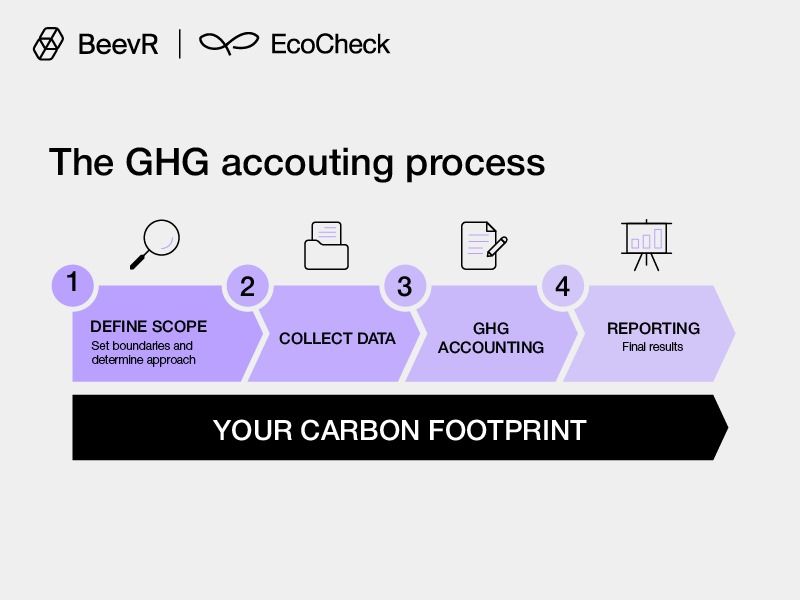
3. Steps to Carry Out an Industrial Emissions Inventory
3.1. Define the Inventory Scope
3.2. Collect Data
3.3. Calculate Emissions
3.4. Assess Air Quality
4. Benefits of an Industrial Emissions Inventory
5. Conclusion
ECOCHECK CONTACT INFORMATION
Industrial Emissions Inventory: Definition, Entities and Process
Amid climate change and environmental pollution becoming global concerns, controlling and managing industrial emissions has become more urgent than ever. An industrial emissions inventory is not only a legal requirement but also a solution that helps businesses move toward sustainable development. So what is an industrial emissions inventory? Who is required to carry one out, and what does the process involve? Let's explore this with EcoCheck in this article.
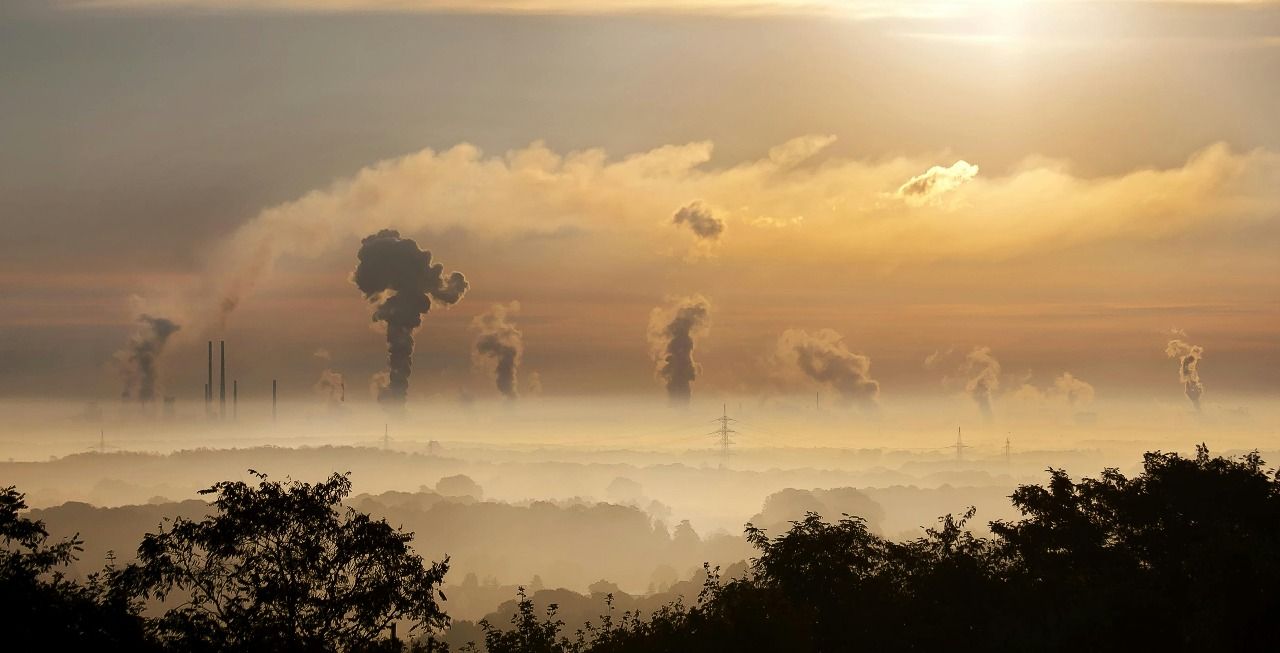
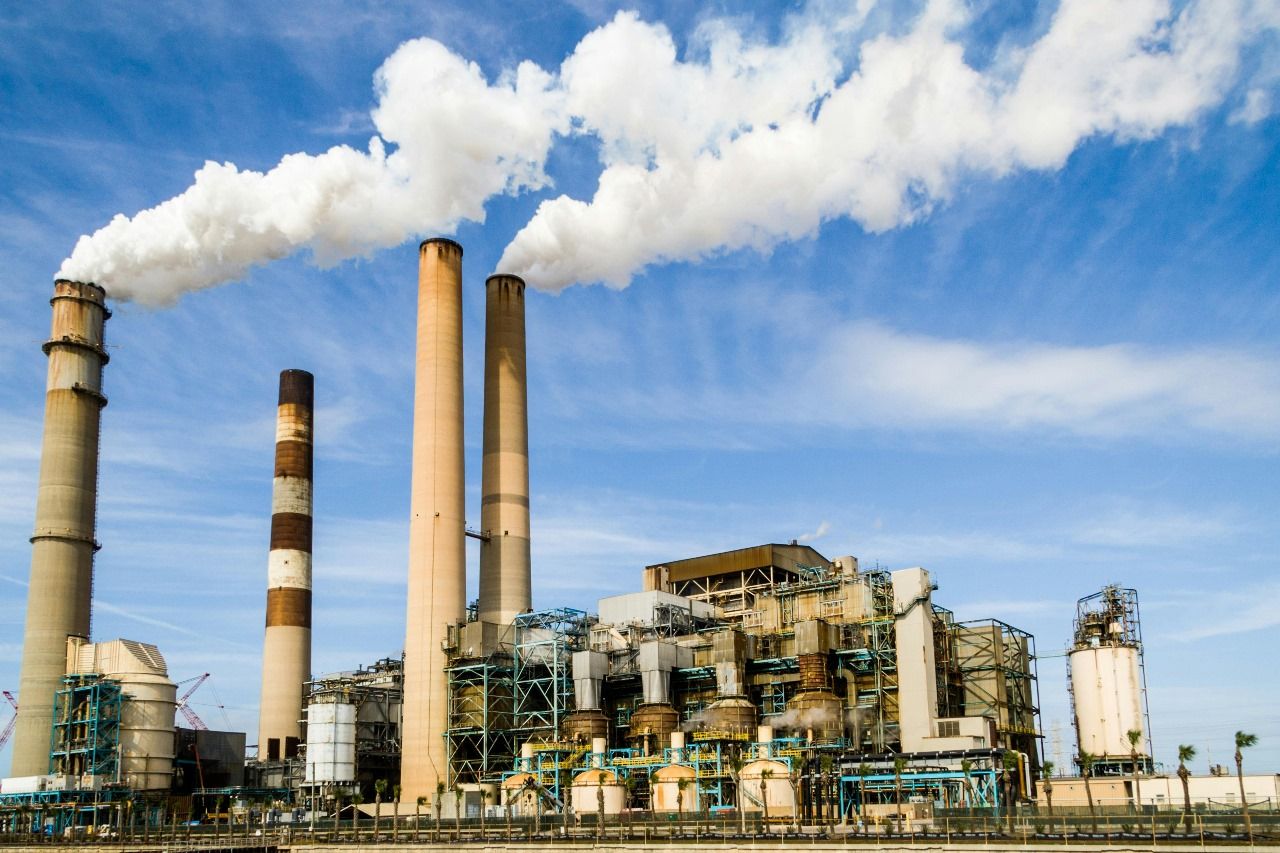
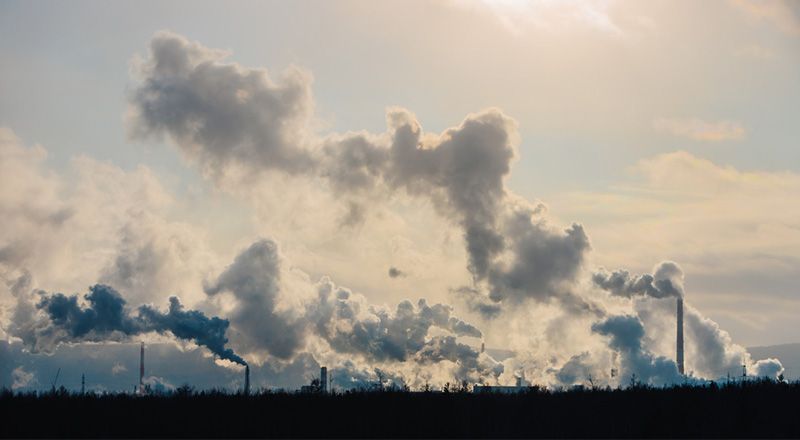
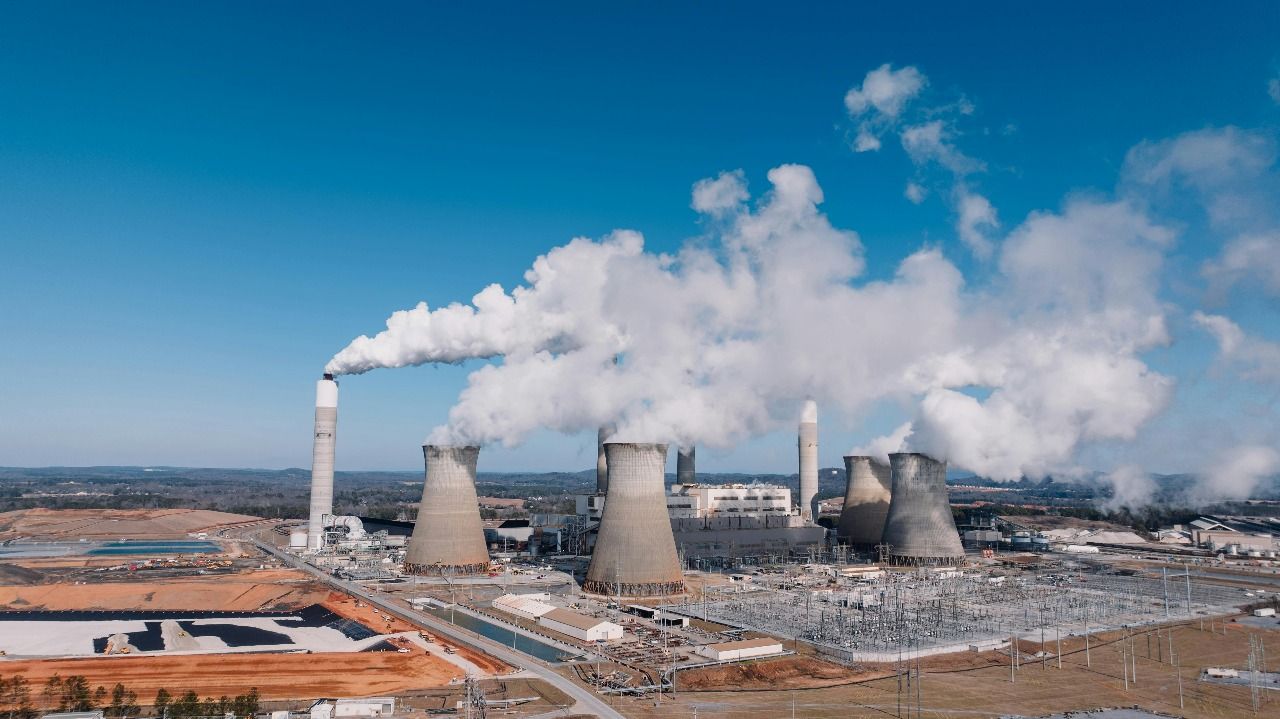
Controlling and managing industrial emissions has become more urgent than ever
1. What Is an Industrial Emissions Inventory?
An industrial emissions inventory is the process of collecting, analyzing, and evaluating the emissions generated by industrial production activities. This process involves accurately identifying the types of emissions, their concentration, volume, and impact on the environment. Through an inventory, businesses can:
- Comply with environmental laws and regulations.
- Assess production efficiency and resource use.
- Develop plans to improve technology and reduce pollution.
- Work toward the goals of sustainable development and social responsibility.
An emissions inventory is not only an environmental management tool but also a foundation for businesses to enhance their competitiveness as environmental standards become increasingly stringent.
2. Entities Required to Carry Out an Industrial Emissions Inventory
Under the law and international standards, the following entities are required to carry out an industrial emissions inventory:
- Heavy industries: Steel production (over 200,000 tonnes/year), cement, chemicals, chemical fertilizers (over 10,000 tonnes/year), and petroleum (over 10,000 tonnes/year).
- Thermal power plants: All facilities generating electricity from fossil fuels, except those using natural gas.
- Industrial boilers: Facilities with a capacity of over 20 tonnes of steam/hour.
- Other industries: Paper production, textiles, food processing, and other sectors with large-scale emissions.
Identifying the entities subject to inventory helps concentrate resources on the sectors with the greatest environmental impact, enabling effective control measures.
3. Steps to Carry Out an Industrial Emissions Inventory
The industrial emissions inventory process is carried out through the following steps:
3.1. Define the Inventory Scope
- Identify the industries requiring an inventory, including: thermal power, steel production, cement, chemicals, fertilizers, and other high-emission sectors.
- Determine the inventory parameters appropriate to each industry, such as: dust, SO2, CO, NOx, HCl, dioxins, and furans.
3.2. Collect Data
- Use investigation methods and direct surveys at production facilities.
- Collect information on production activities, technological processes, and emission sources.
- Measure emissions at chimneys and other emission points.
3.3. Calculate Emissions
- Apply the formulas and calculation methods prescribed by the competent authorities.
- Evaluate the total emissions generated from the various sources.
3.4. Assess Air Quality
- Compare the inventory results against the prevailing air quality standards.
- Determine the level of pollution and propose mitigation measures.
4. Benefits of an Industrial Emissions Inventory
An industrial emissions inventory delivers comprehensive benefits for businesses and society:
- Legal compliance: Avoiding legal risks and administrative penalties.
- Cost savings: Reducing resource waste and improving production efficiency.
- Enhanced corporate image: Building trust with customers, partners, and the community.
- Environmental protection: Minimizing negative impacts on the environment and human health.
- Enhanced competitiveness: Meeting international environmental standards and expanding business opportunities.
5. Conclusion
An industrial emissions inventory is an important tool that helps businesses manage and reduce their environmental impact. This process not only meets legal requirements but also delivers long-term economic and social benefits. By carrying out an emissions inventory accurately and thoroughly, businesses can make a positive contribution to environmental protection and sustainable development.
If your business needs advice or support on industrial emissions inventory, contact EcoCheck now for the best assistance.
ECOCHECK CONTACT INFORMATION
BeevR Technology Co., Ltd
- Hanoi Office: 125 Hoang Ngan, Trung Kinh, Cau Giay, Hanoi
- Hotline: 037.6869.366
- Email: [email protected]
- Website: https://ecocheck.ai/