What is a GHG inventory?
Why do businesses need to conduct a GHG inventory?
What is ISO 14064-1?
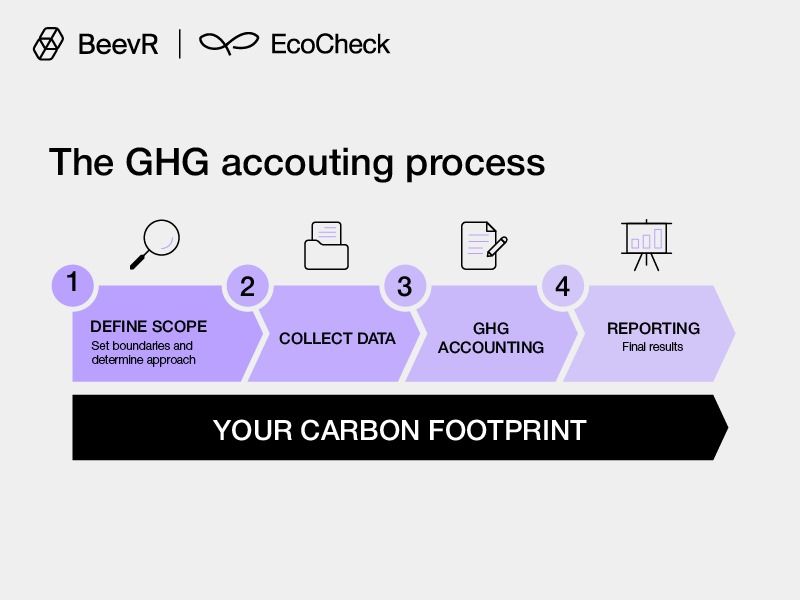
Steps to conduct a GHG inventory according to ISO 14064-1
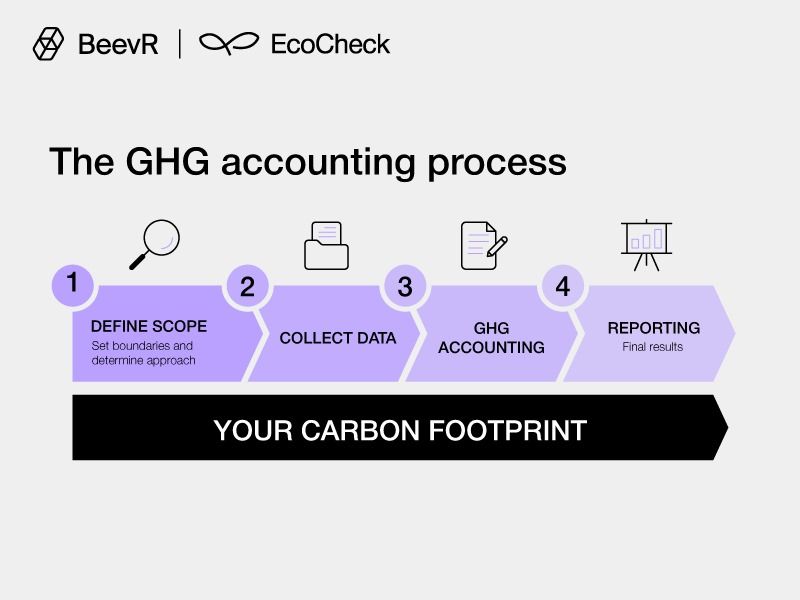
1. Identify the organizational boundary and emission scope
2. Collect emission data
3. Calculate GHG emissions
4. Prepare the inventory report
5. Independent verification
The benefits of applying ISO 14064-1
A guide for businesses to conduct GHG inventory per ISO 14064-1
As businesses strive to demonstrate environmental responsibility, choosing the appropriate standards for GHG inventory is extremely important. Standards such as ISO 14064 and ISO 14067 provide useful tools for measuring carbon emissions. Let's explore the differences between these standards to help your business determine the most suitable direction.
What is a GHG inventory?
A GHG inventory is the process of collecting, calculating, and reporting a business's GHG emissions over a certain period. This inventory includes identifying all direct and indirect emission sources from production, operations, and related services.
Why do businesses need to conduct a GHG inventory?
Conducting a GHG inventory is not only a measure for businesses to comply with legal regulations but also brings many benefits, such as:
- Optimizing performance: Identifying the largest emission sources in order to take reduction measures.
- Improving corporate image: Meeting social and environmental responsibility requirements, increasing trust from investors and customers.
- Creating a foundation for a sustainable development strategy: Helping businesses build a long-term strategy to reduce emissions and develop sustainably.
What is ISO 14064-1?
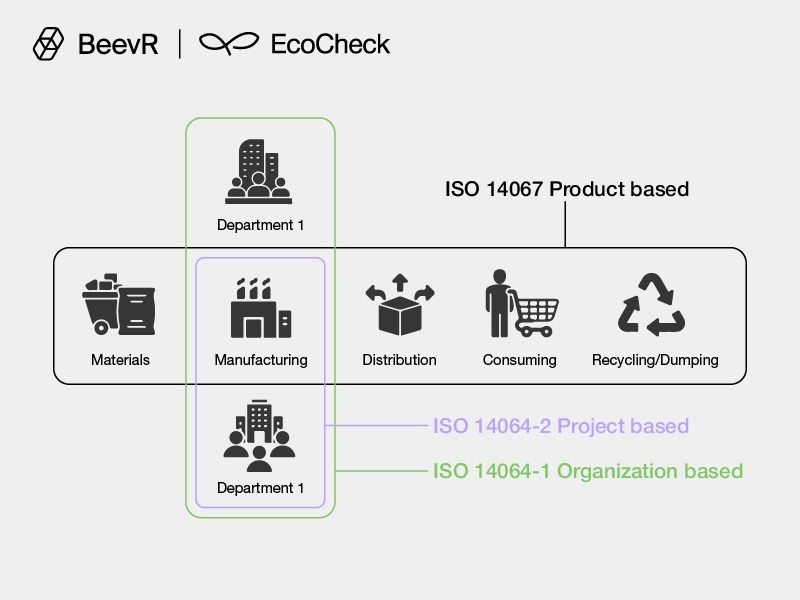
ISO 14064-1 is an international standard that provides a framework for conducting and reporting GHG inventories. This standard specifies the requirements and specific guidelines for businesses to identify and calculate emissions, thereby building emission reduction strategies.
What is ISO 14064-1?
Steps to conduct a GHG inventory according to ISO 14064-1
Identifying the organizational boundary and emission scope is the first and most important step in the GHG inventory process. Businesses clearly identify direct and indirect emission sources to have a basis for building an appropriate reduction strategy.
Steps to conduct a GHG inventory according to ISO 14064-1
1. Identify the organizational boundary and emission scope
Organizational boundary: Businesses need to identify the units, branches, or departments that they will include in the GHG inventory.
Emission scope: ISO 14064-1 divides emissions into three main scopes:
- Scope 1: Direct emissions from the business's activities, such as fuel combustion.
- Scope 2: Indirect emissions from electricity consumption.
- Scope 3: Other indirect emissions from the supply chain or services.
2. Collect emission data
Businesses need to collect data on fuel consumption, electricity, and other related activities. This data can be collected from technical departments, energy management, or through available measurement systems.
3. Calculate GHG emissions
After collecting the data, businesses need to use the prescribed emission factors to calculate the corresponding emissions. ISO 14064-1 provides methods and tools to carry out this step accurately.
4. Prepare the inventory report
The GHG inventory report must be clear, transparent, and comply with the guidelines of ISO 14064-1. This report should include the collected data, calculation methods, and the aggregated results of the business's emissions.
5. Independent verification
To increase reliability and transparency, many businesses choose to have an independent verification by a third party to ensure the accuracy of the GHG inventory.
The benefits of applying ISO 14064-1
Improved environmental management: This standard helps businesses manage emissions better and build effective solutions to reduce environmental impact.
Meeting legal requirements: Many countries have issued regulations on GHG inventory and reporting. ISO 14064-1 helps businesses easily comply with these requirements.
Enhancing brand value: Businesses that conduct inventories and report emissions transparently often receive high appreciation from partners and customers.
The benefits of applying ISO 14064-1
Conducting a GHG inventory according to the ISO 14064-1 standard not only helps businesses manage emissions more effectively but also creates an opportunity for businesses to affirm their pioneering role in environmental protection. Applying this standard will help businesses achieve their sustainable development goals and build a positive image in the eyes of the community.
Finally, to support businesses in implementing these strategies, EcoCheck provides an effective platform for GHG inventory. With detailed analysis and reporting tools, EcoCheck helps businesses track emission performance and implement improvement measures, contributing to the goal of sustainable development in a more effective and sustainable way.
CONTACT INFORMATION:
BeevR Technology Company Limited
Address:
Hanoi Office: 125 Hoang Ngan, Trung Kinh, Cau Giay, Hanoi
Hotline: 037.6869.366
Email: [email protected]
Website: https://ecocheck.ai/