Overview of the GHG Inventory Landscape in the Iron and Steel Industry
The Difficult Challenges the Steel Industry Is Facing in GHG Inventory
CBAM - A New Trade Barrier
Outdated Technology, High Emissions
Complex Supply Chains
Limited Awareness and Capacity
Opportunities from GHG Inventory in the Iron and Steel Industry
Enhancing Competitiveness
Cost Savings
Building a Green Brand Image
Driving Innovation
New Trends in GHG Inventory in the Steel Industry
Digital Transformation in GHG Inventory
Green Steel Production
International Cooperation
Raising Awareness
Applying Technology
Supporting the Green Transition
Strengthening Cooperation
Summary
GHG Inventory in Iron and Steel: Challenges and Opportunities
This article aims to provide an overview of the context, opportunities and challenges related to GHG inventory in the steel industry. We will analyze in depth the trends, key perspectives and action recommendations for steel businesses. Raising awareness of GHG inventory and the green transition in the steel industry is the main objective.
Overview of the GHG Inventory Landscape in the Iron and Steel Industry
Since October 1, 2023, steel businesses exporting to the EU must comply with the European CBAM mechanism, which for now focuses on greenhouse gas inventory reporting and emissions reduction. This is an important step to help businesses continue accessing the European market.
In Hanoi on September 12, within the framework of the Conference and Exhibition “Vietnam's Steel Industry Towards a Green Growth Strategy,” the IFC, in coordination with the Steel Association, organized a training workshop on methods for inventorying, mitigating and reporting greenhouse gas emissions. This is an opportunity for businesses to access new technologies and enhance their emissions-reduction capacity.
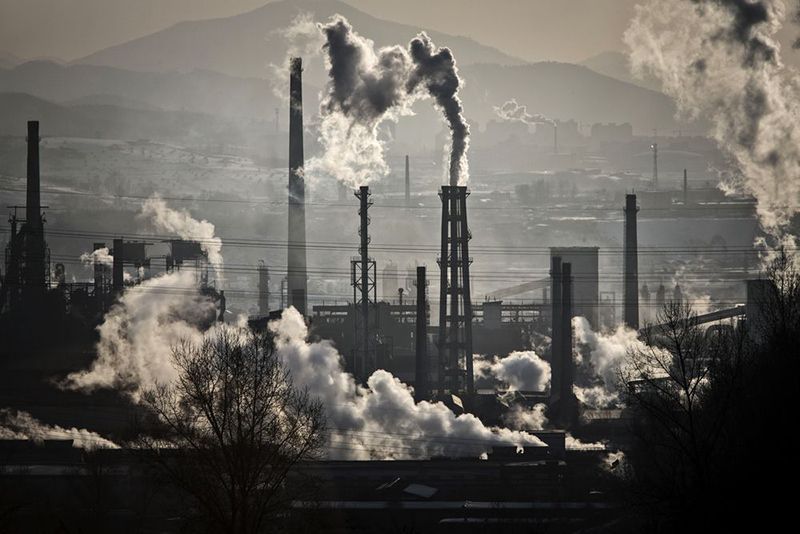
The steel industry, one of Vietnam's basic industries, supplies raw materials for construction, mechanical engineering, automobiles and other sectors. However, it is also a major emitter, estimated to release about 122.5 million tons of CO2 in 2025 and 132.9 million tons in 2030, accounting for 17% of the country's total emissions.
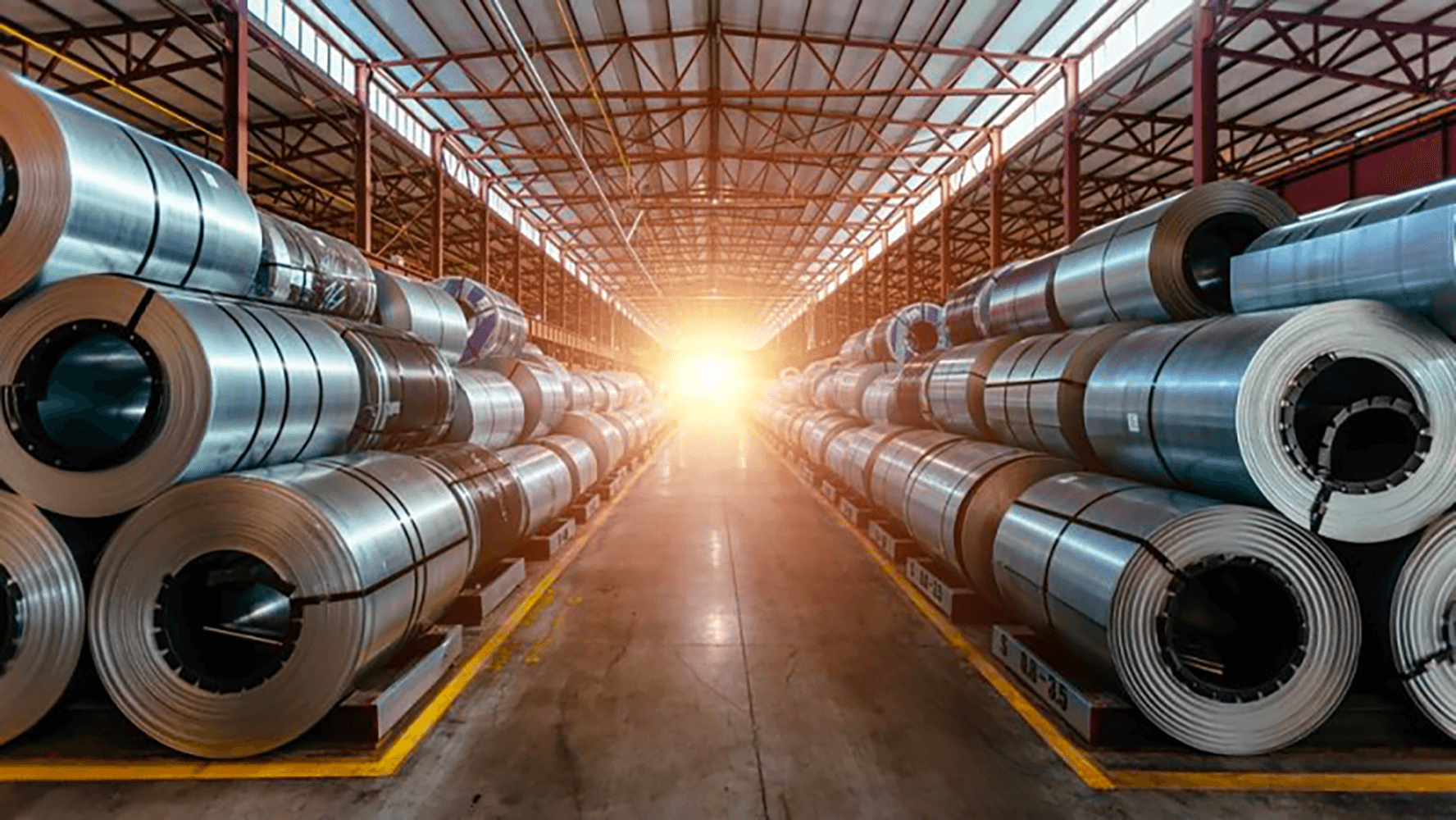
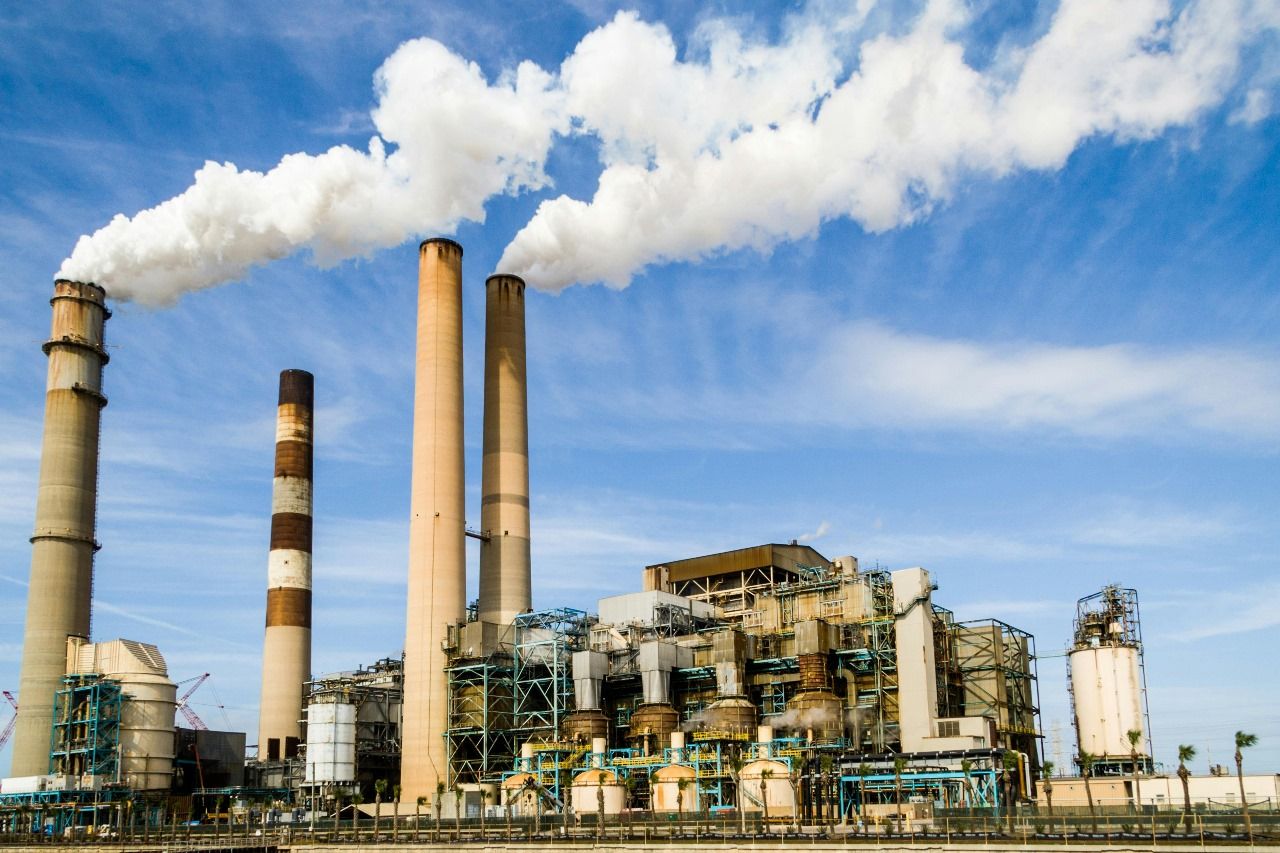
The steel industry releases large amounts of emissions into the environment
At the workshop, Mr. Nghiem Xuan Da - Chairman of the Vietnam Steel Association, stated that since October 1, 2023, businesses exporting steel to the EU need to comply with the European CBAM mechanism. For now, businesses must carry out emissions-reduction reporting and greenhouse gas inventory. This reporting and inventory helps businesses meet legal regulations as well as the requirements of export markets, including the EU.
In 2022, Vietnam exported about 8.397 million tons of steel, down 35.85% compared to 2021. Export value reached 7.99 billion USD, 32.2% lower than the previous year. Mr. Chu Duc Khai - Chairman of the Vietnam Foundry and Metallurgy Association, said that according to the Resolution of the 13th National Party Congress, the goal by 2045 is for Vietnam to become a developed industrial country. By then, annual steel consumption per capita will need to reach 500 - 700kg, whereas it currently stands at only 241.67 kg/person/year. Therefore, Vietnam's steel industry must develop much more strongly to meet the needs of the national economy.
Implementing the CBAM mechanism and green growth strategies not only helps Vietnamese steel businesses meet international market requirements, but also contributes to the country's sustainable development and greenhouse gas emissions reduction goals.
The Difficult Challenges the Steel Industry Is Facing in GHG Inventory
Currently, the steel industry is facing many difficulties related to greenhouse gas inventory. From adapting to complex international regulations to modernizing technology, businesses need to clearly understand these barriers and prepare thoroughly to overcome them.
CBAM - A New Trade Barrier
The EU's Carbon Border Adjustment Mechanism (CBAM) is placing significant pressure on steel-exporting companies. Inventorying and reporting greenhouse gas emissions has become a mandatory requirement to access this market since October 1, 2023. It is estimated that CBAM will affect about 30% of steel exported from Vietnam to the EU, where steel export value reached 7.99 billion USD in 2022.
Outdated Technology, High Emissions
Many steel businesses in Vietnam still rely on outdated technology, causing significant energy consumption and emissions. Adopting green steel production technology requires a large investment and a long-term roadmap. For example, a blast furnace using old technology can emit up to 2.2 tons of CO2 per ton of steel, while more advanced technology can reduce this figure to 1.8 tons of CO2.
Complex Supply Chains
In the steel industry, GHG inventory requires calculating emissions across the entire supply chain, from raw material extraction and production to transportation. This creates a major challenge in collecting and managing data. Currently, Vietnam's steel industry still has high GHG emissions, causing many negative impacts on the environment.
According to the Vietnam Steel Association (VSA), the industry's total annual carbon emissions reach up to 3.5 billion tons, accounting for 7-9% of total national emissions and 45% of emissions from industrial processes. Meanwhile, ENERTEAM reports that the average emissions of Vietnam's steel industry are 2.51 tons of CO2/ton of crude steel, compared to the global average of 1.85 tons.
Limited Awareness and Capacity
Many businesses still lack knowledge of GHG inventory, and do not have a specialized team or an effective data management system. According to a report by the Private Economic Development Research Board (Board IV), more than 60% of surveyed businesses admitted that they “have made no preparation” for the green transition. This is concerning as the deadlines for zero-emissions regulations in Europe, the US and Vietnam are approaching.
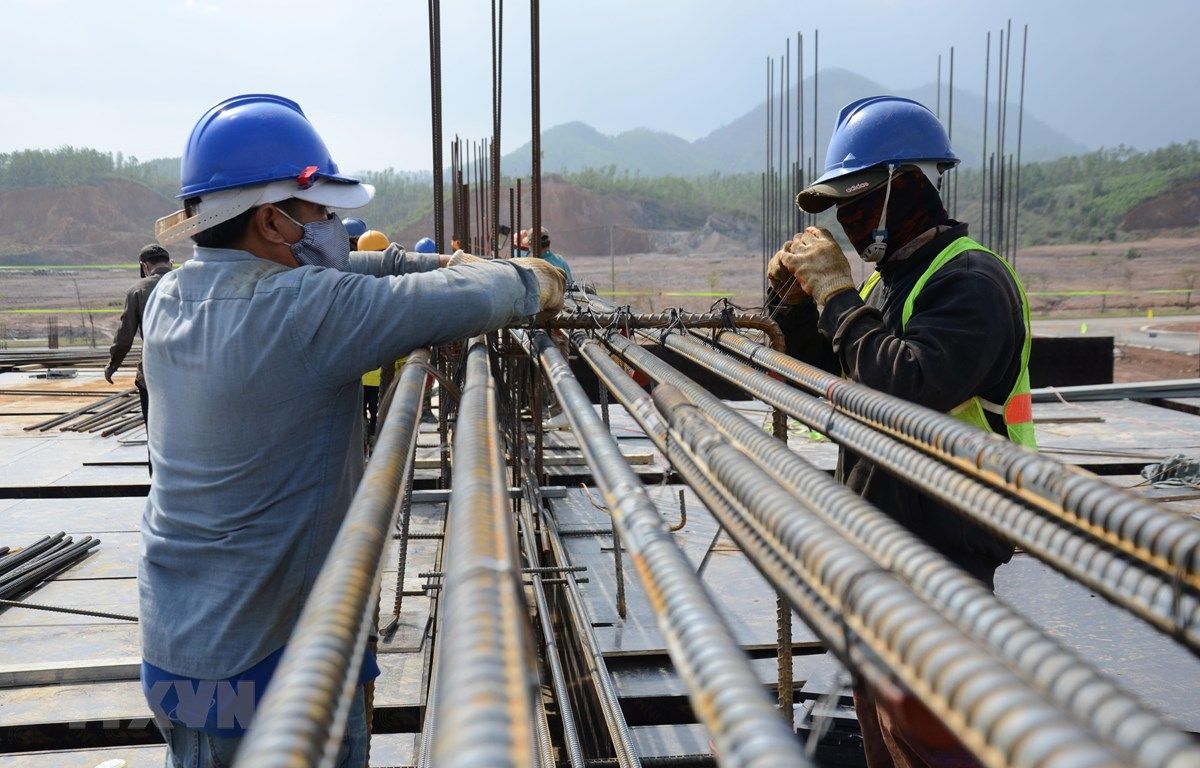
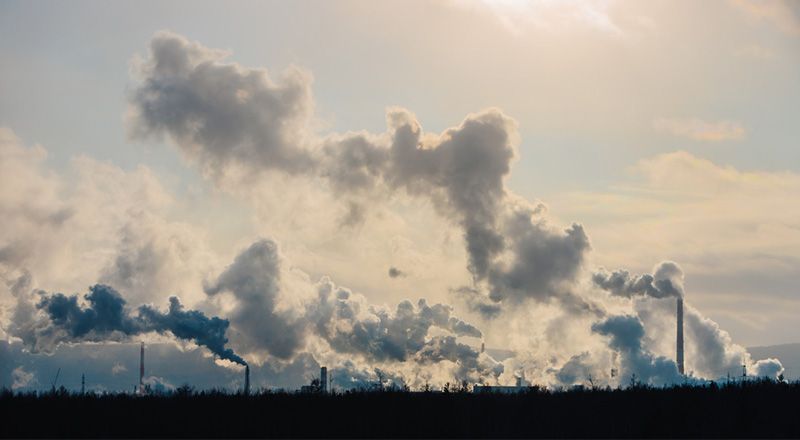
Many businesses lack knowledge of GHG inventory
Opportunities from GHG Inventory in the Iron and Steel Industry
Despite facing many challenges, GHG inventory also opens up a range of opportunities for steel businesses. By seizing and making good use of these opportunities, businesses can not only save costs and enhance competitiveness but also build a sustainable green brand.
Enhancing Competitiveness
Proactively inventorying and reducing greenhouse gas emissions helps steel businesses not only comply with strict legal regulations but also enhance their standing in the international market. Today, global markets increasingly require steel products to meet climate and sustainability standards. By making greenhouse gas information transparent, businesses can more easily access green capital sources, expand production, and develop new potential markets.
Cost Savings
Applying clean production technologies helps businesses not only reduce emissions but also optimize production processes. Using energy more efficiently thanks to advanced technology solutions will significantly reduce operating costs. This not only helps businesses increase profits but also creates a significant competitive advantage over rivals in the steel industry.
Building a Green Brand Image
Carrying out GHG inventory and being transparent about emissions information will help businesses build a “green” brand image in the eyes of customers and partners. A brand that stands out for its commitment to protecting the environment easily attracts customers and builds trust and loyalty. This not only enhances the business's reputation but also opens up opportunities to cooperate with organizations and partners that share a commitment to sustainable development.
Driving Innovation
The pressure to reduce emissions and increasingly fierce competition force steel businesses to invest in research and development of new technologies. This innovation not only helps improve productivity but also brings businesses closer to their sustainable development goals. From using alternative raw materials to optimizing production processes, innovation helps businesses increase their ability to adapt to market fluctuations and new legal requirements.
Opportunities in GHG inventory in the iron and steel industry
New Trends in GHG Inventory in the Steel Industry
New trends emerging in the field of GHG inventory will shape the future of the steel industry. From digital transformation to international cooperation, these trends open up new opportunities and challenges to be faced.
Digital Transformation in GHG Inventory
Applying digital technology, specialized software and online platforms helps automate the inventory process, improving efficiency and accuracy.
Green Steel Production
Investing in electric arc furnace (EAF) technology, hydrogen-based steel production, and the use of renewable energy and recycled materials is an inevitable trend of the global steel industry.

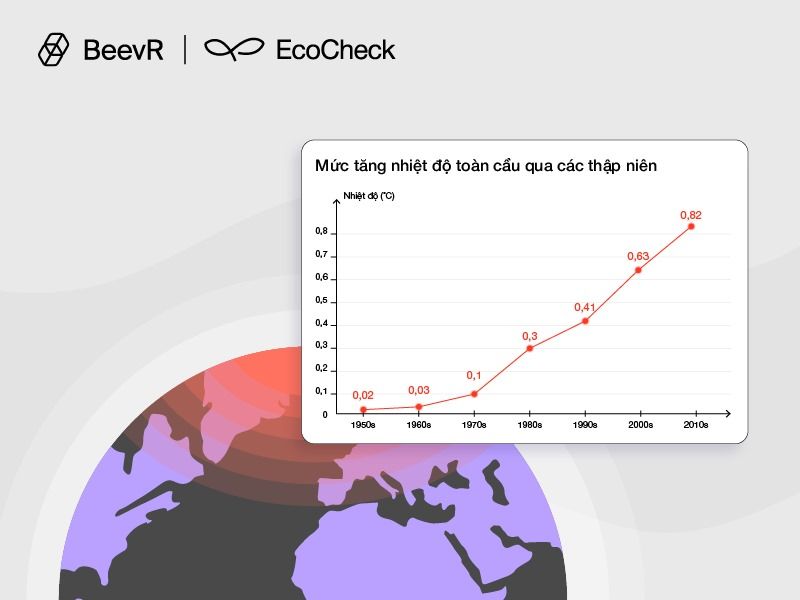
New trends in GHG inventory in the steel industry.
International Cooperation
Strengthening international cooperation on technology transfer, experience sharing and investment attraction helps Vietnam's steel industry access advanced emissions-reduction solutions.
To seize opportunities and overcome challenges, steel businesses need to take a series of specific actions. From raising awareness to applying technology and strengthening cooperation, these steps will help businesses succeed in GHG inventory and the green transition.
Raising Awareness
Organizing training programs and workshops to raise awareness of GHG inventory and related regulations for steel businesses.
Applying Technology
Encouraging businesses to adopt software and technology platforms to automate the inventory process, manage data and report emissions.
Supporting the Green Transition
Financial and technological support policies are needed to help steel businesses invest in cleaner production technology, improve energy efficiency and reduce emissions.
Strengthening Cooperation
Promoting public-private cooperation and international cooperation in technology transfer, experience sharing and building a green steel supply chain.
Steel businesses need to quickly become aware and take action to enhance competitiveness, build a green brand image and contribute to the sustainable development of the industry. Contact us for consultation and support in GHG inventory and the transition to green steel production.
Summary
GHG inventory in the steel industry is not only a legal requirement but also a strategic opportunity for businesses to adapt to the global trend of sustainable development. Despite facing many challenges such as high investment costs, complex processes and pressure from international standards, effective inventory will help businesses enhance competitiveness, optimize costs and build a green brand image.
This is not only an emissions management tool but also opens up opportunities for innovation, driving businesses to improve technology and create long-term sustainable value. When the steel industry actively participates in this green revolution, it not only contributes to protecting the environment but also ensures stable and sustainable development in the future.
Investing in GHG inventory today will be a solid foundation to help steel businesses stand firm and thrive in tomorrow's global market.
GHG inventory is not only a legal obligation but also an opportunity for businesses to demonstrate their responsibility to the environment and society. EcoCheck is an advanced technology platform backed by support from a team of experts, delivering an effective solution for businesses in the GHG inventory process.
CONTACT INFORMATION:
BeevR Technology Company Limited
Address:
Hanoi Office: 125 Hoang Ngan, Trung Kinh, Cau Giay, Hanoi
Hotline: 037.6869.366
Email: [email protected]
Website: https://ecocheck.ai/