I. Introduction
II. Legal Regulations
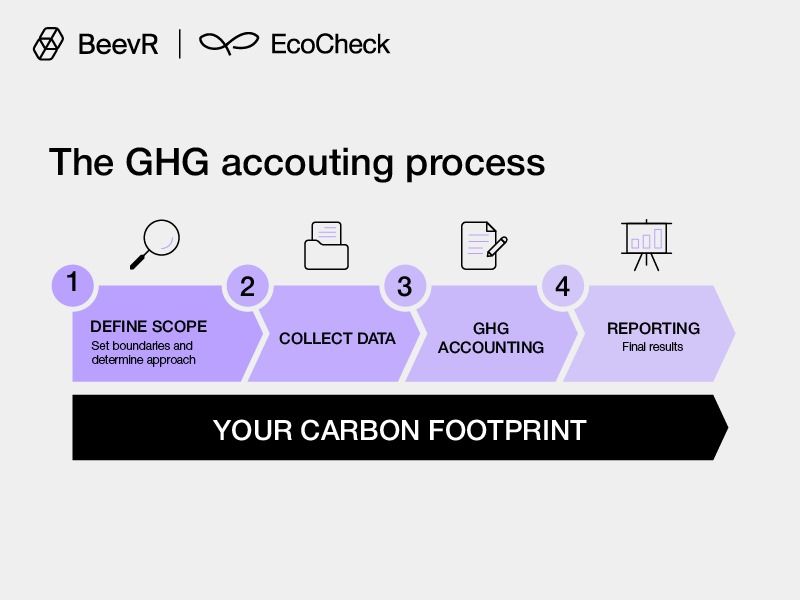
III. Steps to Conduct a Greenhouse Gas Inventory
1. Collecting activity data
2. Selecting the inventory method
3. Calculating emissions and absorption
4. Quality control and assurance
5. Preparing the report
IV. Tools and Emission Factors
1. Guidance on using formulas and emission factors
2. Tools supporting greenhouse gas inventory
3. The role of GIS technology in identifying inventory areas
4. Benefits of applying tools and emission factors
V. Challenges and Solutions
1. Difficulties in data collection and analysis
2. Technical and scientific challenges
3. Solutions to improve the effectiveness of greenhouse gas inventory
4. Encouraging the participation of communities and enterprises
VI. Conclusion
Guide to Greenhouse Gas Inventory in the Forestry Sector
I. Introduction
The significance of greenhouse gas inventory in the forestry sector
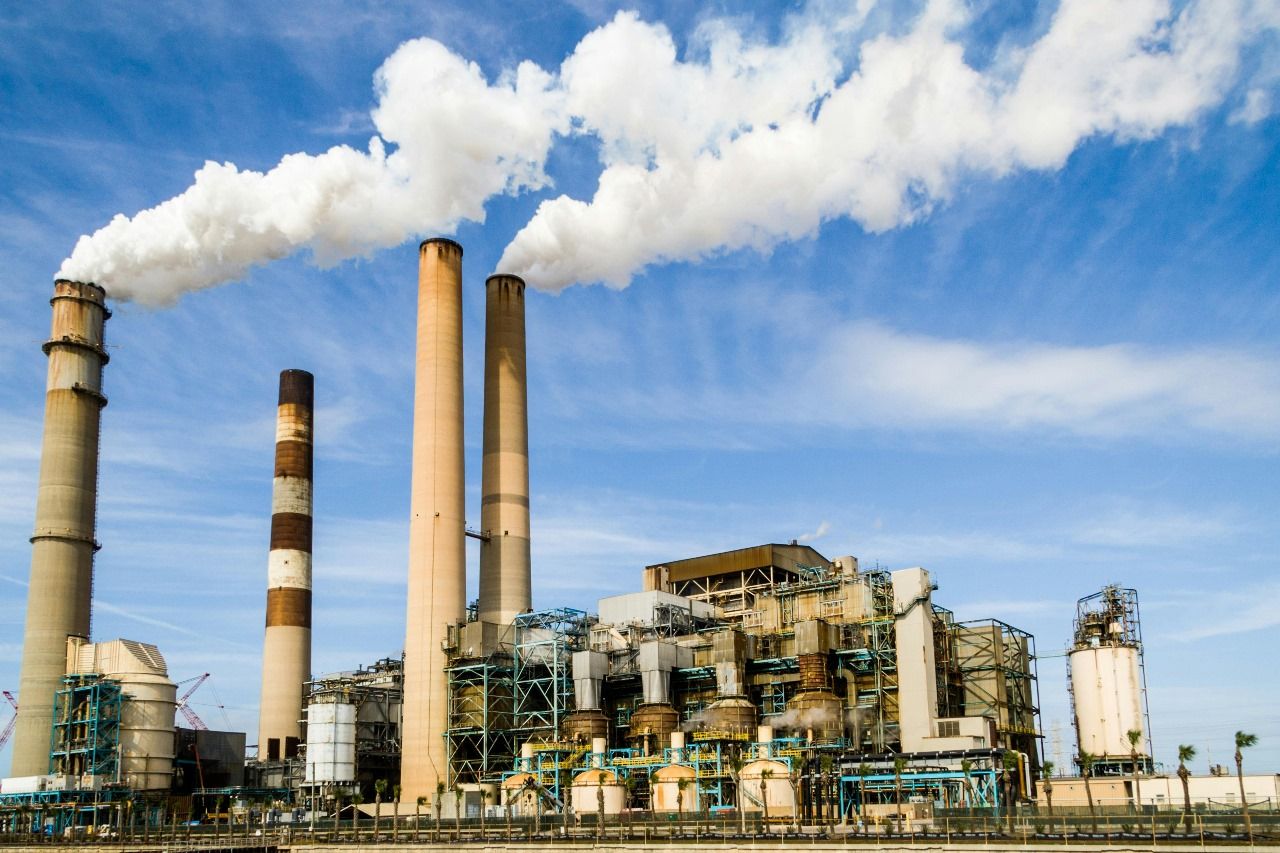
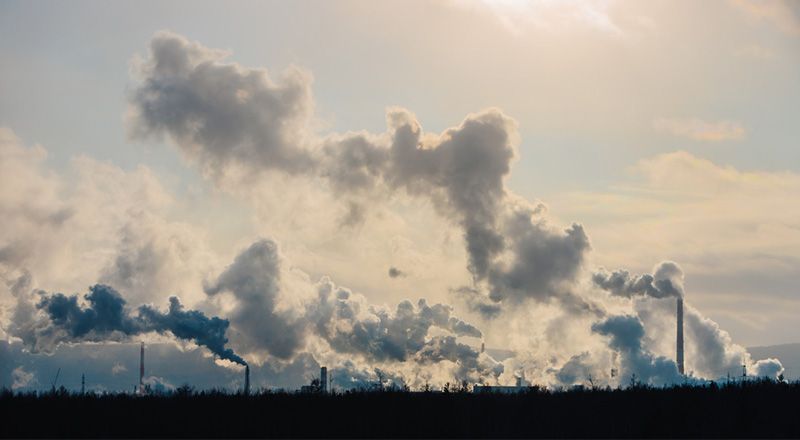
The forestry sector plays a crucial role in reducing greenhouse gas (GHG) emissions and protecting the global environment. Forests are not only effective "sinks" for absorbing CO₂ but also help regulate the climate, maintain biodiversity, and support the livelihoods of millions of people. However, the decline in forest area and unsustainable exploitation activities are increasing GHG emissions, seriously affecting sustainable development goals.
Conducting a GHG inventory in the forestry sector is a necessary step to measure, report, and manage emission sources as well as the absorption capacity of forests. This activity not only meets legal requirements but also creates a scientific foundation for developing effective emission mitigation strategies.
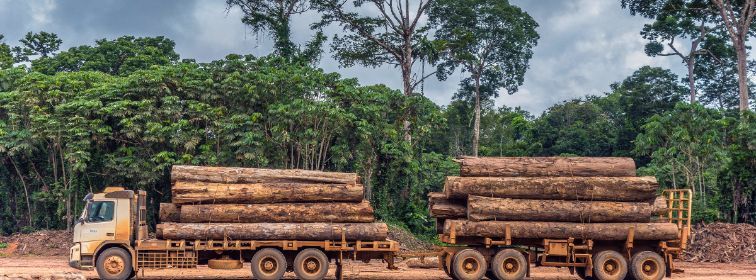
The significance of greenhouse gas inventory in the forestry sector
The link between greenhouse gas inventory activities and sustainable development
GHG inventory helps the forestry industry:
- Assess the level of contribution to national commitments on reducing greenhouse gas emissions.
- Quantify the impact of forest management measures such as protection, regeneration, and afforestation.
- Create a reliable database for decision-making, policy planning, and attracting investment.
This activity also contributes to enhancing transparency, accountability, and integrity in environmental protection efforts, ensuring that mitigation measures are implemented effectively while supporting global sustainable development goals.
II. Legal Regulations
Circular 23/2023/TT-BNNPTNT and related documents
Circular 23/2023/TT-BNNPTNT, issued by the Ministry of Agriculture and Rural Development on December 15, 2023, is an important legal document regulating the measurement, reporting, and verification of greenhouse gas (GHG) emission mitigation results as well as GHG inventory in the forestry sector. This Circular is developed based on important legal grounds such as:
- The Forestry Law of 2017: Orienting the development and management of the forestry sector in a sustainable manner.
- The Environmental Protection Law of 2020: Regulating GHG emission reduction and ozone layer protection.
- Decree 06/2022/ND-CP: Providing detailed guidance on GHG emission mitigation and environmental protection across economic sectors.
Circular 23/2023/TT-BNNPTNT sets out specific requirements for the procedures, documents, and tools necessary for GHG inventory, contributing to the realization of national commitments on emission reduction within the framework of the Paris Agreement and other international agreements.
Subjects and scope of application in the forestry sector
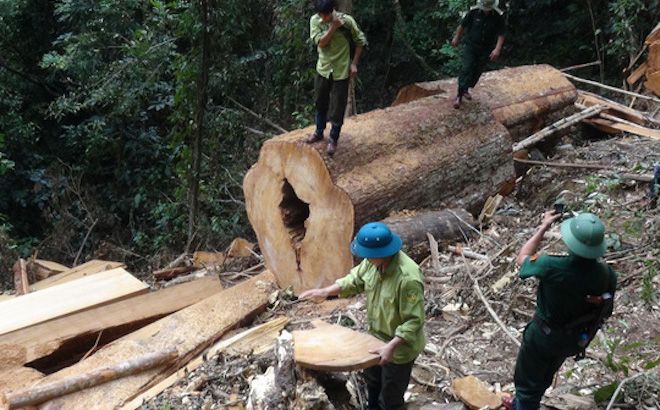
Subjects and scope of application in the forestry sector
The Circular applies to organizations and individuals involved in GHG inventory and emission mitigation activities in the forestry sector, including:
- State management agencies: Forestry management levels from central to local, responsible for guiding and supervising the implementation of GHG inventory.
- Forest management organizations: Forest owners, afforestation enterprises, forest environmental service providers, and forest protection organizations that play a role in conducting and reporting GHG inventory.
- Research and consulting units: Conducting research, collecting and analyzing data to support the inventory process and verification of results.
The scope of application covers all forest ecological regions across the country, from the Northwest, Northeast to the Central Highlands and the South. The inventory subjects include:
- Natural forest and planted forest areas.
- Non-forest land areas converted into forested land.
- Forest areas converted to other land use purposes.
III. Steps to Conduct a Greenhouse Gas Inventory
1. Collecting activity data
Collecting and processing data is the first step in the greenhouse gas (GHG) inventory process. The necessary data include:
- Forest area and changes in forest area: Monitoring changes in forest area over the years, including areas of forest lost or regenerated.
- Timber and firewood exploitation activities: Compiling statistics on harvest output and related emission sources.
- Impacts from natural disasters and human activities: Forest areas affected by forest fires, storms, floods, and harmful organisms.
Key reference documents:
- National forest status reports.
- Forestry industry statistical data from competent authorities.
2. Selecting the inventory method
Two common methods applied in GHG inventory:
- Gain-loss method: Calculating the change in carbon stock from the increase (afforestation, regeneration) and decrease (exploitation, forest fires) of biomass.
- Stock-difference method: Comparing the change in carbon stock between two specific points in time to determine the level of emissions or absorption.
The choice of method depends on the quality and level of detail of the collected data.
3. Calculating emissions and absorption
The factors to be calculated include:
- Biomass: Assessing the change in carbon stock in forest biomass (above and below ground).
- Dead wood and litter: Calculating the amount of carbon emitted or absorbed from dead wood and litter.
- Soil: Assessing the change in carbon in the soil, especially for organic and mineral soils.
Formulas and emission factors are applied according to IPCC guidelines and national regulations.
4. Quality control and assurance
Ensuring the accuracy and transparency of data through:
- Internal control: Reviewing the collection and calculation process to detect and correct errors.
- Independent assessment: Verifying data and methods by a third party to ensure reliability and objectivity.
5. Preparing the report
The GHG inventory results report should include:
- An overview of forest area, emission sources, and carbon sinks.
- Inventory results by each indicator such as biomass, dead wood, litter, and soil.
- A comparative assessment against previous inventory periods.
- Proposals and recommendations to improve the effectiveness of forest management and emission reduction.
IV. Tools and Emission Factors
1. Guidance on using formulas and emission factors
Calculating the amount of greenhouse gas (GHG) emissions and absorption requires the use of standard formulas and emission factors, designed to ensure accuracy and consistency. The two main reference sources include:
- IPCC guidelines (Intergovernmental Panel on Climate Change):
- The IPCC provides detailed calculation formulas and default emission factors for gases such as CO₂, CH₄, and N₂O.
- These factors are designed to be applied generally across many countries, in cases where specific data is lacking.
- National emission factors:
- Published by the Ministry of Natural Resources and Environment (MONRE), these factors are adjusted to suit the conditions of Vietnam.
- They include the carbon ratio in biomass, emissions from dead wood, and carbon stock in the soil.
2. Tools supporting greenhouse gas inventory
To enhance accuracy and efficiency, the following tools are commonly used in GHG inventory in the forestry sector:
- Geographic Information System (GIS):
- GIS supports identifying forest areas, monitoring area changes, and analyzing spatial data.
- Popular software such as ArcGIS and QGIS is used to process forest status maps and thematic information layers.
- GHG management and calculation software:
- Specialized tools such as the AFOLU Carbon Calculator or nationally developed custom software to calculate GHG emissions and absorption.
- Emission factor tables and reference data:
- Emission factor tables are provided in Circular 23/2023/TT-BNNPTNT with indicators such as above-ground biomass, biomass conversion factors, and carbon ratios.
3. The role of GIS technology in identifying inventory areas
- Identifying forest boundaries: GIS helps create accurate maps of forest area, including natural forests, planted forests, and regenerated forests.
- Integrating thematic data: Data layers such as terrain, administrative boundaries, and forest land changes are overlaid for deeper analysis.
- Ecological zoning: This tool supports the division of forest ecological regions to calculate emissions and absorption separately, enhancing the level of detail in inventory reports.
4. Benefits of applying tools and emission factors
- Increasing accuracy: Reducing calculation errors and ensuring transparent, reliable data.
- Saving time: Automating the data processing and analysis process.
- Supporting decision-making: Inventory data is presented visually and clearly, supporting policy planning and forest management strategies.
V. Challenges and Solutions
1. Difficulties in data collection and analysis
The greenhouse gas (GHG) inventory process in the forestry sector faces many challenges:
- Lack of accurate data:
- Some forest areas, especially natural forests in remote and isolated regions, have not been fully surveyed.
- Historical data on forest area, forest land changes, and exploitation activities is often incomplete or inconsistent.
- Resource limitations:
- Human resources with the expertise to conduct inventory and data analysis are still limited.
- Supporting technology and equipment such as GIS software or modern surveying systems are not yet widespread.
- Time and cost:
- GHG inventory is a complex process, requiring considerable time and funding to fully implement.
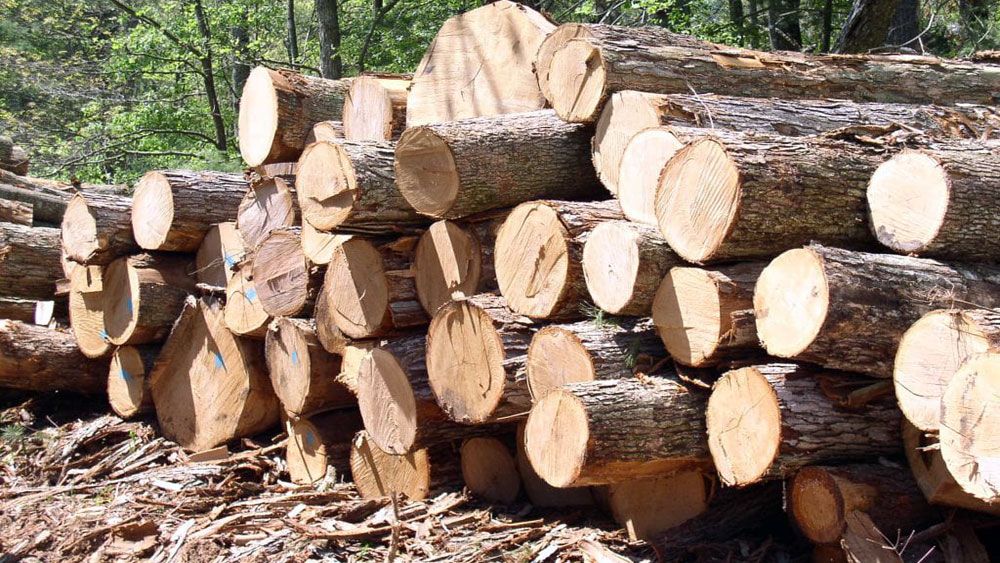
Challenges in greenhouse gas inventory in the forestry industry
2. Technical and scientific challenges
- Complexity of calculation methods:
- GHG calculation formulas require a deep understanding of ecology and the variables of biomass, soil, and greenhouse gases.
- Applying international emission factors such as those of the IPCC may not be entirely suitable for the actual conditions in Vietnam.
- Data analysis and verification:
- Ensuring the accuracy and transparency of data in a context with many different information sources.
- Lack of unified quality control and assurance procedures.
3. Solutions to improve the effectiveness of greenhouse gas inventory
To overcome the above challenges, the following solutions are recommended:
- Enhancing capacity and training human resources:
- Organizing training courses for forestry management staff on inventory methods and the use of tools such as GIS and calculation software.
- In-depth training on international standards and legal regulations in GHG inventory.
- Applying modern technology:
- Expanding the use of GIS tools to monitor forests and analyze spatial data.
- Using unmanned aerial vehicles (drones) to monitor forests and collect more accurate data.
- Harmonizing international and national emission factors:
- Researching and updating emission factors specific to Vietnam, suitable for the country's ecological and environmental conditions.
- Strengthening cooperation and support:
- Cooperating with international organizations such as UN-REDD or FAO to access funding sources and technical support.
- Building a centralized data management system that integrates reports from the local to the central level.
4. Encouraging the participation of communities and enterprises
- Raising community awareness of the importance of GHG inventory, encouraging local people to participate in protecting and monitoring forests.
- Attracting enterprises to participate in emission reduction programs, especially in industries directly related to forest resources.
VI. Conclusion
Benefits of greenhouse gas inventory in forest management
Greenhouse gas (GHG) inventory is not only a legal requirement but also an important tool in managing forests sustainably. This activity helps to:
- Measure and control emissions: Identify GHG emission sources and sinks, thereby proposing appropriate management measures.
- Support policy planning: Provide reliable data to develop emission reduction strategies in the forestry industry and related sectors.
- Strengthen international cooperation: Contribute to fulfilling national commitments on climate change and attracting support from international organizations.
The role of organizations and individuals in implementing regulations
The success of GHG inventory activities depends on close coordination among stakeholders:
- State management agencies: Ensure the enforcement of legal regulations, guide and supervise the inventory process.
- Enterprises and forest management organizations: Proactively implement emission reduction measures and provide complete and accurate data.
- Communities and local people: Participate in forest protection and regeneration, raising awareness of the importance of reducing GHG emissions.
Conducting GHG inventory in the forestry sector not only helps Vietnam achieve its emission reduction goals but also protects ecosystems, ensures sustainable livelihoods, and enhances the country's position in the global response to climate change.
CONTACT INFORMATION:
BeevR Technology Company Limited
Address:
Hanoi Office: 125 Hoang Ngan, Trung Kinh, Cau Giay, Hanoi
Hotline: 037.6869.366
Email: [email protected]
Website: https://ecocheck.ai/