Challenges in collecting GHG inventory data
Some specific issues encountered:
Calculating and standardizing GHG inventory emission data
Some challenges include:
Ensuring transparency in GHG inventory reporting
The main issues encountered are:
Complying with legal regulations on GHG inventory
Challenges related to regulations such as:
Costs and resources for GHG inventory
Some factors to consider are:
Conclusion
Challenges in GHG inventory activities
Climate change is becoming one of the greatest challenges of the century, forcing businesses to take concrete measures to minimize the negative impact of their production and business activities on the environment. GHG inventory is not only a legal requirement but also an important step in building an image and enhancing a business's reputation. However, many businesses face considerable challenges in carrying out the process of inventorying and reporting emissions. This article will clarify the challenges that businesses need to be aware of in order to overcome them on this journey.
Challenges in collecting GHG inventory data
One of the biggest challenges in GHG inventory is data collection. Businesses need to gather information from many different sources, including production activities, energy consumption, and other auxiliary activities. This requires a rigorous data management system to ensure that information is collected fully and accurately.
Some specific issues encountered:
Complexity of organizational structure: For large businesses with many departments, collecting data from many different sources can become a difficult task.
Lack of tools and software: Many businesses have not yet invested in appropriate tools and software to track and manage emission data, leading to incomplete and inaccurate information collection.
Lack of tools and software in GHG inventory
Calculating and standardizing GHG inventory emission data
After the data is collected, the next step is to calculate and standardize the emission data. This can be a complex process, especially when there are many different emission sources.
Some challenges include:
Diversity of emission sources: Emission sources come from production activities, energy consumption, transportation, and the supply chain. Aggregating calculations from all these sources requires accurate methods.
Changes in standards and calculation methods: International and national standards for calculating greenhouse gas emissions change frequently, forcing businesses to continuously update and adjust their methods.
Ensuring transparency in GHG inventory reporting
Greenhouse gas emissions reporting is an important part of the inventory process. However, ensuring the accuracy and transparency of the report is a major challenge.
The main issues encountered are:
Data reliability: If the data is inaccurate or distorted, the emissions report will not reflect reality, leading businesses to make wrong decisions in environmental management.
Difficulty in disclosing information: Businesses need to disclose information related to the calculation methods and data used in the report to build trust with stakeholders, which sometimes creates difficulty in protecting sensitive information.
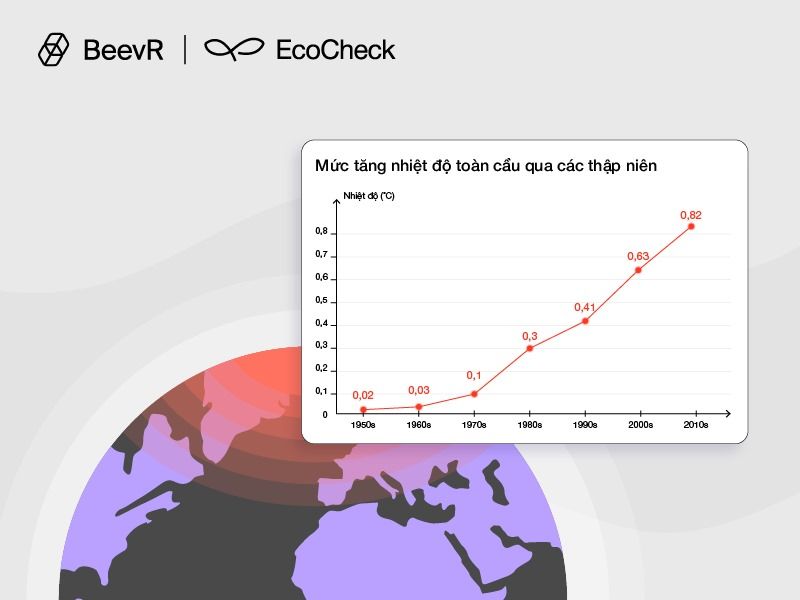
Ensuring transparency in GHG inventory reporting
Complying with legal regulations on GHG inventory
In many countries, inventorying and reporting greenhouse gas emissions is a legal requirement. Businesses must comply with the relevant regulations to avoid serious legal consequences.
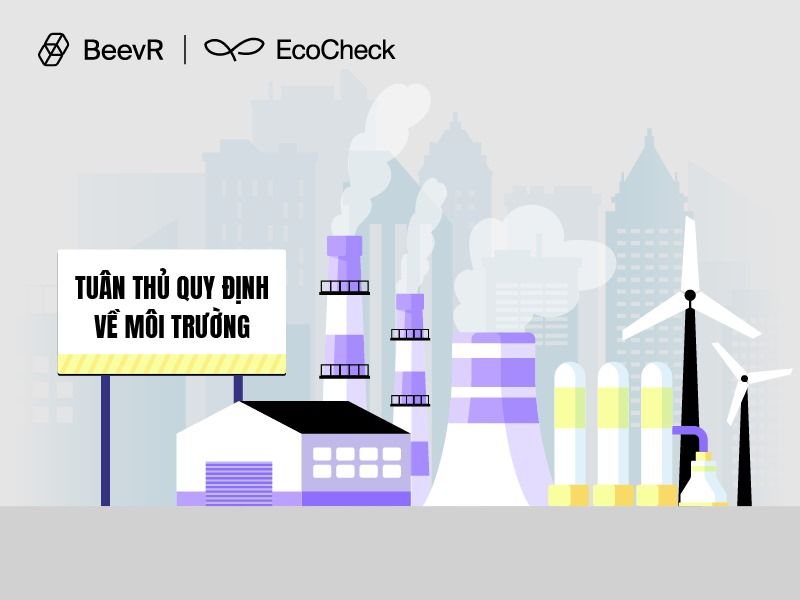
Complying with legal regulations on GHG inventory
Challenges related to regulations such as:
Complexity of legal regulations: Many businesses have difficulty understanding and complying with regulations related to greenhouse gas emissions, especially in a context where regulations may differ between countries.
Costs related to compliance: Complying with these regulations may require businesses to invest more in technology and resources, which can become a burden for many businesses, especially small and medium-sized enterprises.
Costs and resources for GHG inventory
Conducting a GHG inventory and reporting emissions requires businesses to invest a large amount of costs and resources.
Some factors to consider are:
Investment in technology: Businesses need to invest in modern software and measurement equipment to collect and analyze emission data.
Personnel training: Staff need to be trained on the GHG inventory and emissions reporting process, as well as the relevant regulations, to ensure the process is carried out effectively and accurately.
Conclusion
GHG inventory and emissions reporting is a complex and challenging process for many businesses. However, it is extremely necessary to minimize negative impacts on the environment and comply with legal regulations. To overcome these challenges, businesses need to invest in technology, data management processes, and personnel training, in order to improve the effectiveness of the GHG inventory and emissions reporting process.
EcoCheck is an advanced technology platform, and with the support of a team of experienced experts, it will help businesses solve the challenges in the GHG inventory process. EcoCheck is not only a companion for businesses in conducting a comprehensive GHG inventory but also works alongside businesses toward sustainable development.
CONTACT INFORMATION:
BeevR Technology Company Limited
Address:
Hanoi Office: 125 Hoang Ngan, Trung Kinh, Cau Giay, Hanoi
Hotline: 037.6869.366
Email: [email protected]
Website: https://ecocheck.ai/