Super typhoon Yagi and its unforeseeable consequences
How is global warming making storms stronger?
Global warming: The origin of super typhoon Yagi
Super typhoon Yagi (storm no. 3) is currently the strongest storm in the past 30 years in the East Sea. It recently made landfall and swept through the Philippines, China and Vietnam, bringing terrifying destruction. The destructive power of storm no. 3 is clear evidence of the strength of storms caused by climate change.
Super typhoon Yagi and its unforeseeable consequences
Phrases such as "devastation, ruins, flooding, fallen trees, strewn everywhere…" have appeared continuously in the media after storm no. 3 swept through northern Vietnam, causing serious damage.
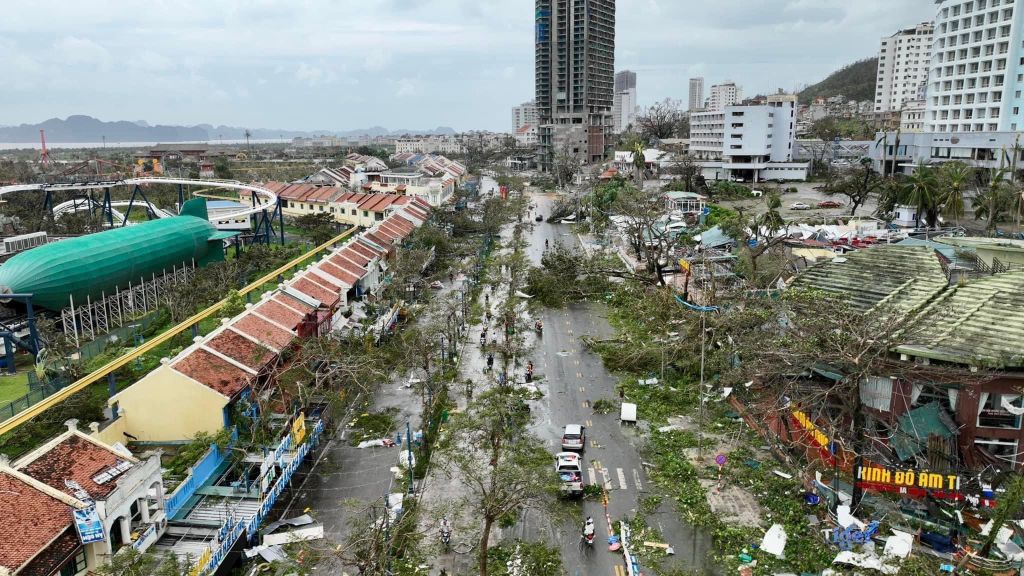
Typhoon Yagi was confirmed as a super typhoon with winds reaching level 16, gusting to level 17. In the past, super typhoons usually formed over the Northwest Pacific and then moved into the East Sea and gradually weakened, but Yagi was a rare case that formed directly over the East Sea.
According to meteorological experts, Yagi is the strongest storm over the East Sea in the past 30 years. With winds of up to 240 km/h, Yagi ranked second in the world in intensity in 2024, behind only Hurricane Beryl in the Atlantic.
In Vietnam, super typhoon Yagi directly affected provinces and cities in the northern region, including Hai Phong, Quang Ninh, Nam Dinh, Thai Binh, Thanh Hoa, Ninh Binh and Hanoi.
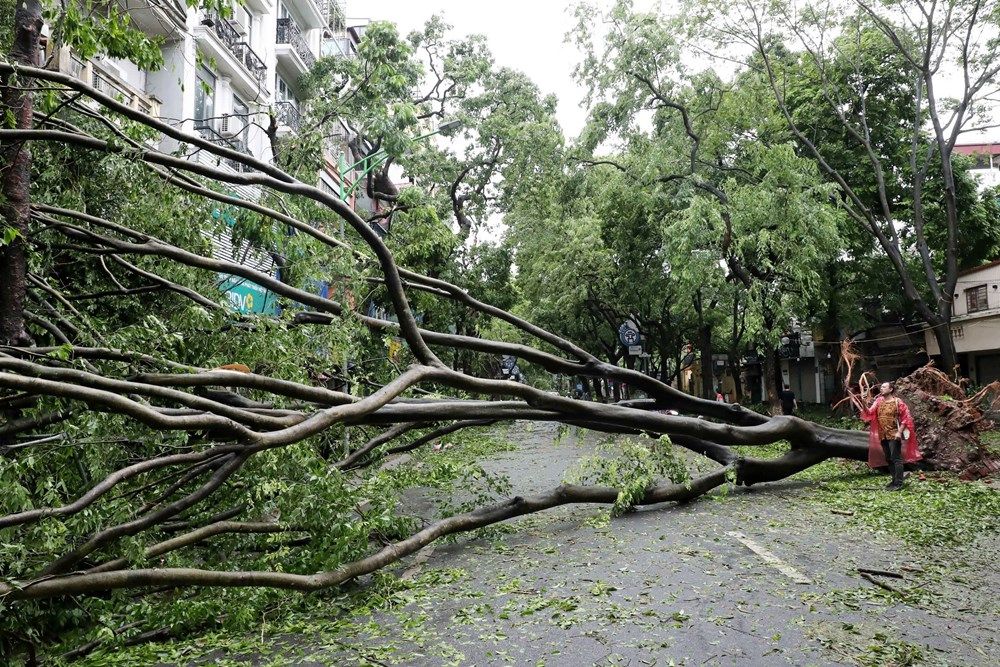
Clearly, storms are gradually becoming stronger. Scientists from Singapore and the US recently pointed out that the Hai Phong area of Vietnam will face stronger storms that form closer to the coast and, in particular, stay over land longer.
How is global warming making storms stronger?
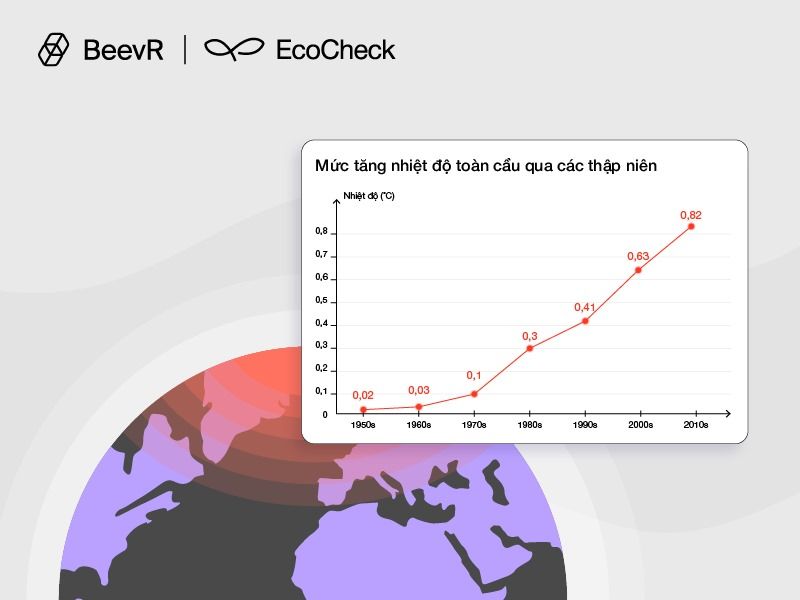
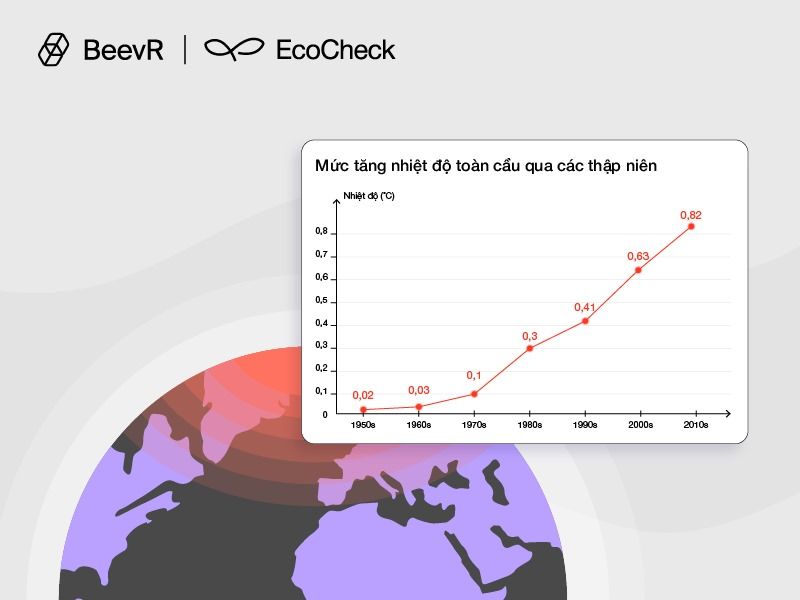
From April 2023 to June this year, the average surface temperature of the world's oceans reached a record high, according to data since 1979. The oceans have absorbed more than 90% of the excess heat in the earth's system caused by global warming.
The onset of El Niño, a climate pattern opposite to La Niña, in 2023 also contributed to warming sea water. Warm oceans not only create favorable conditions for storms but also melt ice, leading to rising sea levels and weakening the Atlantic Meridional Overturning Circulation - an important ocean current system in regulating the planet's climate.
In late July 2024, typhoon Gaemi made landfall in the Philippines, Taiwan (China) and Hunan province (China), causing floods and landslides, destroying many structures and killing at least 100 people, affecting the lives of millions. Winds of up to 233 km/h sank two large ships and caused deep flooding in Manila (the Philippines).
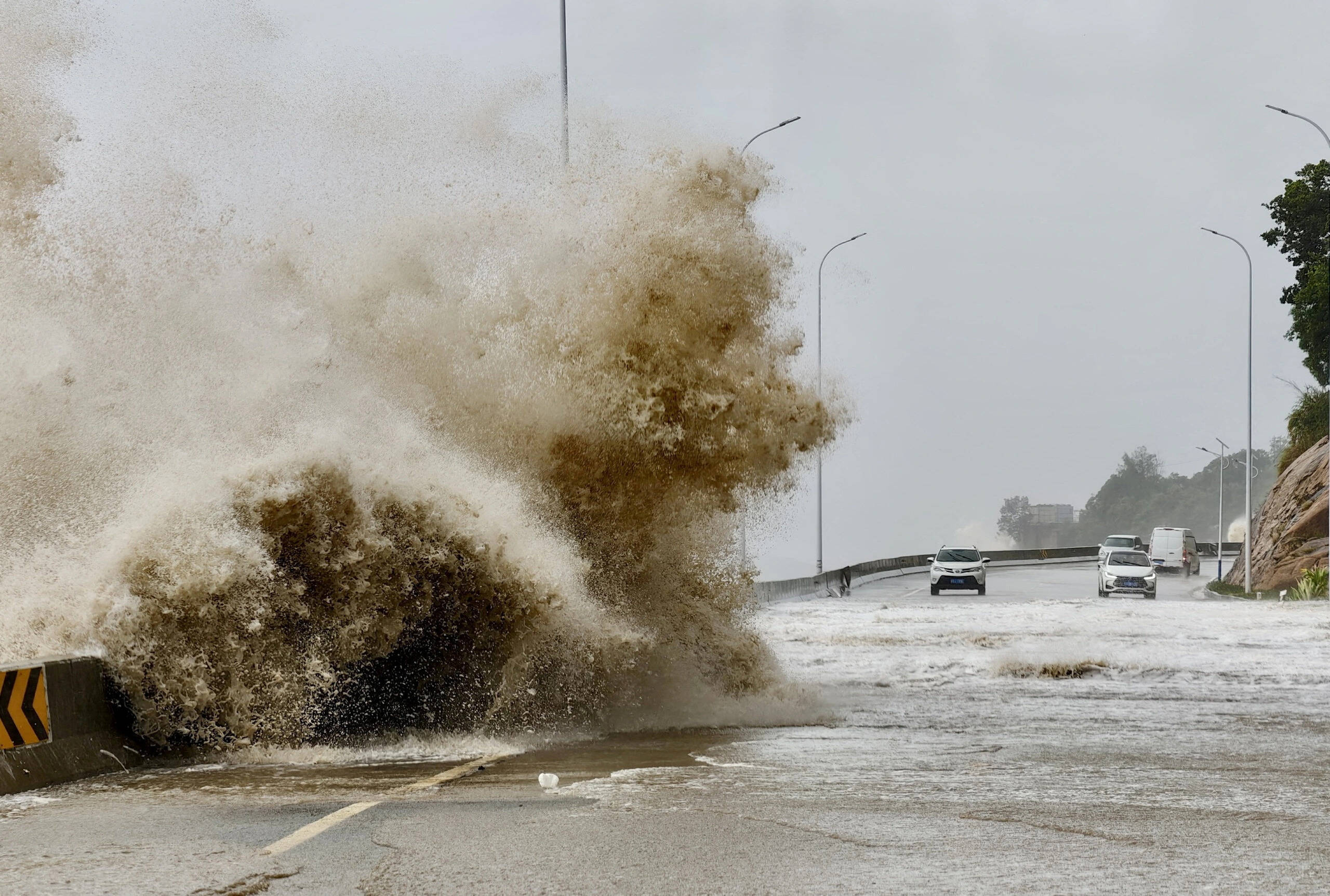
According to an analysis by researchers from the WWA organization, global warming and the burning of fossil fuels increased typhoon Gaemi's speed by about 14 km/h and its rainfall by up to 14%.
Since 1900, the number of storms as strong as Gaemi in the Northwest Pacific has increased by 30%, amid rising carbon emissions from fossil fuels. Hundreds of studies also indicate that climate change is leading to extreme weather events such as heat waves, wildfires, droughts, floods and storms.
Dr. Ben Clarke of Imperial College London and a member of the WWA group commented: "Fossil-fuel-driven warming is opening a new era of larger and more devastating storms. We will witness many destructive storms like Gaemi as the climate warms. Asia will become increasingly dangerous with storms of this kind until fossil fuels are replaced by renewable energy."
If countries in the region do not take strong and responsible measures to address climate change, they will suffer greater damage from the terrifying destructive power of storms.
This is a strong wake-up call for businesses and organizations to quickly get to work on reducing emissions. The rise of extreme weather events and fierce storms and floods not only causes enormous damage but also shows the urgency of acting to protect the environment. Businesses need to review and adjust their operations to reduce greenhouse gas emissions, contributing to the global effort to combat climate change and build a sustainable future.
Join EcoCheck in taking action today to ensure a safe and sustainable future for all!