What Is the Greenhouse Effect?
The origins of these "culprits"
The Main Greenhouse Gases
1. Carbon Dioxide (CO2)
2. Methane (CH4)
3. Nitrous Oxide (N2O)
4. Hydrofluorocarbons (HFCs)
5. Perfluorocarbons (PFCs)
6. Sulphur Hexafluoride (SF6)
7. Nitrogen Trifluoride (NF3)
The Impact of Greenhouse Gases on Vietnam
Vietnam Needs to Step Up Greenhouse Gas Emission Reductions
Greenhouse gas reduction projects
Ho Chi Minh City
Hanoi
The role of each individual
The Importance of Greenhouse Gas Inventory
Why Choose EcoCheck's Greenhouse Gas Inventory Service?
Greenhouse Gases: What You Need to Know
The greenhouse effect is one of the key factors contributing to global climate change. What are greenhouse gases and why do they matter so much? Let's join EcoCheck in exploring these gases in detail and their role in causing the greenhouse effect.

The greenhouse effect is one of the key factors contributing to global climate change.
What Is the Greenhouse Effect?
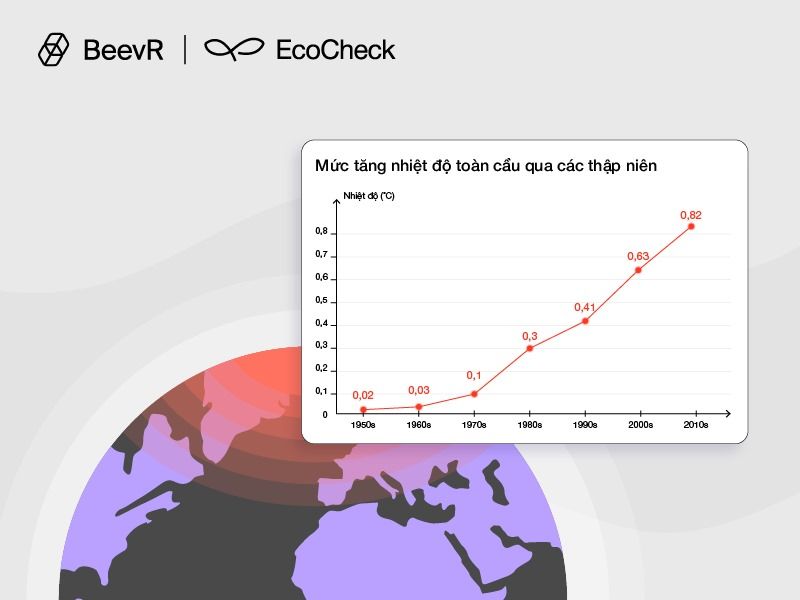
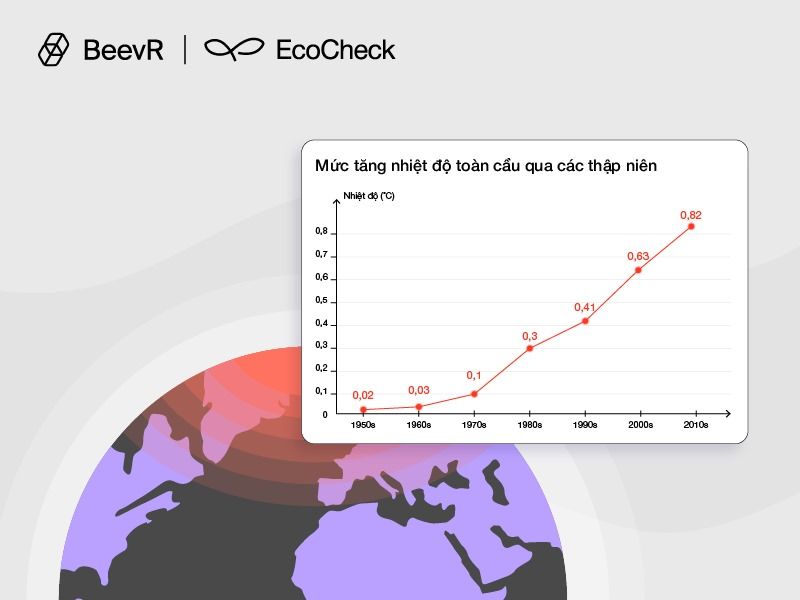
The Earth is facing enormous challenges caused by climate change. Global warming, rising sea levels, droughts and environmental changes are threatening human life, especially in the regions hit hardest, including Vietnam.
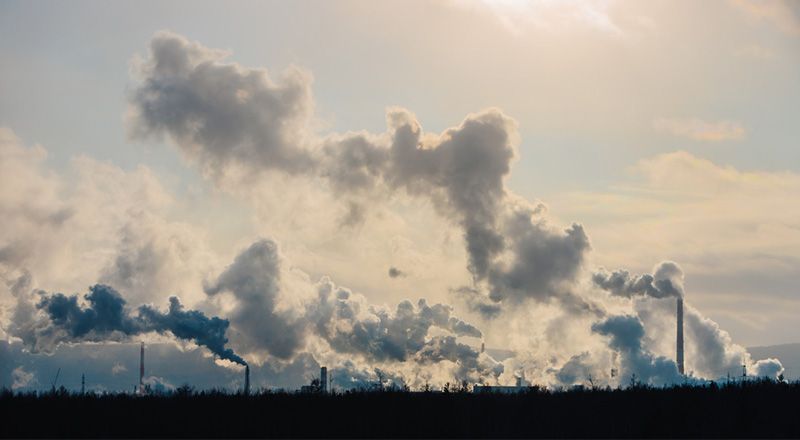
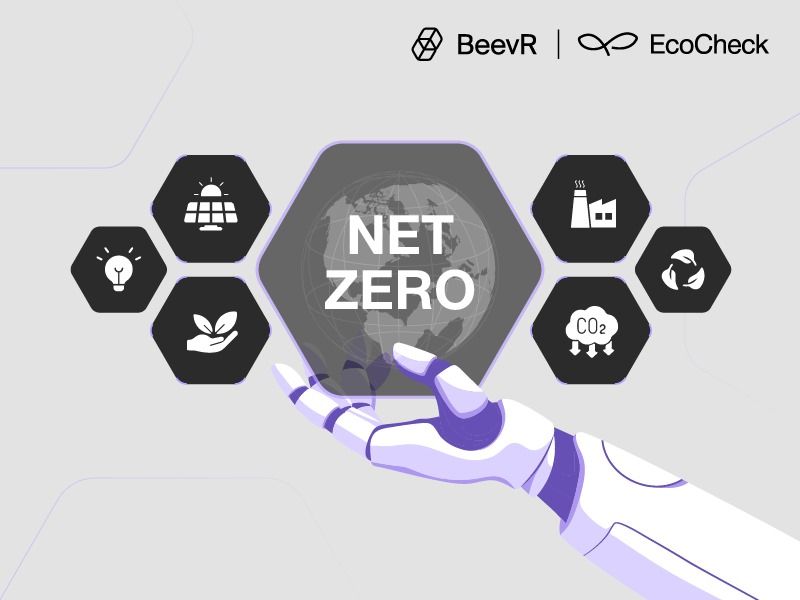
According to several studies, the greenhouse effect, the main cause of climate change, is created by greenhouse gases such as CO2, NOx, SOx and CH4. They trap heat in the atmosphere, causing the Earth to warm.

What Is the Greenhouse Effect?
The origins of these "culprits"
Emissions from transportation: Burning fossil fuels such as gasoline and petroleum in vehicles releases large amounts of CO2, contributing significantly to the greenhouse effect.
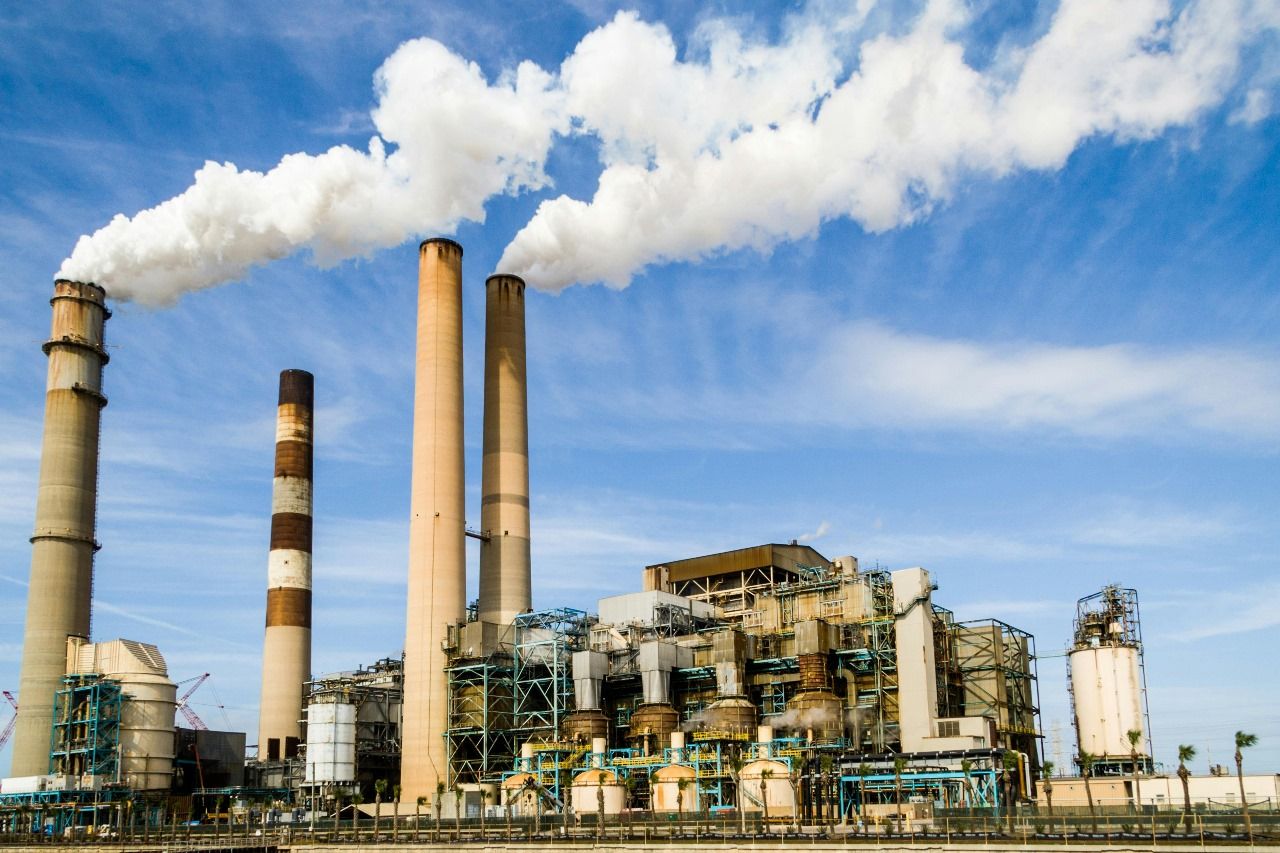
Industrial activity: Manufacturing plants release many harmful gases, including CO2, NOx and SOx, contributing to the intensification of the greenhouse effect and causing environmental pollution.
Agriculture: The use of chemical fertilizers and organic waste in agriculture leads to methane (CH4) emissions, a greenhouse gas 25 times more potent than CO2.
Urbanization: Rapid urbanization leads to increased population density, transportation, and industrial activity, thereby increasing greenhouse gas emissions.
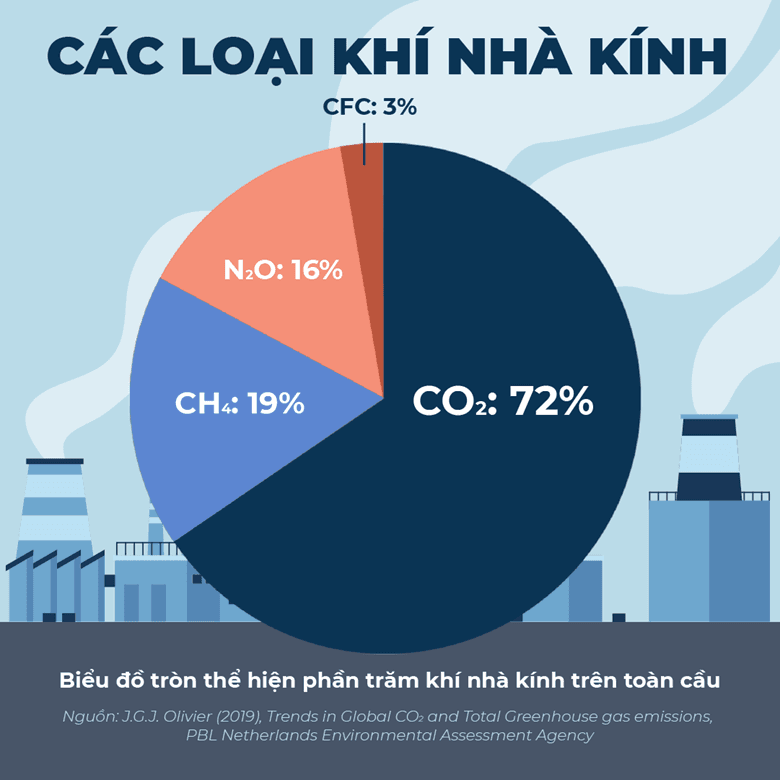
Types of greenhouse gases
The Main Greenhouse Gases
Greenhouse gases also include water vapor (H2O), nitrous oxide (N2O), ozone (O3) and CFC gases. Among them, carbon dioxide, methane and nitrous oxide are the most concerning. This is because carbon dioxide persists in the atmosphere for 1,000 years, methane for 10 years, and nitrous oxide for 120 years. Over just about 20 years, nitrous oxide affects global warming 280 times more than CO2, and methane 80 times more than CO2.
1. Carbon Dioxide (CO2)
CO2 is the most common greenhouse gas, accounting for about 76% of total global greenhouse gas emissions. The main sources of CO2 emissions include the burning of fossil fuels such as coal, oil and natural gas, as well as activities such as deforestation and industrial processes.
2. Methane (CH4)
Methane has a greenhouse potential 25 times higher than CO2 over a 100-year period. CH4 is emitted from sources such as livestock farming, oil and gas production and transportation, as well as from landfills of organic waste.
3. Nitrous Oxide (N2O)
N2O has a greenhouse potential 298 times higher than CO2. The main source of N2O emissions is agriculture, particularly the use of nitrogen-containing fertilizers, as well as some industrial processes and fuel combustion.
4. Hydrofluorocarbons (HFCs)
HFCs are synthetic compounds used in refrigeration systems, air conditioning and foam production. Although they account for a small proportion of total greenhouse gas emissions, HFCs have a very high greenhouse potential.
5. Perfluorocarbons (PFCs)
PFCs are also synthetic compounds used in industry, particularly in aluminum production and semiconductor manufacturing. Like HFCs, PFCs have a very high greenhouse potential.
6. Sulphur Hexafluoride (SF6)
SF6 is one of the most potent greenhouse gases, used primarily in the electric power industry. Although SF6 emissions are very small, it has a greenhouse potential 23,500 times higher than CO2.
7. Nitrogen Trifluoride (NF3)
NF3 is used primarily in the production of liquid crystal displays (LCDs) and other electronic devices. Although the concentration of NF3 in the atmosphere is very low, it has a very strong greenhouse potential.
The Impact of Greenhouse Gases on Vietnam
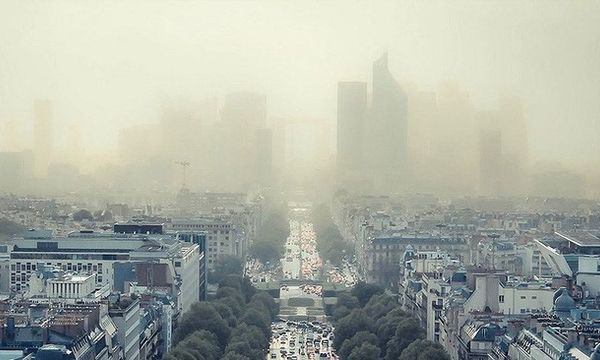
Hanoi and Ho Chi Minh City, Vietnam's two largest cities, are facing extremely serious environmental problems due to rapid urbanization and rising population density. Environmental pollution and climate change are becoming enormous challenges, directly affecting the health and quality of life of residents.
The greenhouse gas (GHG) emissions monitoring report for Ho Chi Minh City and Hanoi, published by the Japan International Cooperation Agency (JICA), shows that greenhouse gas emissions from Ho Chi Minh City alone reached 60 million tonnes per year, according to the most recent research findings published in 2023 by the Institute for Environment and Resources (Vietnam National University Ho Chi Minh City).
According to 2022 data from Vietnam's National Center for Hydro-Meteorological Forecasting, the annual average PM2.5 fine dust index in Hanoi was 49 μg/m³ in traffic areas and 46 μg/m³ in general urban areas. This figure is much higher than the national limit (25 μg/m³) and the 2021 WHO limit (5 μg/m³). In Ho Chi Minh City, the annual average PM2.5 index was also high, reaching 26,946 μg/m³.
The impact of greenhouse gases on Vietnam
PM2.5 fine dust is one of the main causes of air pollution, directly affecting human health. Scientific studies have shown that PM2.5 can cause many serious health problems, including respiratory diseases such as pneumonia, asthma, lung deterioration, and even cancer. In addition, PM2.5 also affects mental health, causing stress, anxiety, depression and sleep disorders.
Awareness among the community, businesses and citizens regarding reducing GHG emissions and responding to climate change remains limited. Therefore, everyone's joint effort is needed to protect the environment and build a sustainable future.
Vietnam Needs to Step Up Greenhouse Gas Emission Reductions
To address climate change and reduce greenhouse gas emissions, Vietnam is focusing on developing and using renewable energy sources, especially solar energy. Ho Chi Minh City and Hanoi: two large cities with high population density and rapid development, are also the places with the highest greenhouse gas emissions in the country. Therefore, reducing emissions here plays an extremely important role.
Greenhouse gas reduction projects
Urban planning: Building smart urban areas, using energy efficiently, developing public transportation.
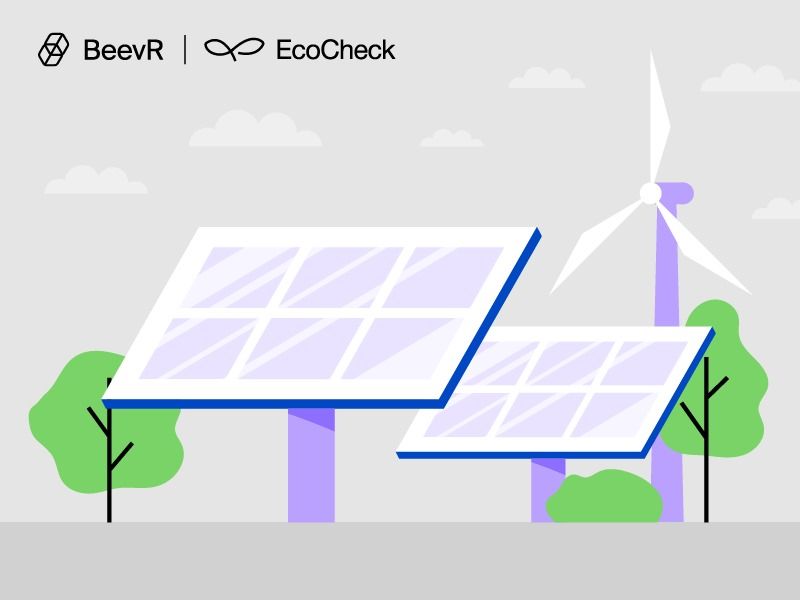
Energy: Developing solar and wind power plants, using renewable energy in production and daily life.
Transportation: Encouraging the use of public transportation, electric vehicles and bicycles.
Industry: Applying cleaner production technologies, reducing industrial emissions.
Water management: Treating wastewater efficiently, reusing water.
Waste management: Sorting waste, recycling and treating waste hygienically.
Construction: Using environmentally friendly, energy-saving building materials.
Healthcare: Using energy-saving medical equipment, limiting medical waste.
Agriculture: Applying sustainable farming methods, reducing the use of chemical fertilizers and pesticides.
Tourism: Developing ecotourism, protecting the environment.
Ho Chi Minh City
Objective: Ho Chi Minh City is one of five cities that have carried out a full inventory of greenhouse gas emission sources and is expected to be the locality leading the way in controlling sources of greenhouse gas emissions.
The 2018-2023 period: The Environmental Protection Agency and the Department of Natural Resources and Environment of Ho Chi Minh City proposed policies and implemented pilot measures to reduce greenhouse gases in the transportation, energy and construction sectors.
In 2022: The project was expanded, supporting the planning and implementation of greenhouse gas reduction activities. Guidelines on greenhouse gas management and inventory procedures were developed, helping the city carry out inventory work effectively.
Hanoi
The City People's Committee: Assigned the Department of Natural Resources and Environment to continue compiling statistics on greenhouse gas emissions in the energy, agriculture and industry sectors.
Action program: Implementing a cleaner production action program in industry; an energy-saving program; and guiding key energy-using facilities to fulfill their responsibilities under the Law on Economical and Efficient Use of Energy.
The role of each individual
Every citizen needs to raise their awareness of environmental protection, use energy sparingly, reduce waste, and join hands with the government and organizations to protect the environment and public health in the face of climate change.
The Importance of Greenhouse Gas Inventory
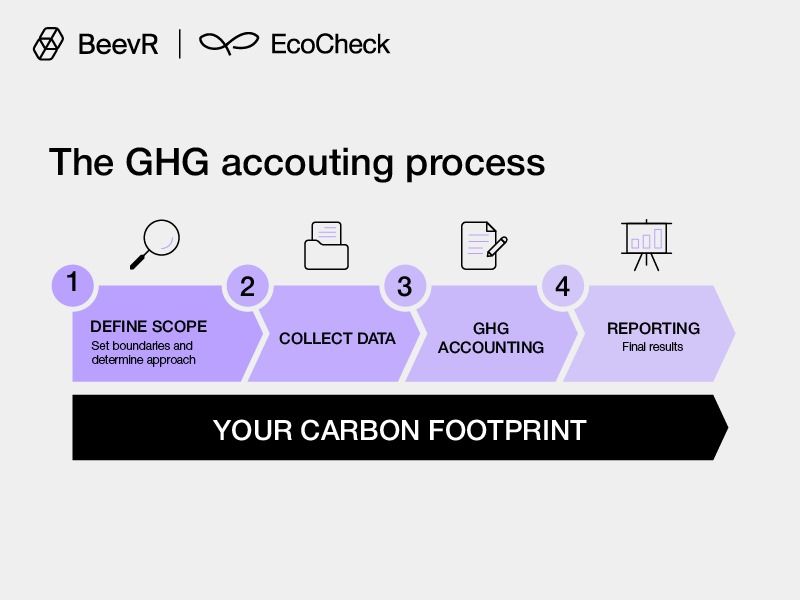
Greenhouse gas inventory plays a key role in identifying and measuring greenhouse gas emissions from different sources, helping countries and businesses build effective strategies to control and reduce emissions, contributing to the global joint effort against climate change.
Recognizing the importance of reducing greenhouse gases for socio-economic development, Vietnam has demonstrated a strong commitment by actively participating in international agreements on climate change. Specifically:
Signed the Climate Convention in 1992 and ratified it in 1994.
Signed the Kyoto Protocol in 1998 and ratified it in 2002.
Established a National Steering Committee for the implementation of the Climate Convention and the Kyoto Protocol.
Submitted to the Secretariat of the Climate Convention the First National Communication (2003) and the Second National Communication (2010).
The First Biennial Update Report (2014). These reports reflect Vietnam's efforts in responding to climate change and carrying out greenhouse gas inventories.
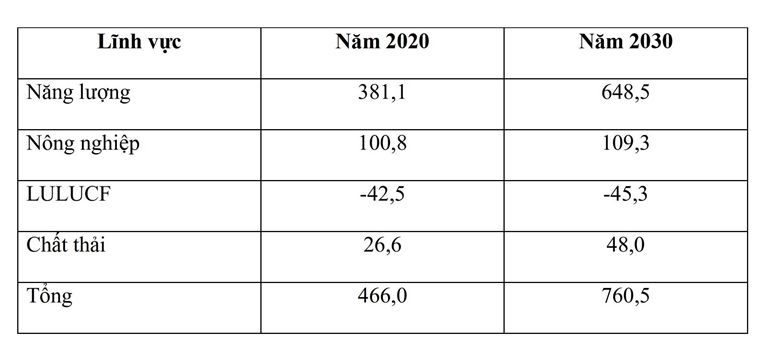
Within the framework of the United Nations Framework Convention on Climate Change, Vietnam has provided estimates of greenhouse gas emissions from 2020 to 2030 as follows:
Why Choose EcoCheck's Greenhouse Gas Inventory Service?
EcoCheck provides professional greenhouse gas inventory services, helping businesses and organizations:
Accurately assess greenhouse gas emissions.
Provide effective emission reduction solutions.
Comply with international environmental protection regulations and standards.
Understanding greenhouse gases and the importance of greenhouse gas inventory is the first step toward being able to take action and reduce the impacts of climate change. If you need support with greenhouse gas inventory, please contact EcoCheck for professional advice and support.
>>> See more: EcoCheck greenhouse gas inventory service
CONTACT INFORMATION:
BeevR Technology Co., Ltd.
Address:
Hanoi office: 125 Hoang Ngan, Trung Kinh, Cau Giay, Hanoi
Hotline: 037.6869.366
Email: [email protected]
Website: https://ecocheck.ai/