Overview of climate change and the urgent need for international agreements and commitments on climate change
International agreements and commitments on climate change
The Kyoto Protocol (1997): The first step in the journey of global emission reduction
Other international agreements and commitments on climate change
Climate change commitments in Vietnam
Implementing climate change commitments: Challenges and opportunities
International agreements and commitments on climate change
Overview of climate change and the urgent need for international agreements and commitments on climate change
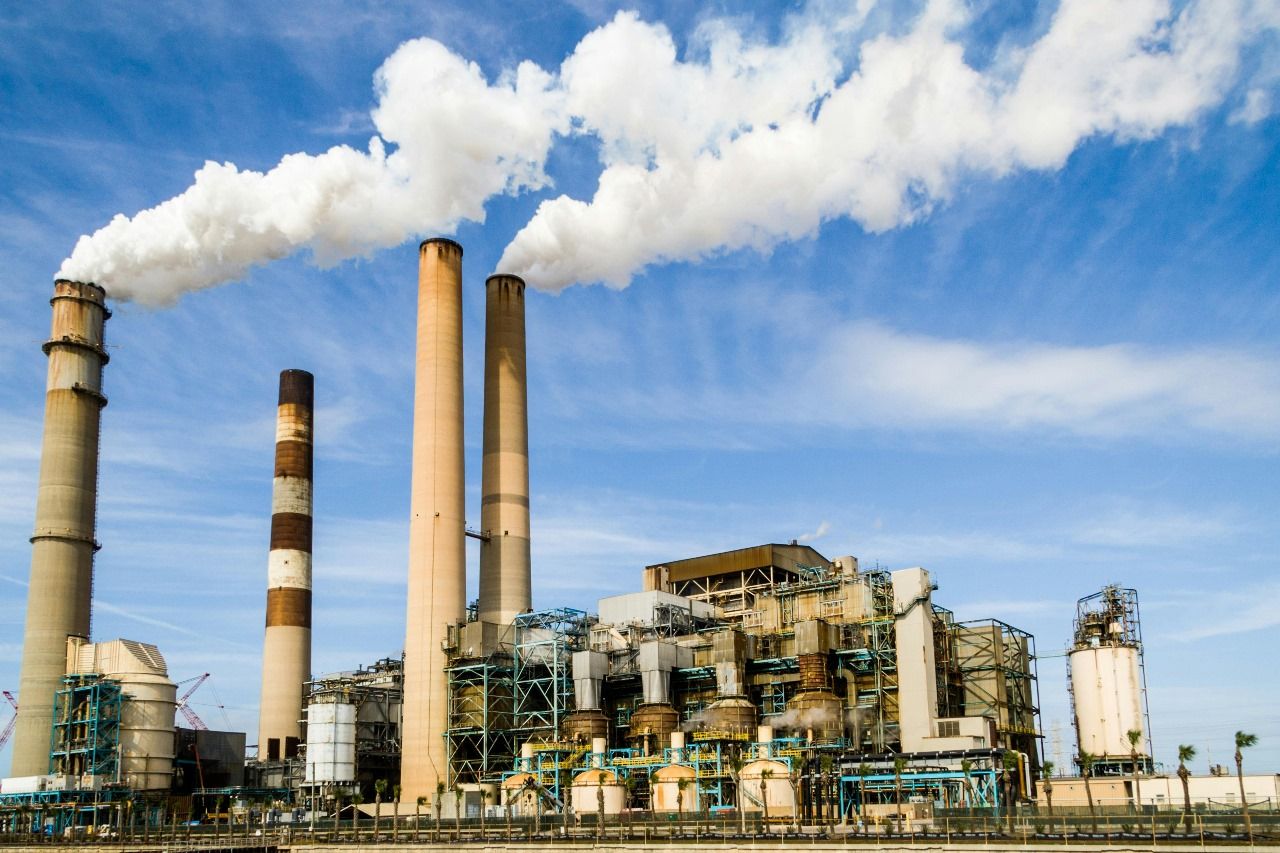
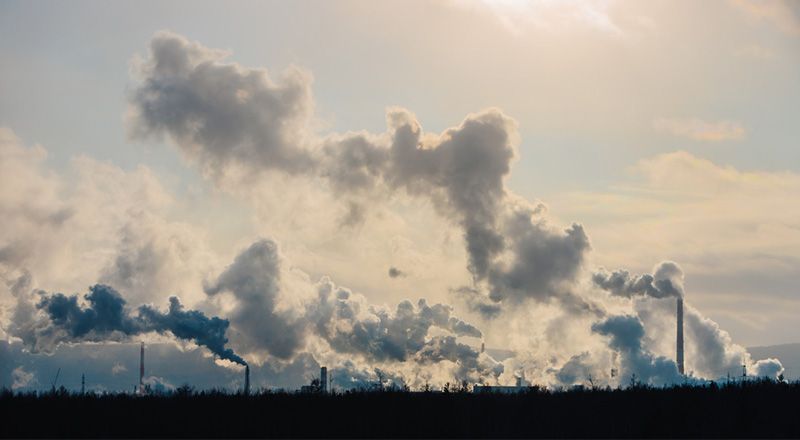
Climate change is not only an environmental issue but also a global challenge, affecting every aspect of economic and social life and national security. From more powerful storms to prolonged droughts, these phenomena have left millions of people homeless, degraded agriculture, and placed a heavy burden on health and economic systems. To address this challenge, the international community has come together to negotiate and sign international agreements and commitments on climate change aimed at mitigating the impact of climate change on the world.
International agreements and commitments on climate change
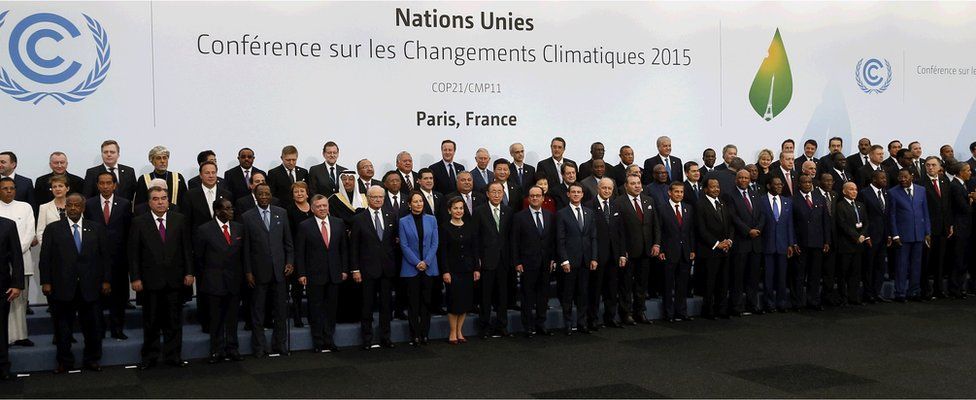
The Paris Agreement (2015) and the shift in the global approach
The Paris Agreement was adopted at the 21st Conference of the Parties to the United Nations Framework Convention on Climate Change (COP21) in December 2015, marking a turning point in global efforts to control climate change. Unlike the Kyoto Protocol, the Paris Agreement applies to all countries, both developed and developing, requiring them to contribute to reducing greenhouse gas (GHG) emissions.
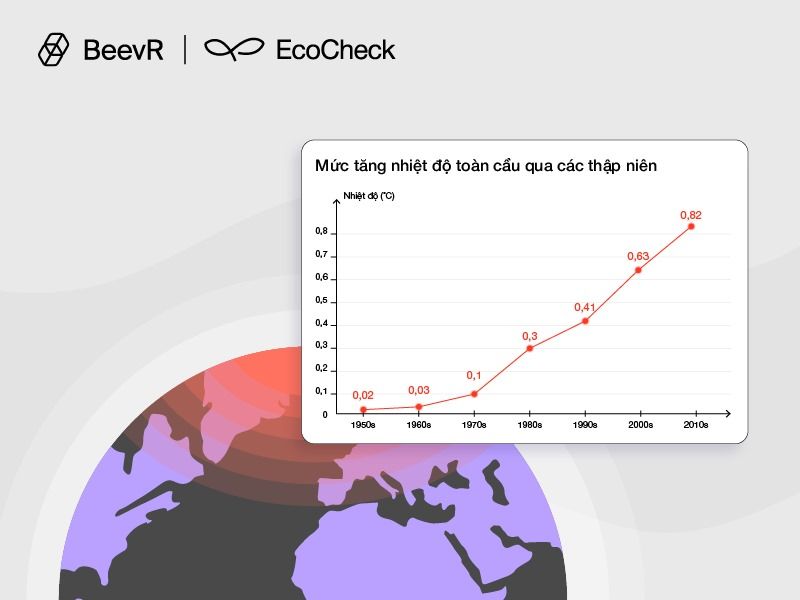
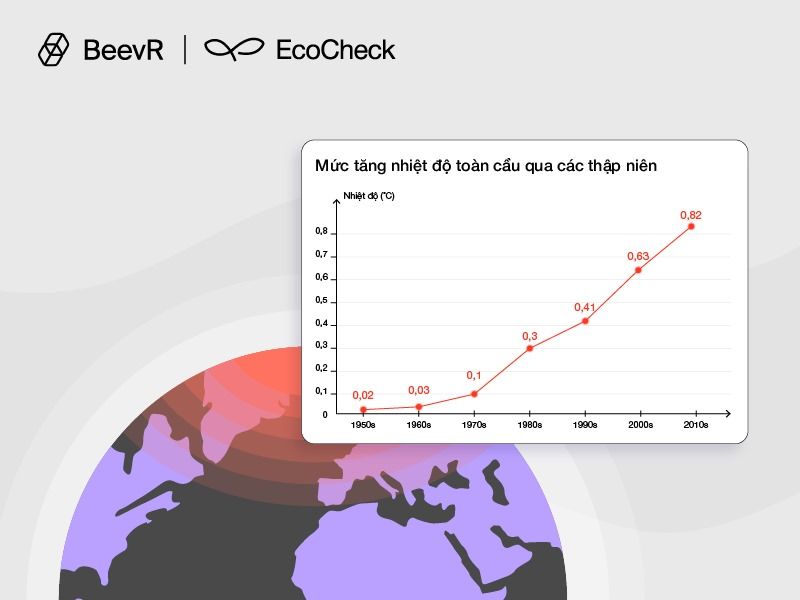
The Paris Agreement sets the goal of keeping the global temperature increase below 2°C compared to pre-industrial levels, while striving to limit this increase to 1.5°C. This is an ambitious goal, as a study by the World Meteorological Organization (WMO) has shown that if current emission trends continue, global temperatures could rise by an additional 3-4°C by the end of this century.
Each country participating in the Paris Agreement must submit and implement Nationally Determined Contributions (NDCs), which clearly state their GHG emission reduction targets and specific measures to achieve those targets. Notably, countries must update their NDCs every 5 years, with a commitment to raise their level of ambition.
Developed countries committed to providing USD 100 billion per year by 2020 to support developing countries in reducing emissions and adapting to climate change. However, according to a United Nations committee report, this amount has not been fully delivered, and developed countries still need to make greater efforts to achieve this financial target.
The Kyoto Protocol (1997): The first step in the journey of global emission reduction
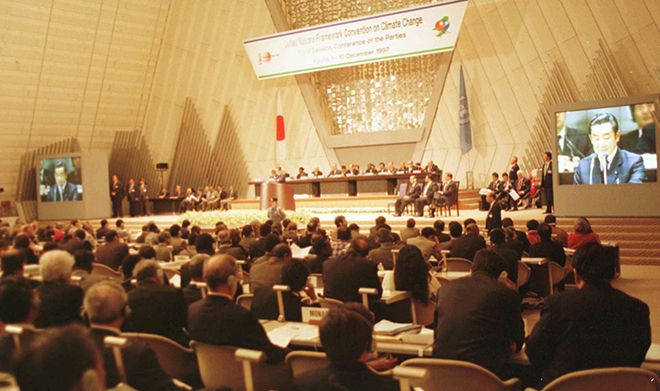
The Kyoto Protocol was adopted in 1997 at the 3rd Conference of the Parties to the UNFCCC (COP3), and was the first international agreement to set legally binding targets for reducing greenhouse gas emissions for industrialized countries.
The Protocol required 37 industrialized countries and the European Union to reduce GHG emissions by an average of about 5% compared to 1990 emission levels, during the commitment period from 2008 to 2012. Although this was an important step forward, the protocol was criticized for not including developing countries, where GHG emissions were rising rapidly.
The Kyoto Protocol (1997): The first step in the journey of global emission reduction
The Kyoto Protocol also established flexible mechanisms such as the Clean Development Mechanism (CDM), which allows developed countries to invest in emission reduction projects in developing countries and receive emission credits in return.
Other international agreements and commitments on climate change
In addition to the Paris Agreement and the Kyoto Protocol, there are many other international agreements and commitments on climate change that play an important role in the fight against global warming:
- The United Nations Framework Convention on Climate Change (UNFCCC): Adopted at the Rio de Janeiro Earth Summit in 1992, the UNFCCC is the foundation of all subsequent climate change agreements. This convention affirms that countries have common but differentiated responsibilities in addressing climate change, meaning that developed countries must lead in reducing GHG emissions.
- The United Nations agreement on biodiversity beyond national jurisdiction, or the BBNJ Agreement (High Seas Treaty): Adopted in 2023, this treaty focuses on protecting the ocean and marine ecosystems from the impacts of climate change. This is an international effort to protect international marine areas, which play an important role in absorbing CO2 and regulating the global climate.
Climate change commitments in Vietnam
Vietnam, a country with a long coastline and heavily dependent on agriculture, is one of the countries most vulnerable to climate change. Recognizing this risk, Vietnam has actively participated in international agreements and made many commitments to mitigate the impact of climate change.
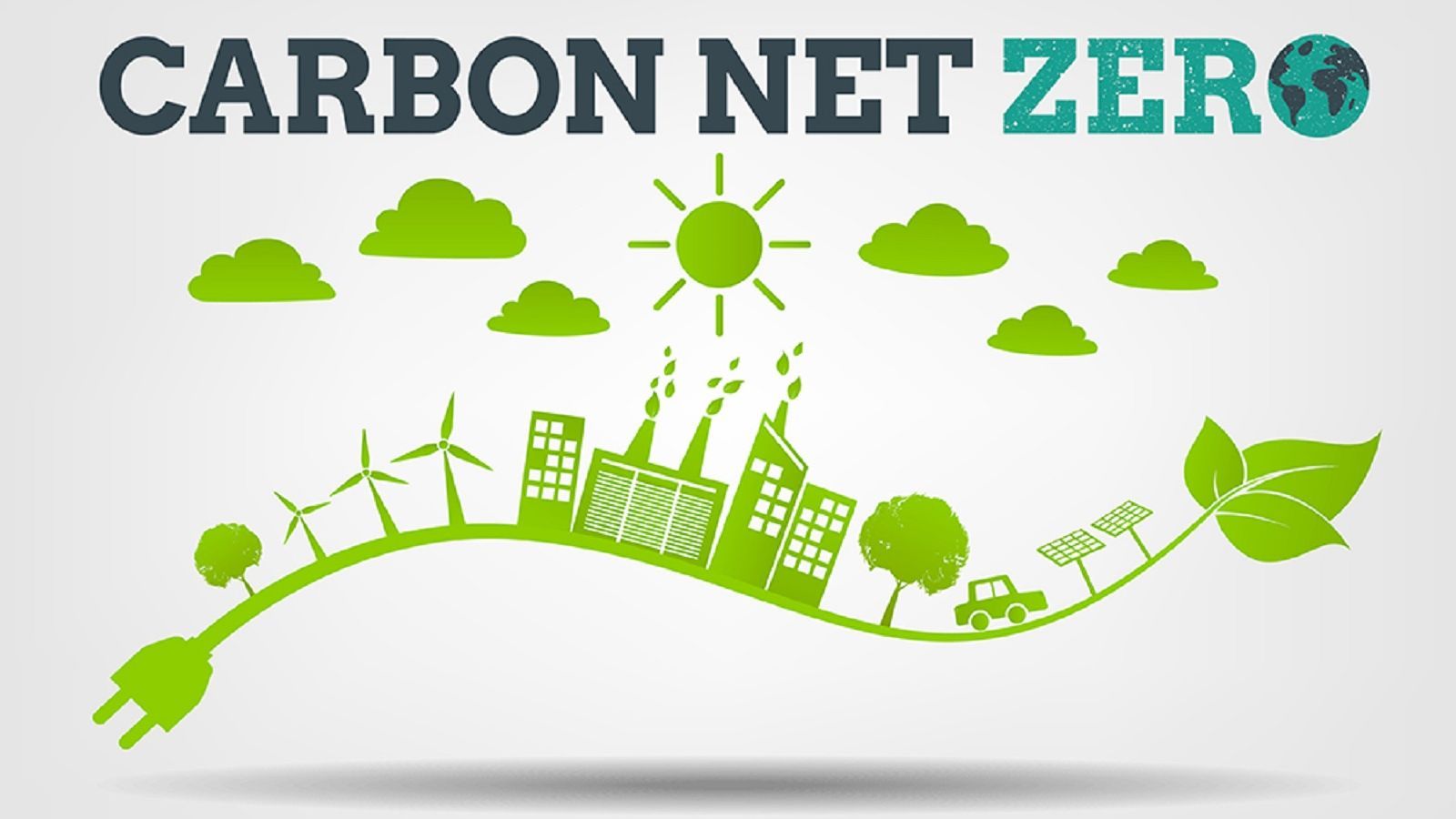
- Commitment at COP26 (2021): At the COP26 Conference in Glasgow, Prime Minister Pham Minh Chinh announced that Vietnam commits to achieving net zero emissions by 2050. This is a strong commitment, demonstrating Vietnam's determination to join global efforts to combat climate change.
- Vietnam's NDC plan: Vietnam submitted its updated Nationally Determined Contribution (NDC) plan in 2020, in which it set a target of reducing total GHG emissions by 9% by 2030 compared to the business-as-usual (BAU) scenario, which could increase to 27% if it receives international support. Vietnam also focuses on energy transition, improving energy efficiency, and forest protection.
- The Law on Environmental Protection (2020): This law introduces new regulations on controlling GHG emissions, developing renewable energy, and promoting the circular economy. This is an important legal basis that helps Vietnam fulfill its international commitments on climate change.
Implementing climate change commitments: Challenges and opportunities
Although many agreements and commitments have been signed, implementing the set targets still faces numerous challenges:
- Financial shortfalls: Many developing countries, including Vietnam, still face difficulties in mobilizing finance to implement emission reduction measures and adapt to climate change. This requires greater support from developed countries and international organizations.
- Adaptive capacity: Despite clear commitments, effective implementation remains a major issue. Countries need to build risk management systems and adapt to climate change, especially in areas such as agriculture, health, and infrastructure.
- Green economy opportunities: However, climate change also creates new opportunities for green and sustainable economic development. Investing in renewable energy, clean technology, and the circular economy can help countries not only reduce emissions but also promote economic growth.
International agreements and commitments on climate change play an important role in bringing together global efforts to address one of humanity's greatest challenges. With strong commitments from countries, including Vietnam, the international community can achieve significant progress in the fight against climate change. However, to achieve the set targets, there needs to be close cooperation, sufficiently strong financial resources, and political will from all participating parties.
CONTACT INFORMATION:
BeevR Technology Company Limited
Address:
Hanoi Office: 125 Hoang Ngan, Trung Kinh, Cau Giay, Hanoi
Hotline: 037.6869.366
Email: [email protected]
Website: https://ecocheck.ai/