What is the circular economy?
The basic principles of the circular economy
Benefits of the circular economy
Successful examples of circular economy adoption
Vietnam in the circular economy
Circular Economy: A Solution for Sustainable Development
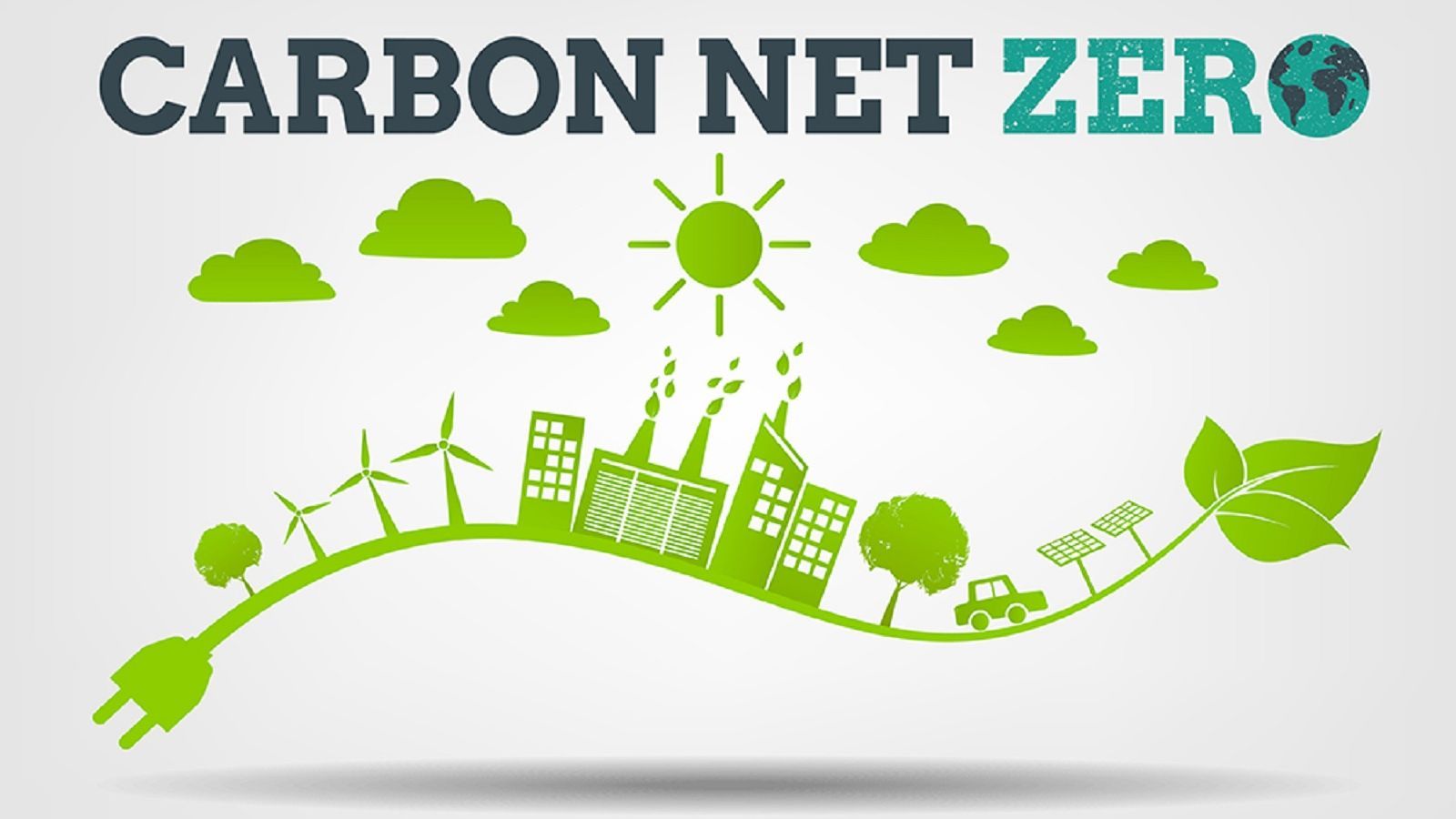
Amid increasingly depleted resources and an environment under heavy pressure from production and consumption activities, the circular economy model has emerged as a breakthrough solution for sustainable development. The circular economy not only helps minimize waste but also creates a closed loop, contributing to environmental protection and promoting long-term economic development.
What is the circular economy?
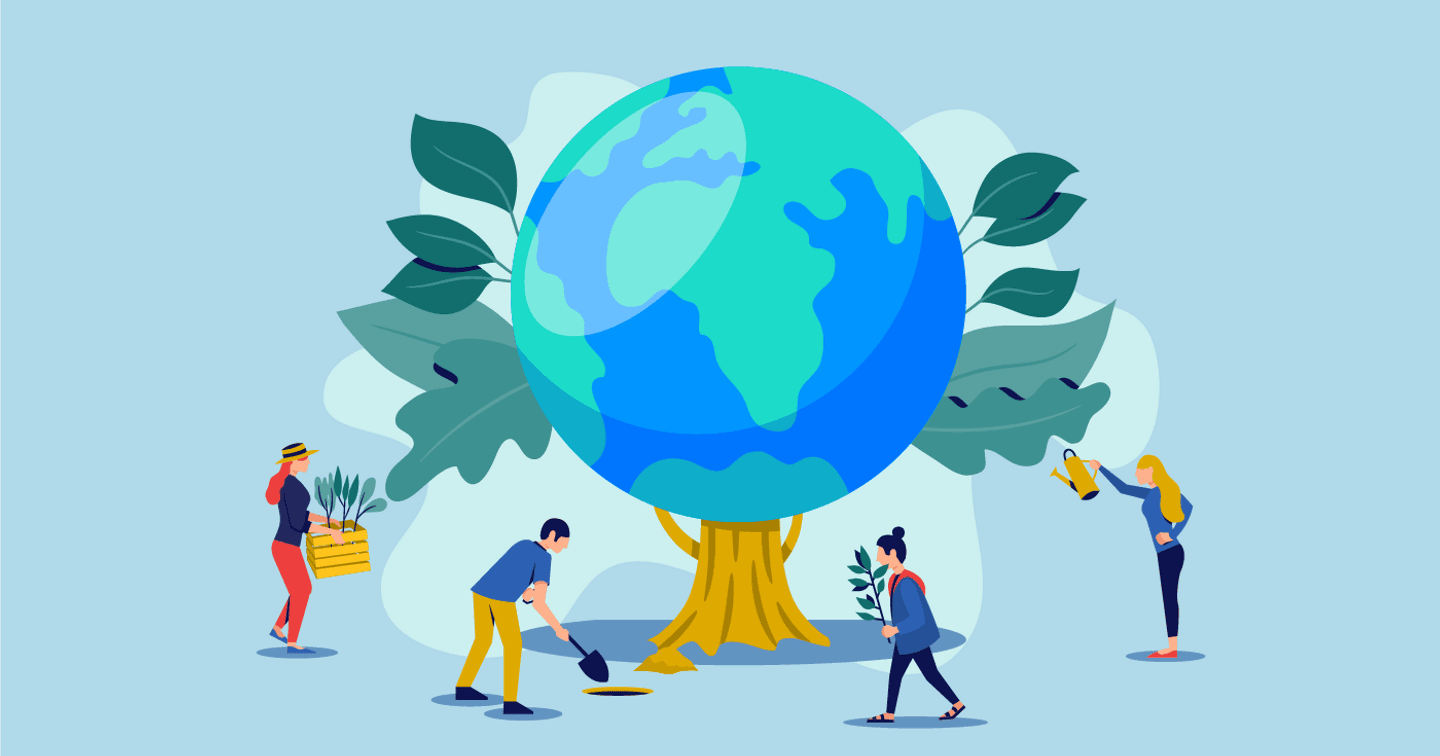
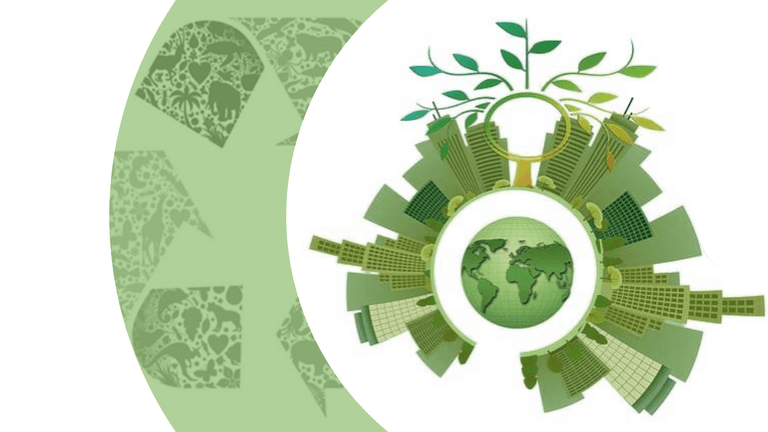
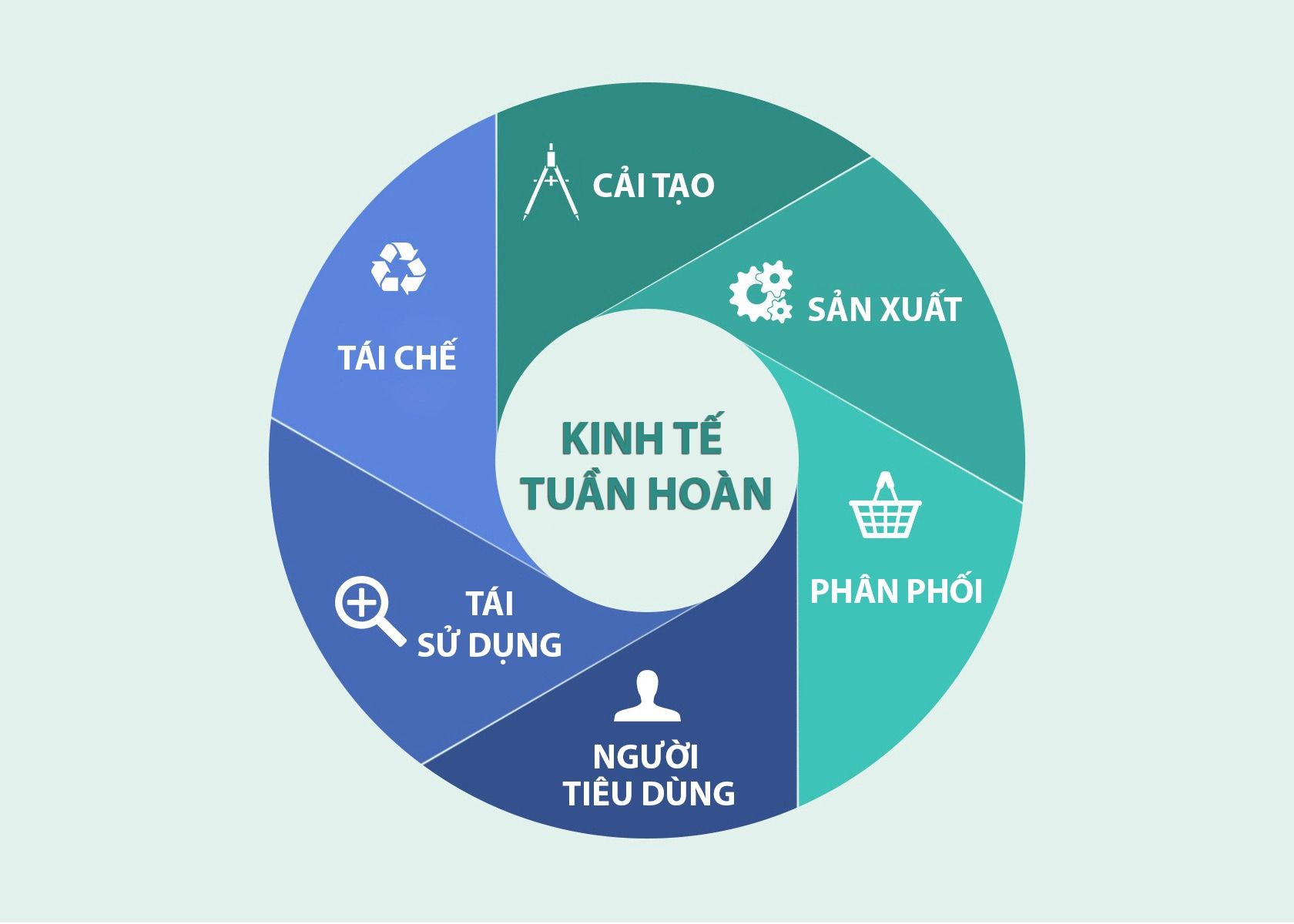
The circular economy is an economic model in which production, design, and service activities set the goal of extending the lifespan of materials and eliminating negative impacts on the environment. Unlike the traditional economic model, the circular economy model focuses on managing and regenerating resources in a closed loop to avoid generating waste, rather than concentrating on extracting resources, producing, and discarding after consumption.
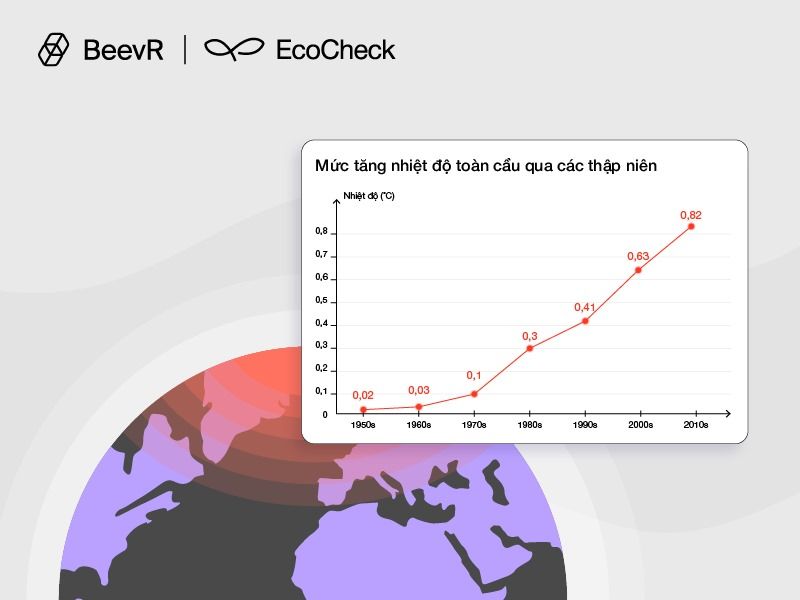
The transition to a circular economy opens up a great opportunity for sustainable development, not only to achieve the three major principles of economy, society, and environment, but also to respond to climate change.
What is the circular economy?
The basic principles of the circular economy
- Minimize and eliminate waste and pollutants as much as possible
The first principle of the circular economy is to minimize and eliminate waste as well as pollutants as much as possible. The goal is to create a system where waste is reduced to a minimum, and pollutants are effectively controlled.
Implementation methods:
- Sustainable design: Products and production processes should be designed to optimize biological and chemical components so that they can be reintroduced for reuse in a new cycle. This means components can be separated and reused to create new value.
- Optimizing production processes: Improving production processes to use materials and energy efficiently, while reducing emissions and environmental pollution
- Extend the service life of products and materials
The second principle is to extend the service life of products and the lifecycle of materials. This means that products and materials need to be designed to last longer and be easily repaired, upgraded, or recycled.
Implementation methods:
- Sustainable and repairable design: Products should be designed to be easy to repair and upgrade. This not only extends the lifespan of the product but also helps reduce the amount of waste.
- Developing service-based business models: Instead of selling products, companies can offer leasing or maintenance services for products, helping to keep products in their usage lifecycle longer.
- Regenerate natural systems
The final principle is to regenerate natural systems. This focuses on restoring and maintaining the balance of natural ecosystems, thereby supporting biological cycles and living environments.
Implementation methods:
- Ecosystem restoration: Carrying out environmental restoration projects, such as reforestation, protecting biodiversity areas, and rehabilitating degraded areas.
- Applying sustainable agriculture: Using sustainable agricultural methods to maintain the health of the soil and ecosystems, such as planting greenery and using natural fertilizers.
The basic principles of the circular economy
Benefits of the circular economy
Reducing environmental impact: The circular economy helps reduce waste and pollution by optimizing resource use and reducing greenhouse gas emissions. According to a report by the United Nations Environment Programme (UNEP), the transition to a circular economy can reduce solid waste by up to 70% and reduce greenhouse gas emissions by up to 50%.
Enhancing resource efficiency: By optimizing the use and recycling of resources, the circular economy model helps reduce the need to extract new natural resources, thereby reducing negative impacts on the environment. According to a study by the Ellen MacArthur Foundation, if the world adopted the circular economy model, we could save around 2.2 billion tonnes of raw materials each year.
Promoting innovation and creating jobs: The circular economy encourages businesses to develop new technologies and business models, thereby creating new job opportunities and driving innovation. According to a report by Accenture, adopting the circular economy could create up to 2 million new jobs in Europe by 2030.
Successful examples of circular economy adoption
Philips' "Made to Last" programme: Philips has implemented the circular economy model through its "Made to Last" programme, in which the company provides services instead of selling products. For example, instead of selling lighting fixtures, Philips offers lighting as a leased service. This not only helps reduce waste but also encourages the maintenance and reuse of products.
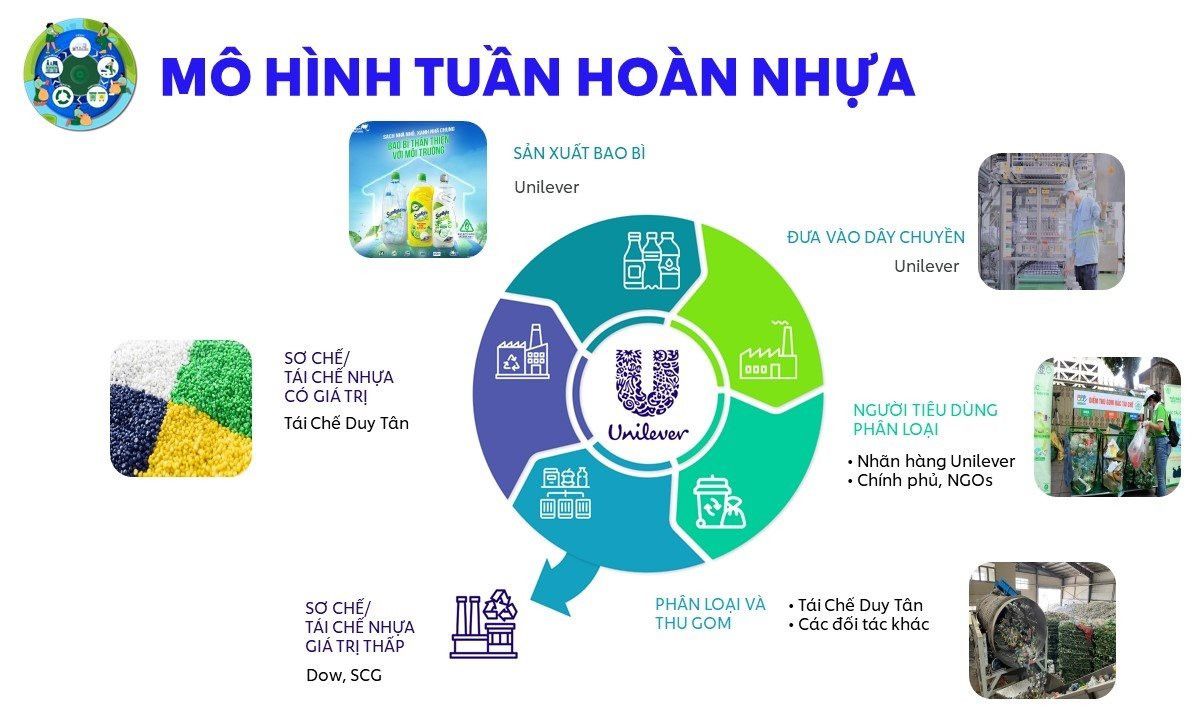
Unilever's recycling system: Unilever, one of the leading companies in the consumer goods industry, has adopted the circular economy model by using recycled materials in its product packaging and developing sustainable production processes. They have committed to using 100% recycled or recyclable packaging by 2025.
Successful examples of circular economy adoption
Vietnam in the circular economy
Vietnam is increasingly focusing on the circular economy model as part of its sustainable development strategy. The government and international organizations are cooperating to implement projects and policies to promote the circular economy.
National strategy on waste management: Vietnam has issued the National Strategy on Solid Waste Management to 2025, with the goal of developing a circular economy through effective recycling and waste treatment programmes.
Nestlé Vietnam's "Green Key" project: Nestlé Vietnam is implementing the "Green Key" project to promote recycling and reduce waste in the food industry. This project includes using recycled materials in packaging and reducing food waste.
Encouraging businesses to participate in the circular economy model: The government and non-governmental organizations are encouraging Vietnamese businesses to adopt the circular economy model through support and training programmes.
The circular economy is not only an effective solution to environmental and resource challenges, but also a driving force for sustainable economic development. By minimizing waste, optimizing resource use, and encouraging innovation, the circular economy model contributes to protecting the environment and building a sustainable economy. Vietnam, with its efforts and commitments in adopting this model, is on the path to becoming a leading example of global sustainable development.
CONTACT INFORMATION:
BeevR Technology Company Limited
Address:
Hanoi Office: 125 Hoang Ngan, Trung Kinh, Cau Giay, Hanoi
Hotline: 037.6869.366
Email: [email protected]
Website: https://ecocheck.ai/