Concept and principles of the circular economy model
The relationship between the circular economy and reducing greenhouse gas emissions
Strategies for applying the circular economy to reduce greenhouse gas emissions
Benefits of the circular economy in protecting resources
Applying the circular economy: challenges and solutions
Conclusion
The Role of the Circular Economy in Reducing Greenhouse Gas Emissions
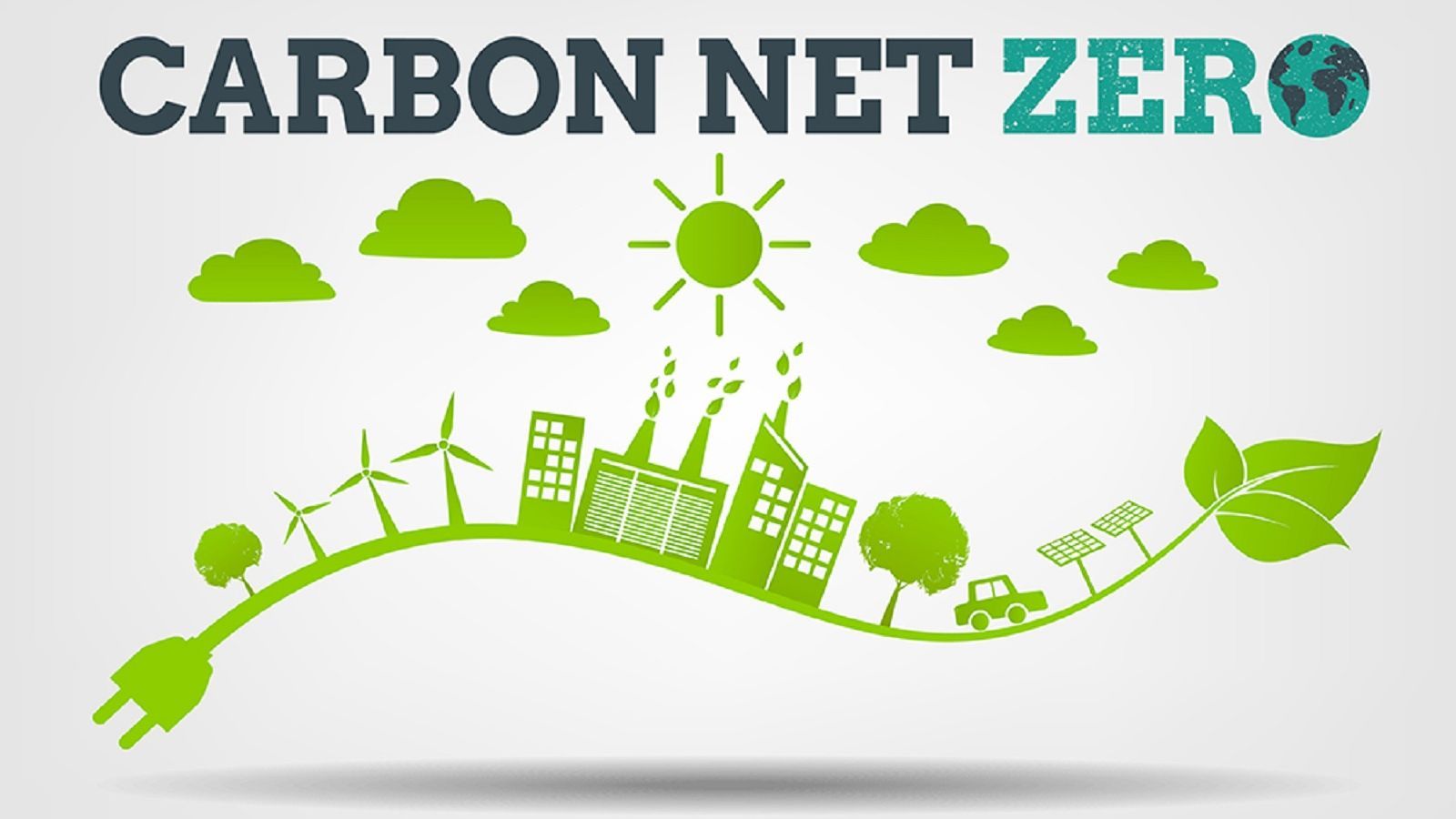
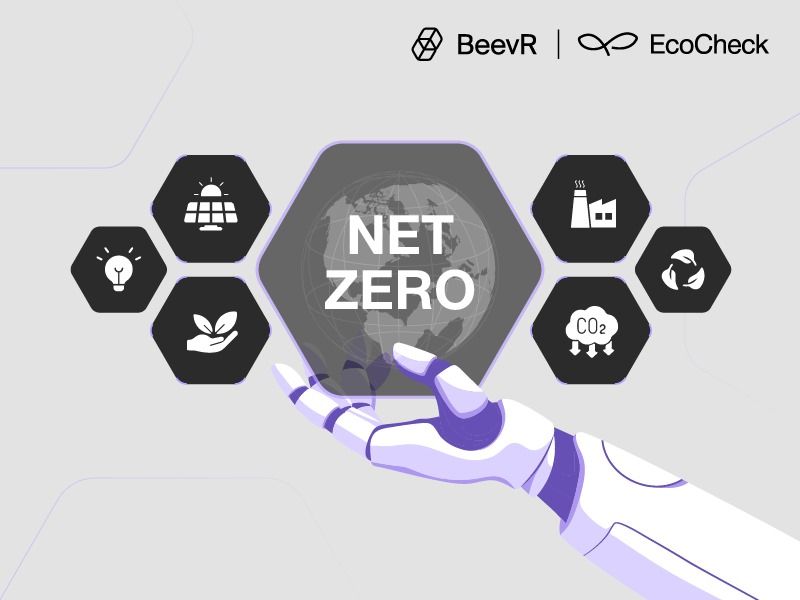
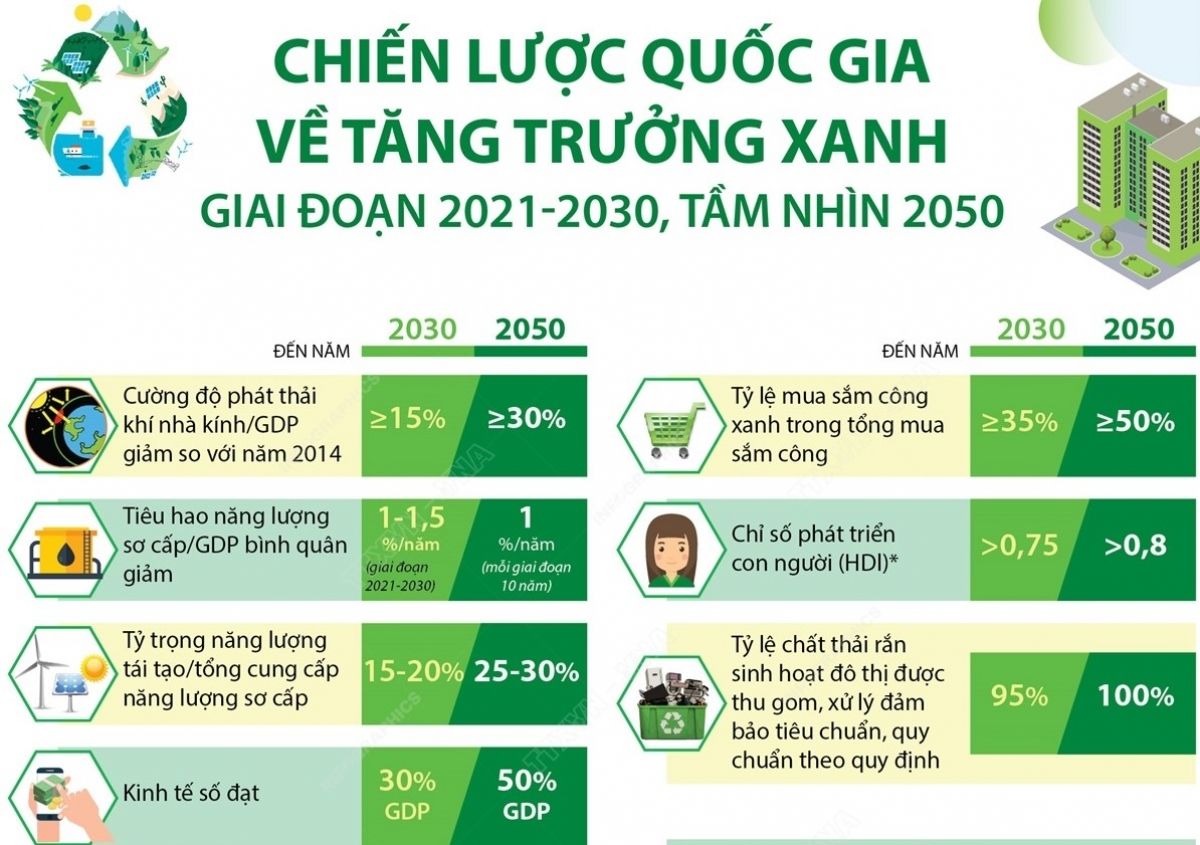
The government has set a target of achieving Net Zero emissions by 2050, while transitioning to renewable energy and building a low-carbon economy. To achieve this target, businesses have introduced many solutions to promote the development of the circular economy. The circular economy helps make use of used materials instead of incurring the cost of disposing of them, minimizes extraction, maximizes the use of natural resources, and minimizes waste and emissions released into the environment. Compared with the traditional economic model, driving action according to the circular economy model will accelerate the pace of greenhouse gas emission reductions, bringing many benefits to the nation and to businesses.
Concept and principles of the circular economy model
The circular economy is an economic model in which all resources and products are reused and recycled to the maximum extent, instead of being discarded as in the traditional linear economic model (production - consumption - disposal). The goal of the circular economy is to extend the lifecycle of products, minimize waste, and optimize the use of natural resources.
The basic principles of the circular economy include:
- Sustainable product design: Products are designed so that they can be easily repaired, reused, or recycled.
- Recycling and reuse: Materials, after use, are not discarded but are put into a recycling process or reused for other purposes.
- Waste minimization: Every production and consumption process aims to minimize waste to the greatest extent possible.

The relationship between the circular economy and reducing greenhouse gas emissions
The relationship between the circular economy and reducing greenhouse gas emissions is a mutually supportive one. When the circular economy is applied, the demand for new raw materials decreases, thereby reducing the amount of energy needed for extracting, transporting, and processing materials. This directly reduces greenhouse gas emissions, as these processes typically involve the use of fossil fuels.
For example, in the fashion industry - one of the industries with high greenhouse gas emissions - applying the circular economy model through recycling and reusing fabrics has helped reduce a large amount of emissions. Similarly, in manufacturing, using recycled materials instead of new raw materials has helped significantly reduce CO2 emissions.
Strategies for applying the circular economy to reduce greenhouse gas emissions
Applying the circular economy to reduce greenhouse gas emissions can be carried out through many different strategies:
- Sustainable product design: A sustainably designed product not only has a longer lifespan but is also easy to repair and recycle, thereby reducing the need for new production and reducing greenhouse gas emissions.
- Effective waste management: The process of recycling and reusing materials not only helps reduce the amount of waste but also reduces greenhouse gas emissions by limiting the incineration or landfilling of waste, two activities that typically generate CO2 and methane (CH4).
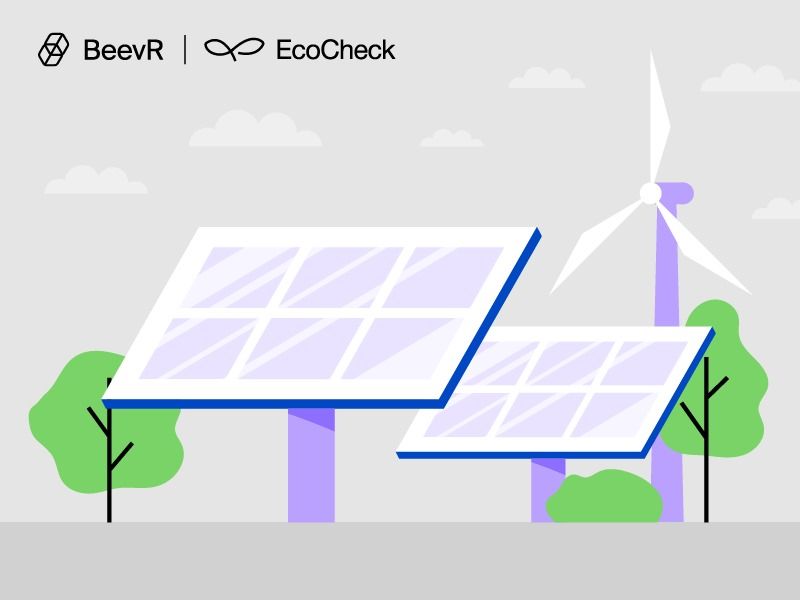
- Using renewable energy: An important element of the circular economy is the use of renewable energy instead of fossil fuels. Solar, wind, and biomass energy not only reduce greenhouse gas emissions but also reduce dependence on non-renewable natural resources.
Benefits of the circular economy in protecting resources
The circular economy is beneficial not only in reducing greenhouse gas emissions but also in protecting natural resources. When resources are reused and recycled, the need to extract new resources decreases, thereby protecting the environment and ecosystems.
By minimizing waste, the circular economy also helps reduce environmental pollution. Natural ecosystems, such as forests, seas, and rivers, are protected from the negative impacts of over-exploitation and pollution.
Applying the circular economy: challenges and solutions
Despite its many benefits, applying the circular economy still faces many challenges:
- High initial investment costs: Transitioning from a linear economy to a circular economy requires large initial investment costs for technology and infrastructure.
- Changing consumption habits: Consumers need to change their consumption habits to prioritize sustainable and environmentally friendly products.
- Policy and law: Support from the government is needed through incentive policies and strict laws to promote the circular economy.
Solutions include strengthening research and development of green technology, raising public awareness of the benefits of the circular economy, and promoting international cooperation in developing sustainable economic models.
Conclusion
The circular economy is a sustainable economic model that not only helps reduce greenhouse gas emissions but also protects precious natural resources. Applying this model requires change not only from businesses but also from the community and the government. To achieve this goal, we need to work together and invest in innovative solutions, thereby building a greener, cleaner future for generations to come.