Question 1: What is a greenhouse gas inventory?
Question 2: Is a greenhouse gas inventory mandatory?
Question 3: Why is a greenhouse gas inventory necessary?
Question 4: Which sectors are required to conduct a greenhouse gas inventory?
Question 5: What information needs to be collected for a greenhouse gas inventory?
Question 6: What is the process for conducting a greenhouse gas inventory?
Question 7: Where is the greenhouse gas inventory report submitted?
Question 8: Which standards relate to greenhouse gas inventory?
Question 9: How much does it cost to conduct a greenhouse gas inventory?
Question 10: What penalties apply if the greenhouse gas inventory and inventory report are not carried out?
Question 11: Which organization provides reputable greenhouse gas inventory guidance services?
Frequently Asked Questions About Greenhouse Gas Inventory
Greenhouse gas (GHG) inventory has become a keyword that businesses have paid close attention to recently. This article answers related questions so that businesses can understand the definition, responsibilities and process of conducting a greenhouse gas inventory.
Question 1: What is a greenhouse gas inventory?
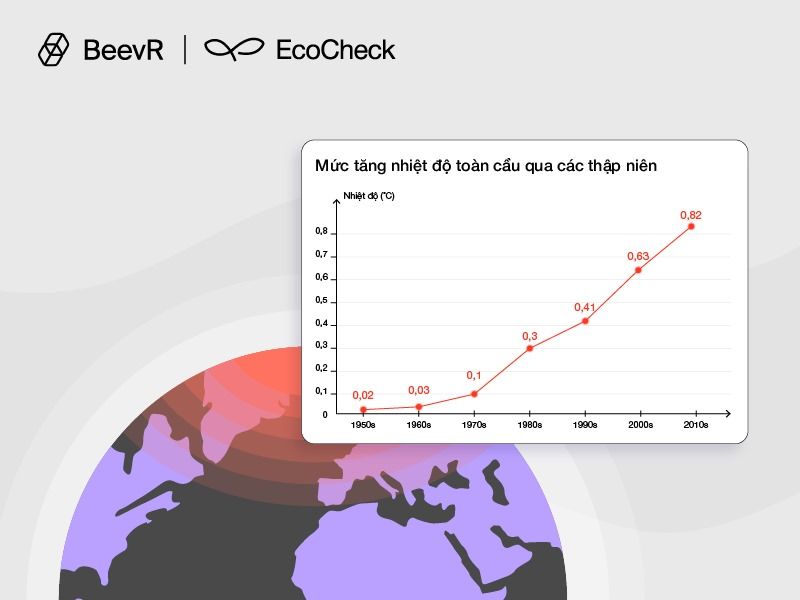
Answer: A greenhouse gas (GHG) inventory is the activity of collecting information and data on greenhouse gas emission sources and calculating greenhouse gas emissions and removals within a defined scope and for a specific year, in accordance with the methods and procedures issued by the competent authority.
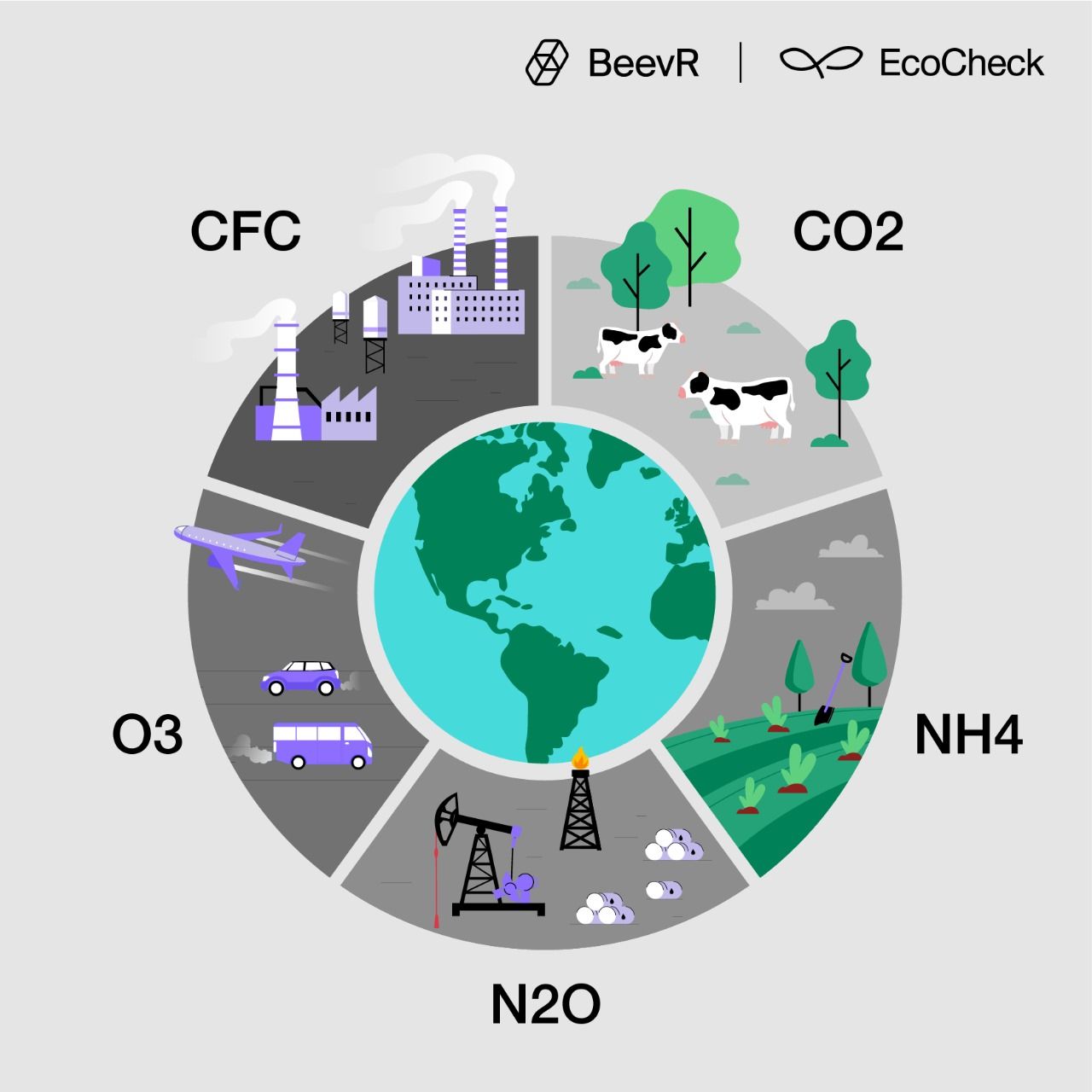
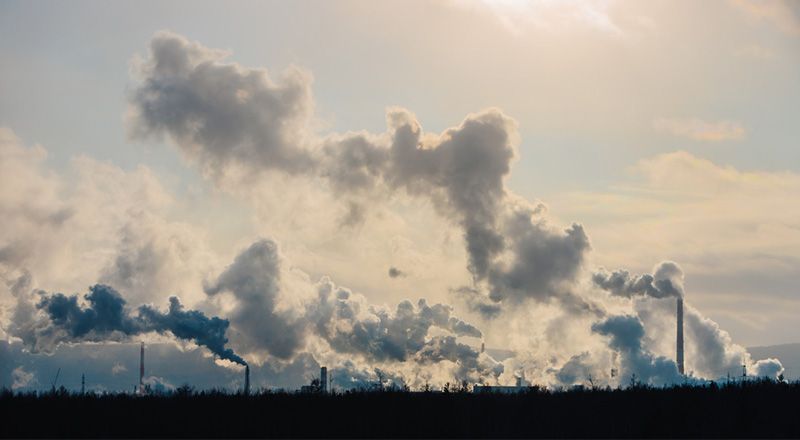
The main types of greenhouse gases.
Question 2: Is a greenhouse gas inventory mandatory?
A greenhouse gas inventory is mandatory under Decree 06/2022/ND-CP and Decision No. 01/2022/QD-TTg. These specify 06 groups that must conduct a greenhouse gas inventory, and the accompanying list names 1,912 facilities (businesses) that must carry out the inventory and submit their greenhouse gas inventory report to the state management agency for their respective sector.
Question 3: Why is a greenhouse gas inventory necessary?
Answer: Conducting a GHG Inventory is the process of measuring, calculating and reporting greenhouse gas emissions from the activities of an organization or country. This plays an important role in environmental management and sustainable development strategies. Below are the reasons why a greenhouse gas inventory is necessary:
1. Meeting legal and international requirements
- Compliance with legal regulations: Many countries require businesses to report their emissions to ensure compliance with environmental laws.
- International commitments: Meeting commitments under international agreements such as the Paris Agreement on climate change to reduce global emissions.
2. Managing and reducing emissions
- Identifying emission sources: The inventory helps an organization identify its main emission sources (Scope 1, 2, and 3).
- Building a reduction strategy: Based on inventory data, an organization can set targets and develop specific emission reduction plans, optimizing operations to cut energy and resource costs.
3. Enhancing brand reputation and image
- Corporate social responsibility (CSR): Demonstrating the business's commitment to environmental issues, helping to enhance its brand image and reputation.
- Transparency with customers and investors: Reliable emissions reporting helps build trust from customers, partners and investors, especially organizations with ESG (Environmental, Social, Governance) standards.
4. Saving costs and improving operational efficiency
- Optimizing energy use: Inventory data helps businesses recognize opportunities to save energy and resources, thereby reducing operating costs.
- Detecting waste: A greenhouse gas inventory helps detect resource-wasting processes and propose corrective measures.
5. Preparing for the carbon market and carbon credit mechanisms
- Participating in the carbon market: Businesses can sell carbon credits if they reduce emissions beyond their targets, or take part in carbon offset programs.
- Avoiding carbon cost risks: As more and more countries apply carbon taxes, measuring and managing emissions early will help businesses minimize financial risks.
6. Supporting innovation and sustainable development
- Promoting technological innovation: Businesses can invest in cleaner technologies to reduce emissions, creating a competitive advantage.
- Sustainable development: A greenhouse gas inventory is the foundation for building long-term sustainable development strategies that protect the environment and communities.
7. Increasing global competitiveness
- Meeting international standards: Many international partners require businesses to provide emissions data to ensure compliance with environmental regulations across the supply chain.
- Accessing new markets: Businesses that comply well with emission standards can more easily expand into international markets.
Question 4: Which sectors are required to conduct a greenhouse gas inventory?
Answer: The sectors required to conduct a greenhouse gas inventory include the major emission sources:
The sectors required to conduct a greenhouse gas inventory include the major emission sources.
Energy: Energy consumption and production in industry, services, commerce and residential use; extraction of resources such as oil, natural gas and coal.
Energy: Energy consumption and production in industry, services, commerce and residential use; extraction of resources such as oil, natural gas and coal.
Transportation: Emissions from the use of energy in transportation activities.
Construction: Industrial processes for producing construction materials and energy consumption in the construction industry.
Industrial processes: Metallurgy, chemical production, and the electronics industry; use of substitutes for ozone-depleting substances; production of other industrial products.
Agriculture, forestry and land use: Emission sources from livestock farming, cultivation, forestry, and land-use change; energy consumption in fisheries, agriculture and forestry, and other emission sources in agriculture.
Waste: Emissions from landfills, biological treatment of solid waste, incineration and open burning; wastewater treatment and discharge.
Question 5: What information needs to be collected for a greenhouse gas inventory?
Answer: To conduct an effective greenhouse gas inventory, businesses need to collect the following important data:
- Raw material inputs: Including the volume, quantity and types of raw materials used in the production process.
- Energy consumption: Including water, electricity, fossil fuels (oil, coal, gas) and other energy sources used in business and production activities.
- Waste generation: Including the volume, quantity and types of waste generated during business and production activities.
- Greenhouse gas emission factors applied to each specific emission source.
- Inventory scope: The emission sources included in the inventory calculations need to be clearly defined.
- Inventory period: The time of implementation needs to be determined in order to collect data appropriate to each stage.
- The method for conducting the greenhouse gas inventory.
- Other information related to the organization.
Question 6: What is the process for conducting a greenhouse gas inventory?
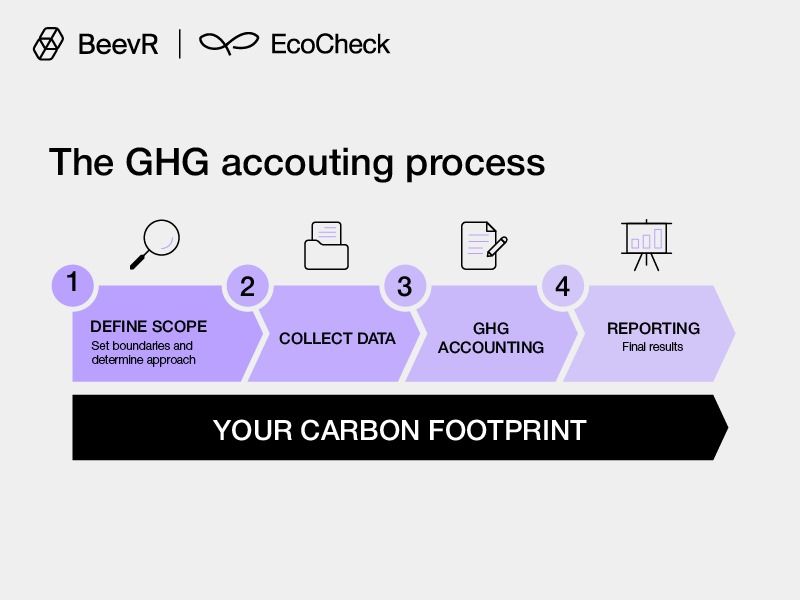
Answer: The greenhouse gas inventory process includes the following steps:
- Define the inventory scope
- Collect activity data
- Select emission factors
- Determine the inventory method
- Control data quality
- Assess uncertainty
- Recalculate the results
- Prepare the inventory report
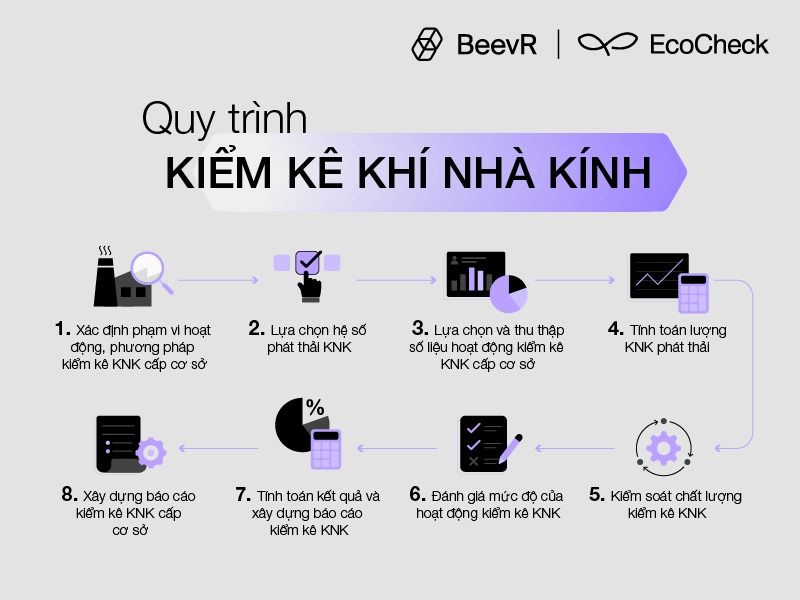
The process for conducting a greenhouse gas inventory.
Question 7: Where is the greenhouse gas inventory report submitted?
The greenhouse gas inventory report is submitted to the management agency of the sector in which the business operates, as clearly specified: the ministries managing the energy, agriculture, land use and forestry, waste management, and industrial process sectors are the Ministry of Industry and Trade; the Ministry of Transport; the Ministry of Agriculture and Rural Development; the Ministry of Natural Resources and Environment; and the Ministry of Construction.
Question 8: Which standards relate to greenhouse gas inventory?
Answer: Several international standards help ensure the authenticity and objectivity of the inventory process:
- ISO 14064-1:2018
- Content: Provides principles and requirements for establishing, implementing and managing a greenhouse gas inventory at the organizational level.
- Purpose: Helps an organization quantify and report greenhouse gas emissions and removals in a transparent and accurate manner.
- ISO 14064-2:2019
- Content: Focuses on greenhouse gas emission reduction projects.
- Purpose: Provides guidance on how to quantify, monitor and report emission reduction results from specific projects.
- ISO 14064-3:2019
- Content: Sets out requirements for the verification and validation of greenhouse gas inventory reports.
- Purpose: Ensures the authenticity, objectivity and transparency of inventory reports and emission reduction projects.
Question 9: How much does it cost to conduct a greenhouse gas inventory?
Answer: It is very difficult to give a specific figure for the cost of a greenhouse gas inventory, because this cost depends on many factors, including:
- The scale and complexity of operations: Large, multi-sector businesses that use many energy sources and material inputs will have higher inventory costs than small businesses with fewer activities.
- The inventory scope: Inventorying all emission sources in an organization is more costly than focusing on only a few main emission sources.
- The inventory method: Direct measurement with modern equipment usually costs more than using estimation methods based on existing data.
- The consulting firm performing the work: The cost of inventory services can vary depending on the reputation, experience and capability of the consulting firm.
Question 10: What penalties apply if the greenhouse gas inventory and inventory report are not carried out?
Under Decree 45/2022/ND-CP on administrative sanctions in the field of environmental protection, Appendix I lists the sectors in which businesses are required to conduct a greenhouse gas inventory.
- A warning shall be issued for any of the following violations:
- Failure to submit the greenhouse gas inventory report to the state management agency as prescribed;
- Failure to submit the emission reduction report to the state management agency as prescribed.
- A fine of VND 5,000,000 to VND 10,000,000 for any of the following violations:
- Providing incorrect or incomplete information in the greenhouse gas inventory report;
- Providing incorrect or incomplete information in the greenhouse gas emission reduction report.
- A fine of VND 30,000,000 to VND 50,000,000 for any of the following violations:
- Failure to prepare the greenhouse gas inventory report as prescribed;
- Failure to prepare the greenhouse gas emission reduction report as prescribed;
- Appraising a report outside the sector announced by the Ministry of Natural Resources and Environment.
Question 11: Which organization provides reputable greenhouse gas inventory guidance services?
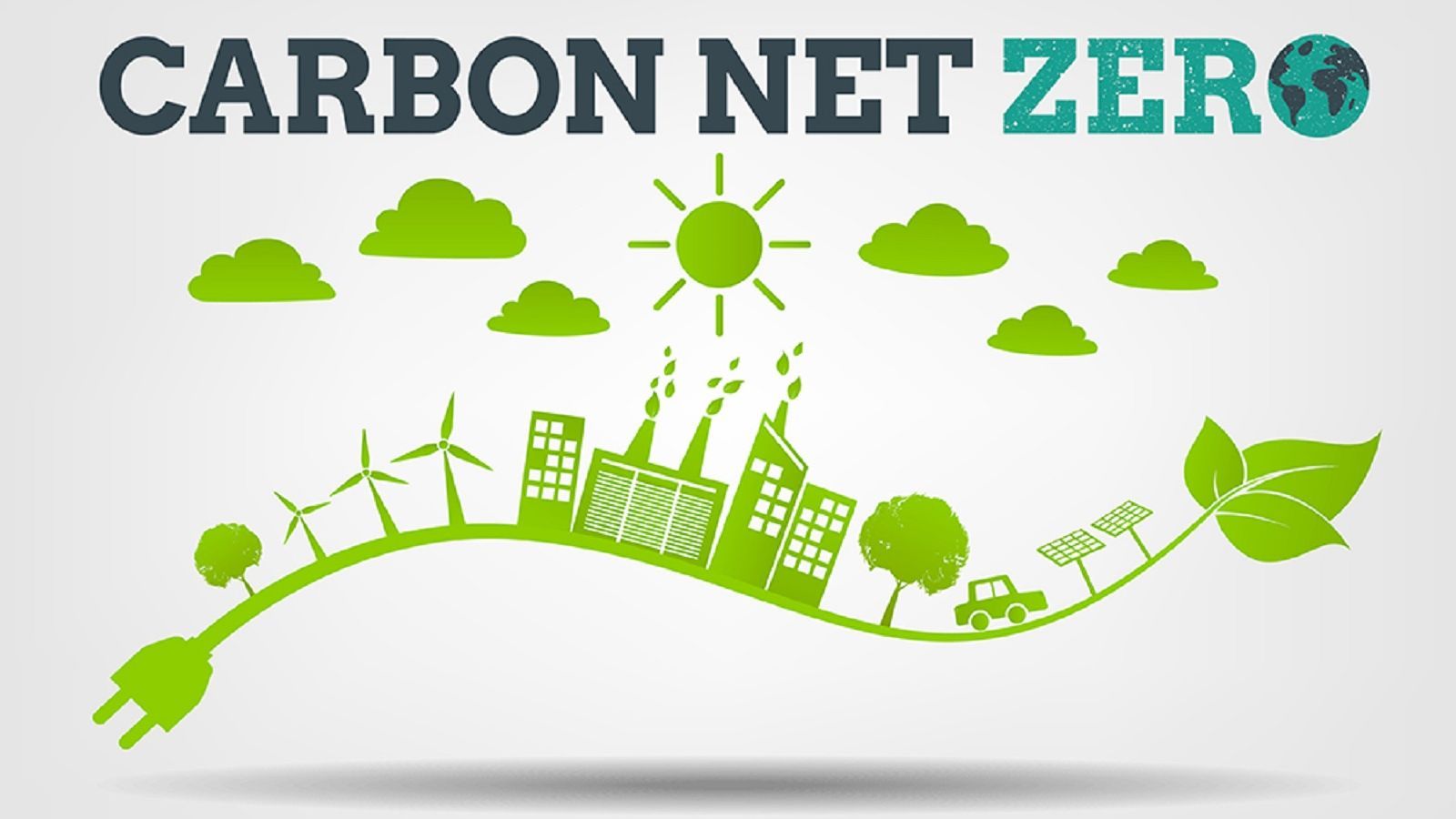
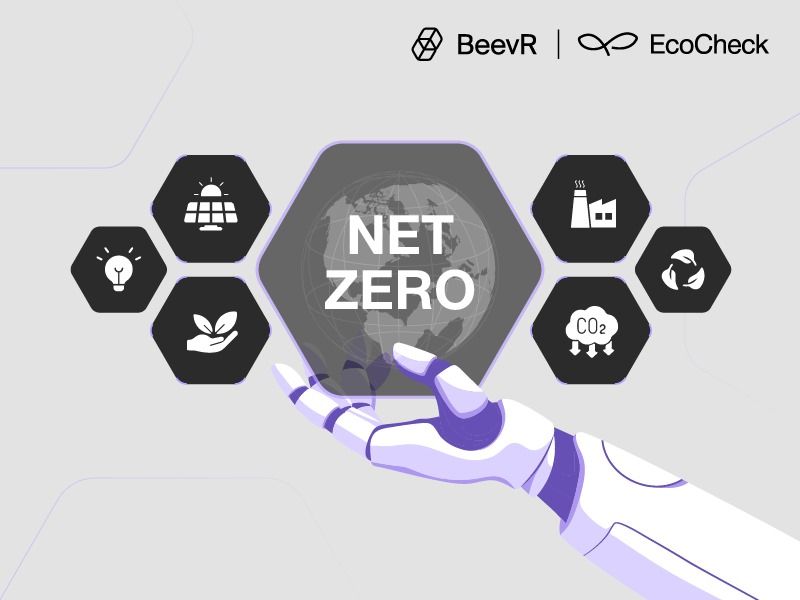
Answer: Today, greenhouse gas inventory consulting services are provided by many organizations. In Vietnam, EcoCheck is one of the leading companies in this field, with a team of experienced experts who deeply understand international standards and regulations. EcoCheck aims to accompany businesses in pursuing sustainable development and the goal of reaching Net Zero by 2050.
EcoCheck highlights:
☑️ EcoCheck - Technology platform: Applying advanced, continuously updated technology to ensure that businesses always comply with the latest inventory standards.
☑️ EcoControl - Self-managed inventory: Providing a clear, easy-to-follow process that helps businesses collect, calculate and report emissions in real time.
☑️ EcoExpert - Expert companionship: A team of experienced experts supports the entire process, ensuring accurate reports delivered on schedule.
☑️ EcoAudit - Verified results: Standard-compliant reports that are thoroughly verified and fully meet the requirements of Decree 06/2022/ND-CP and the ISO 14064-1:2018 standard.
☑️ EcoValue - Reasonable cost: Saving inventory and operating costs, helping businesses optimize their budgets and invest sustainably over the long term.
☑️ EcoCheck Academy - Continuous innovation: Creating a community for sharing knowledge, connecting partners, and promoting cooperation and sustainable development in the field of inventory.
This article provides questions about greenhouse gas inventory, the related sectors, as well as greenhouse gas inventory methods. Businesses that need an inventory can contact EcoCheck right away to learn more about greenhouse gas inventory services and receive the latest preferential quote.
BeevR Technology Co., Ltd.
- Address: 125 Hoang Ngan, Trung Kinh, Cau Giay, Hanoi
- Facebook: https://www.facebook.com/BeevRTechnologies/
- Hotline: 037.6869.366
- Email: [email protected]
- Website: https://ecocheck.ai/