What is a GHG inventory?
Why is a GHG inventory needed in the construction sector?
Emission sources in the construction sector
Scope of the GHG inventory in the construction sector
Key steps in the GHG inventory process
Choosing a reputable, high-quality GHG inventory service
GHG Inventory in the Construction Sector: What to Keep in Mind
What is a GHG inventory?
Decree 06/2022/ND-CP on “Regulations on the mitigation of greenhouse gas emissions and the protection of the ozone layer,” issued by the Government on 07 January 2022, stipulates:
“A greenhouse gas (GHG) inventory is the activity of collecting information and data on greenhouse gas emission sources, calculating the amount of greenhouse gas emissions and greenhouse gas removals within a defined scope and for a specific year, in accordance with the methods and procedures issued by the competent authority."
Why is a GHG inventory needed in the construction sector?
Amid Vietnam's rapid development, the construction sector plays an important role while also facing a major challenge in terms of greenhouse gas emissions. According to statistics from the Ministry of Natural Resources & Environment, the construction sector accounts for about 24% of the country's total greenhouse gas emissions. Notably, data from the Ministry of Construction shows that in 2014, the sector's carbon emissions were around 59.91 million tonnes. However, by 2022 this figure had risen significantly to 101.89 million tonnes, mainly from the production of construction materials.
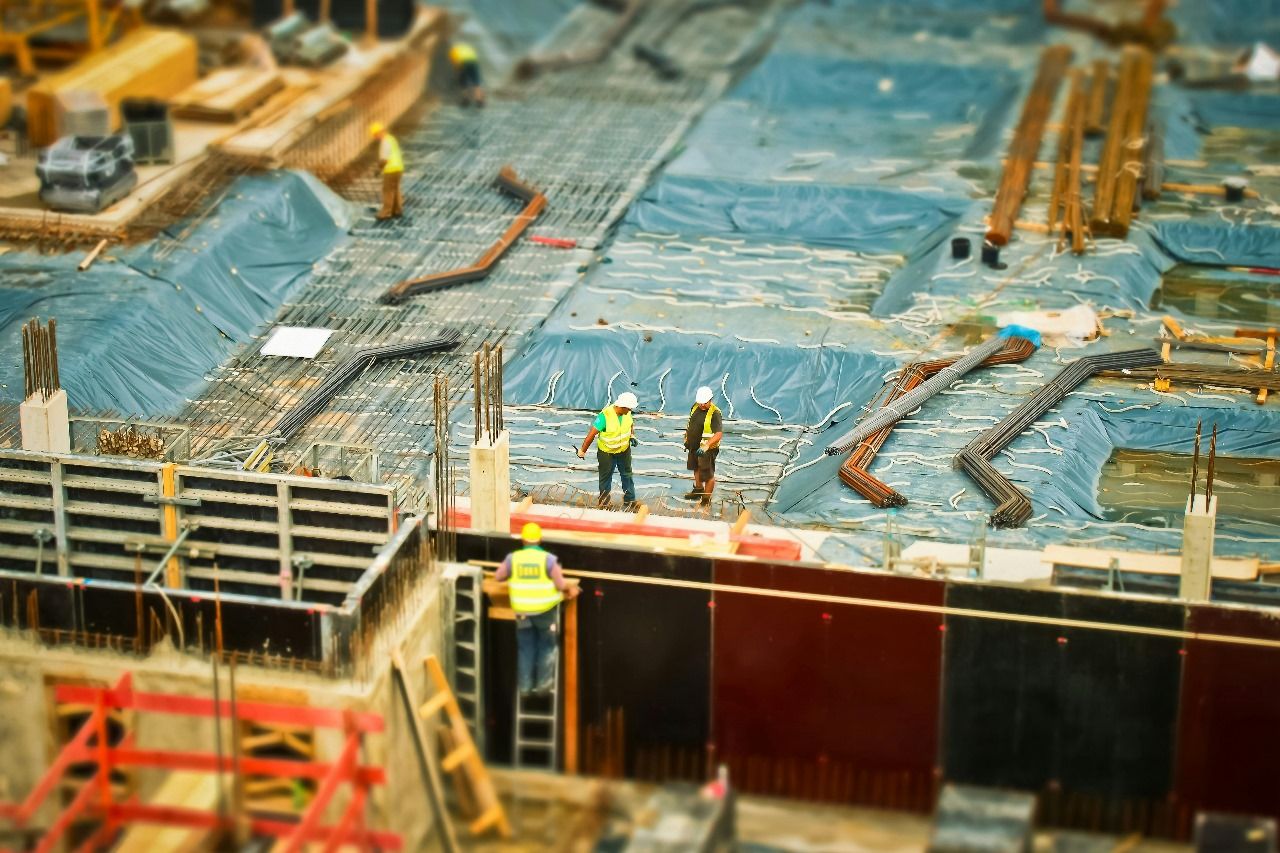
GHG inventory in the construction sector.
The main emission areas in the construction sector include the production of materials such as cement, steel, concrete, wood and plastic, as well as construction and transportation activities. The Ministry of Construction's 2022 data shows that cement production is the largest emission source, accounting for up to 91.93 million tonnes of carbon. Meanwhile, the production of construction bricks generates 4.22 million tonnes, and industrial lime production also contributes 2.9 million tonnes of carbon.
Despite efforts to reduce emissions, greenhouse gas emissions from the construction sector have shown no clear signs of decline. Meanwhile, Vietnam has committed to the world to raise its emission reduction target from 9% to 15.8% by 2022, equivalent to 146.3 million tonnes of carbon. In particular, under Decree 06/2022/ND-CP dated 07/01/2022 of the Government on the reduction of greenhouse gas emissions and the protection of the ozone layer, the construction sector is tasked with cutting 74.3 million tonnes of carbon, accounting for 13% of the country's total emission reductions by 2030.
Conducting a GHG inventory in the construction sector is not only an urgent requirement to comply with international commitments but also an essential solution to optimize production, manage resources efficiently, reduce operating costs and enhance competitiveness. This is an important step toward sustainable development in the future.
Emission sources in the construction sector
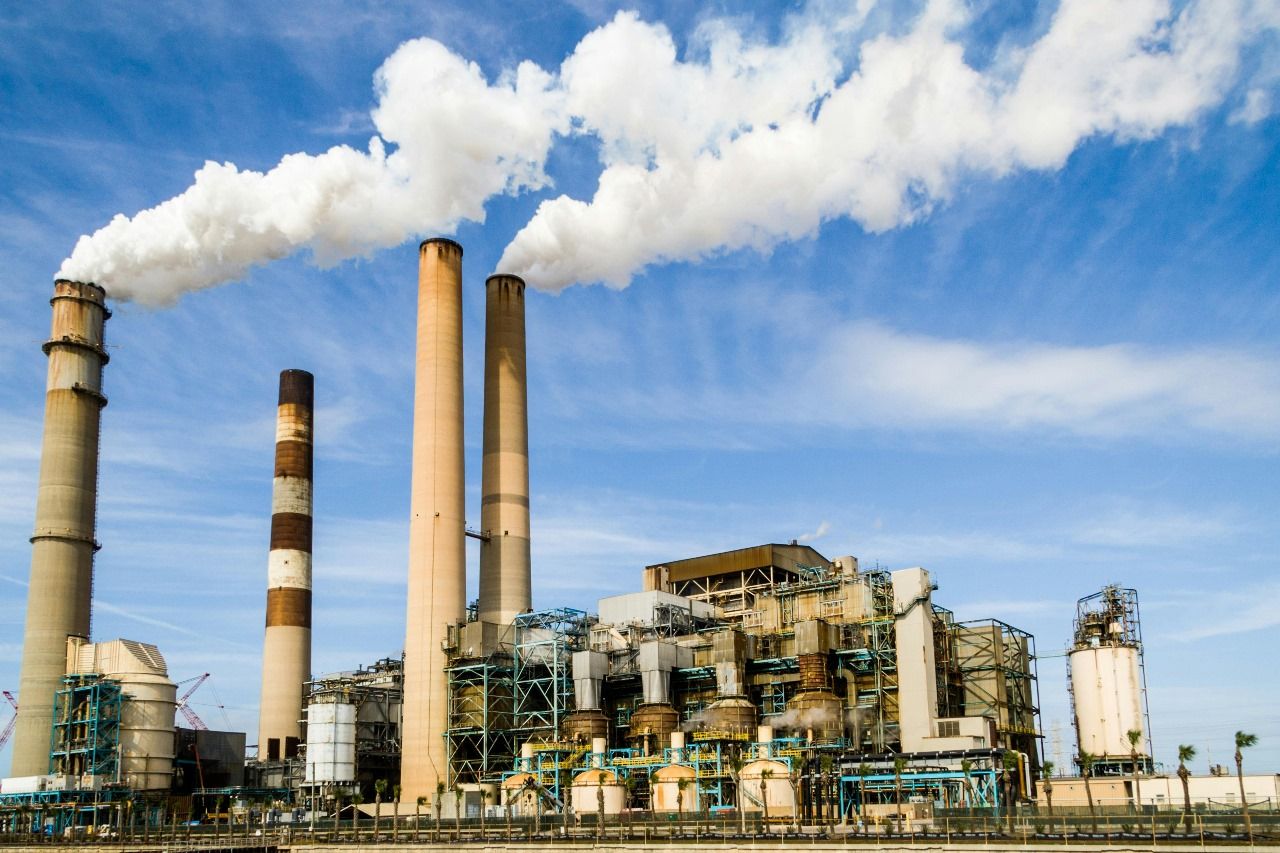
The construction sector contributes to national greenhouse gas emissions through two main sources. The first is emissions from industrial processes (IP), which mainly occur during the production of construction materials, especially cement production. The clinker calcination process in cement manufacturing generates large amounts of greenhouse gases from chemical reactions.
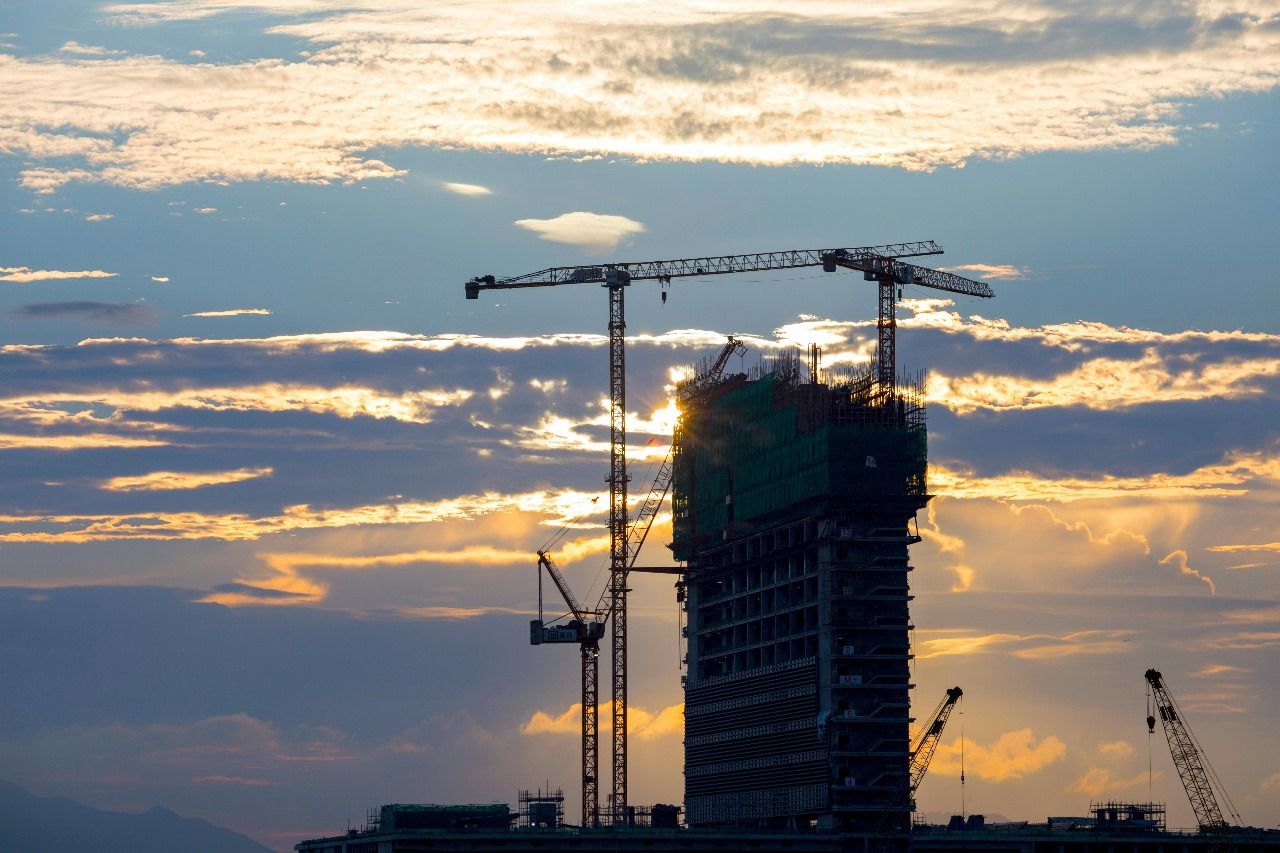
Emission sources in the construction sector.
The second emission source comes from energy use, including fossil fuels for operations and production activities. This is a direct emission belonging to the energy emissions group. The production of cement and construction materials consumes considerable fossil fuels such as clay and energy. At the same time, indirect emissions are also generated from the use of grid electricity in production and commercial activities, which are counted in the national inventory system under the energy emissions group. Reducing electricity demand in production will help limit greenhouse gas emissions by easing pressure on the energy production sector.
In addition, the value chain in the construction sector also contributes to emissions, including carbon from the use of construction materials in works and buildings, gas leakage during the operation of air-conditioning equipment, as well as emissions from transportation services.
The two largest emission sources in this sector are emissions from the production of construction materials (both direct and indirect) and emissions from buildings, with indirect emissions accounting for the majority.
Scope of the GHG inventory in the construction sector
According to the draft circular guiding the process and related technical regulations for the greenhouse gas inventory, and the measurement, reporting and verification of greenhouse gas emission reductions in the construction sector, Chapter 2 clearly sets out the technical requirements for a sector-level greenhouse gas inventory. Businesses operating in the construction sector should pay attention to the scope of the sector-level greenhouse gas inventory as follows:
- The GHG inventory for the construction sector includes activities such as: the production of construction materials: cement, glass, lime, and other materials such as sanitary ware, ceramic tiles, fired clay bricks and tiles, as well as construction works.
- The draft circular also identifies greenhouse gas emission sources from the production of construction materials, including emissions from fuel use during combustion, grid electricity use, and the calcination of raw materials containing carbonate (-CO3).
- Construction works also have greenhouse gas emission sources, including emissions from fuel use during combustion, grid electricity use, as well as the use of cooling equipment and systems such as air conditioners, refrigerators, freezers, heat pumps, chillers, etc.
- The period for collecting activity data for the greenhouse gas inventory is from 01/01 to 31/12 within the inventory period.
- The greenhouse gases to be inventoried include CO2, CH4, N2O and HFCs.
Key steps in the GHG inventory process
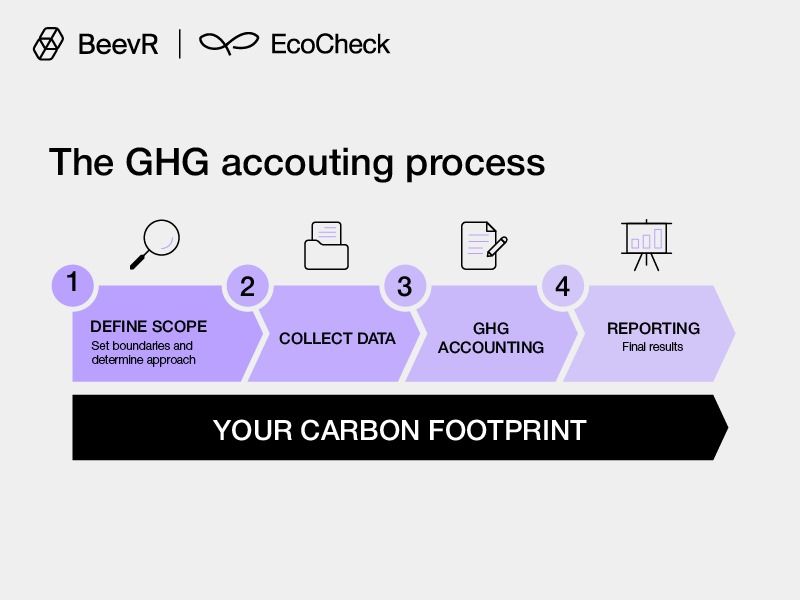
Regarding the greenhouse gas (GHG) inventory process, the draft sets it out in Article 5, Chapter 1. Accordingly, there will be 10 steps to conduct a greenhouse gas inventory. Specifically:
- Define the scope of the GHG inventory;
- Determine the method for collecting activity data for the GHG inventory;
- Collect activity data for the GHG inventory;
- Select the factors used in calculating GHG emissions;
- Calculate the GHG inventory results;
- Perform quality control and quality assurance of the GHG inventory;
- Assess the uncertainty of the GHG inventory results;
- Recalculate the GHG inventory results;
- Prepare the GHG inventory report;
- Verify the GHG inventory report.
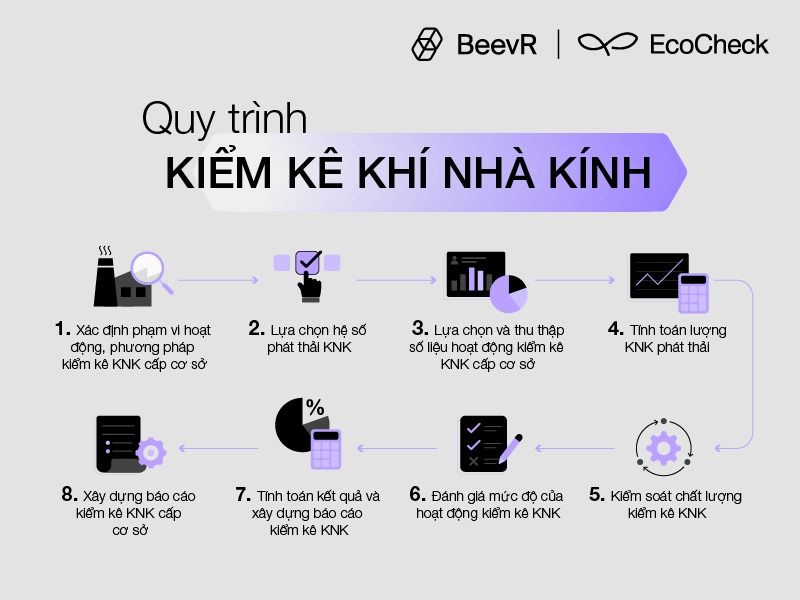
The GHG inventory process.
Choosing a reputable, high-quality GHG inventory service
Currently, there are many reputable providers on the market carrying out GHG inventories for the construction sector. Among them are parties offering on-demand services, all-in-one services, and consulting services.
To ensure that their GHG inventory is accurate and completed on schedule, businesses should research and learn about the services offered, making sure the providers have adequate credentials, experience and experts to deliver high-quality service.
With the demand for GHG inventories among construction businesses growing ever larger in 2025, EcoCheck has been a specialized technology platform for GHG inventories trusted by construction businesses.
With EcoCheck, customers receive support from experts in the field and enjoy an all-in-one GHG inventory service:
- Assess the entire greenhouse gas emissions of the business.
- Identify the main emission sources.
- Establish processes for collecting, processing and storing data from internal sources and suppliers.
- Provide guidance on selecting the base year.
- Provide guidance on calculating greenhouse gas emissions.
- Develop technical plans and emission reduction solutions.
- Build a long-term emission reduction plan -> an advantage in accessing incentives and state support policies.
- Train staff step by step to clearly understand how to collect, measure, calculate and prepare reports.
- Provide timely support so that businesses do not encounter difficulties when carrying out the inventory steps.
- Build automated processes for easy periodic reporting.
- Take ownership of the inventory, without depending on a third party once you have mastered how it is done.
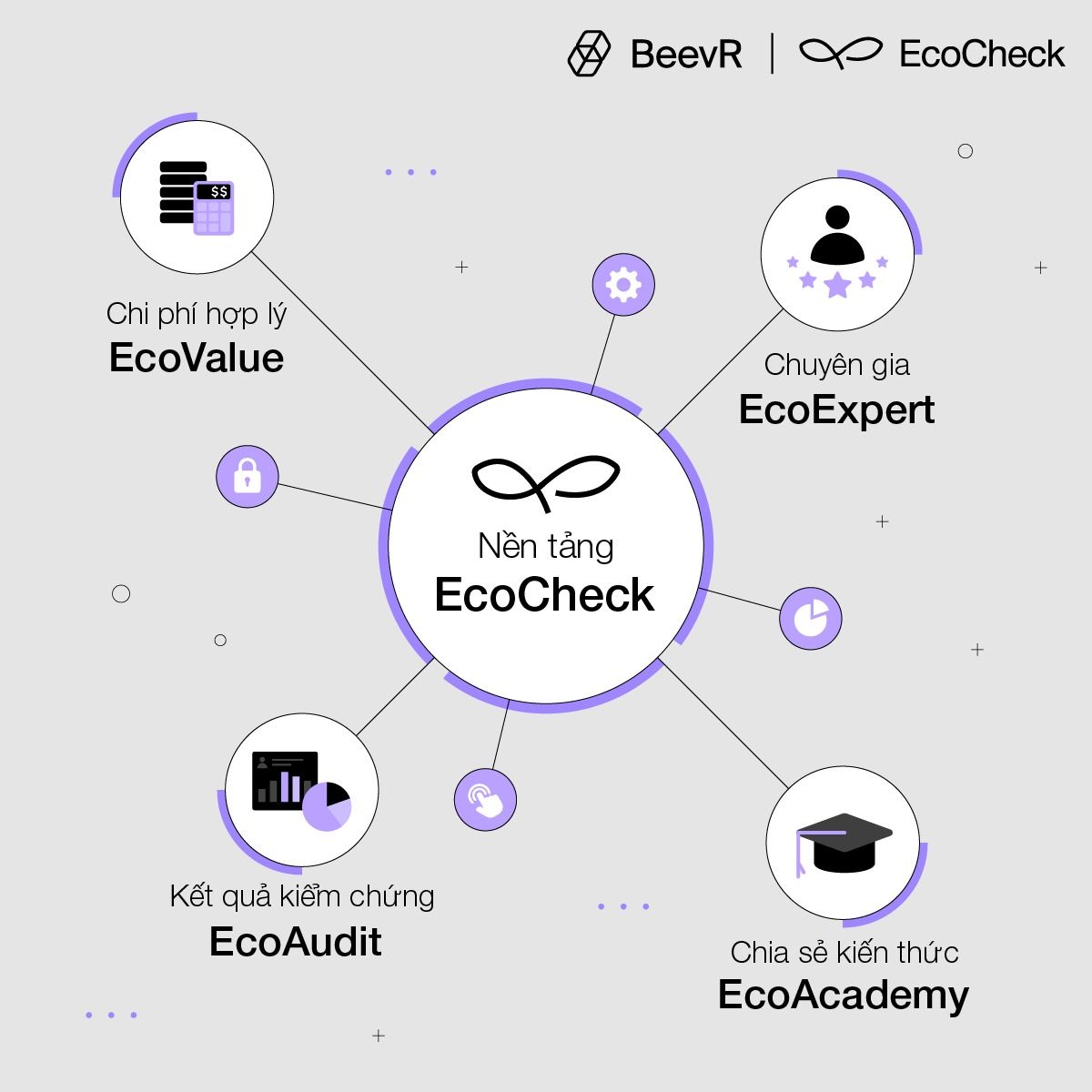
GHG inventory platform.
Why do you need EcoCheck's team of experts for consulting?
- Ensure that the inventory report meets the required quality standards before submission to the authorities.
- Minimize unnecessary procedures and apply suitable technology and software to optimize costs and time for subsequent reporting periods.
- Meet inspection or monitoring requirements from regulatory authorities effectively.
- Save operating costs and minimize future legal risks.
Contact EcoCheck for consultation and to start your GHG inventory for your construction business today!
CONTACT INFORMATION:
BeevR Technology Company Limited
- Address:
- Hanoi Office: 125 Hoang Ngan, Trung Kinh, Cau Giay, Hanoi
- Hotline: 037.6869.366
- Email: [email protected]
- Website: https://ecocheck.ai/