What are Scope 3 emissions?
What categories do Scope 3 emissions include?
Why are Scope 3 emissions a key factor in ESG strategy?
Scope 3 emissions become a mandatory requirement in ESG strategy in 2023
Implementing Scope 3 in ESG Strategy
What Are Scope 3 Emissions? Their Importance for ESG Strategy
What are Scope 3 emissions? Why are they one of the key factors for successfully implementing an ESG strategy? Let's explore the concept of Scope 3 and its importance on the journey toward Net Zero through the article below.
What are Scope 3 emissions?
Scope 3 emissions is a concept related to the amount of greenhouse gases (GHG) released from an organization's activities but that do not fall under Scope 1 (such as emissions from sources owned or controlled by the organization) or Scope 2 (such as emissions from the consumption of electricity, steam, and heat). Scope 3 emissions include emissions related to the organization's supply chain and product life cycle. This can include emissions from product use, the transportation of goods, and the related activities of other stakeholders.
For most organizations, Scope 3 emissions are far greater than Scope 1 and Scope 2 emissions combined. For most organizations, Scope 3 emissions are far greater than Scope 1 and Scope 2 emissions combined.
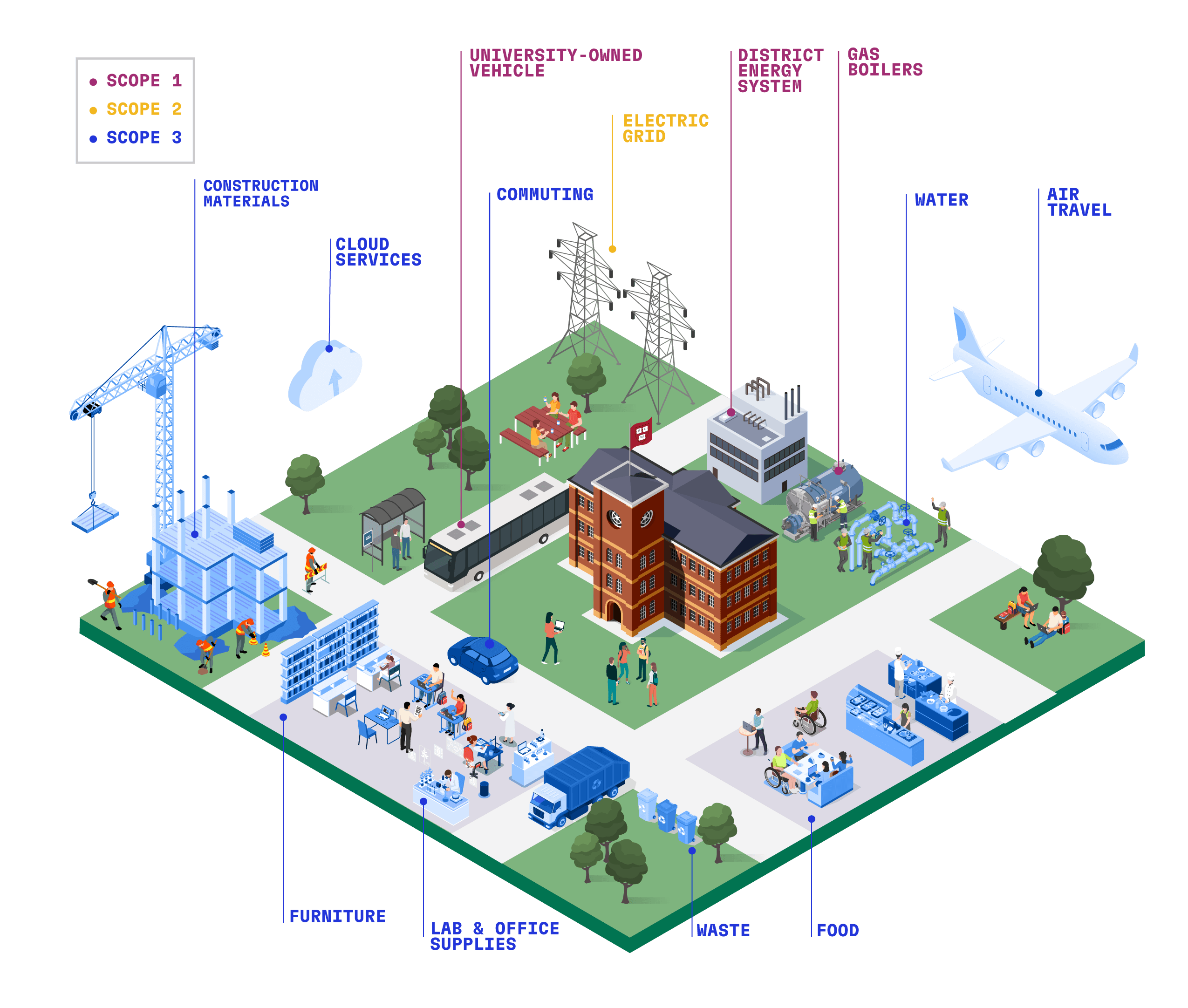
Scope 1, 2, 3 emissions
See also: Greenhouse gas emissions Scope 1, 2, 3 under the GHG Protocol and ISO 14064 standards
What categories do Scope 3 emissions include?
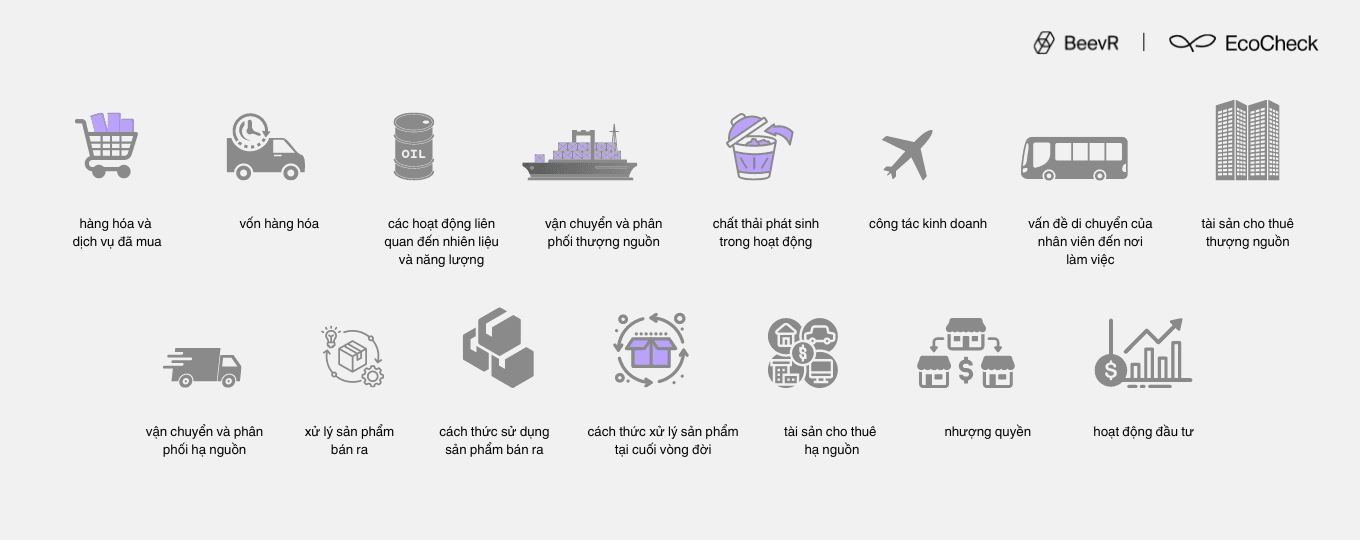
Scope 3 is the most difficult to identify and control, as it extends beyond the organization's direct operations. Below are some examples of categories that fall under Scope 3:
- Transportation and distribution of goods: Emissions from the transportation and distribution of goods and materials used by the organization, including suppliers' delivery activities.
- Waste generated in operations: Emissions related to the treatment of waste generated by the business or organization.
- Business travel: Emissions arising from employee travel, including air travel, car rentals, and accommodation for business purposes.
- Employee commuting to work: Emissions from employees' daily commute to and from work.
- Use of sold products: Emissions that occur when customers use the organization's products, such as the energy consumed by appliances or vehicles.
- End-of-life treatment of products: Emissions related to the treatment and recycling of products at the end of their life cycle.
- Transportation and distribution to customers: Emissions from the transportation and distribution of the business's products to customers.
- Investment and procurement activities: Emissions from the organization's investments and procurement activities.
- Leased assets: Emissions from assets that the organization leases or rents out.
- Use of leased products: Emissions from products or equipment that the organization leases to others or other businesses.
- Transportation of buyers' products: Emissions from the transportation of goods and products after they have been sold to consumers.
- Treatment of sold products: Emissions from the treatment and use of products sold by the organization.
- Franchise business locations: Emissions from franchise business operations under the organization's brand.
- Outsourced activities: Emissions from activities outsourced to third-party suppliers.
- Joint ventures: Emissions from joint venture or partnership activities in which the organization participates.
Why are Scope 3 emissions a key factor in ESG strategy?
Many businesses have begun making efforts to reduce greenhouse gas emissions and to update the progress of their ESG implementation. They are tightening energy use across all of their operations, from factories, offices, and warehouse transportation processes to logistics, and more. However, this is considered only a small beginning.
Real impact and business benefits are only truly created when businesses address Scope 3 emissions. This is because the emissions in this scope revolve primarily around carbon, which accounts for a large proportion of the carbon in an organization's carbon footprint.
For this reason, Scope 3 emissions are often referred to as carbon emissions. The material impact of Scope 3 varies by industry and business model. But in general, they all originate from suppliers and raw materials, which are key factors affecting the overall emissions of an entire product category or region.
Scope 3 emissions become a mandatory requirement in ESG strategy in 2023
Currently, although Scope 3 emissions reporting is not yet a mandatory requirement in the United States, the activity is nonetheless required by the Science Based Targets initiative (SBTi), the UN Global Compact, the World Resources Institute (WRI), and the World Wide Fund for Nature (WWF), in order to support and encourage businesses to set targets for reducing greenhouse gases and controlling climate change.
In addition, the International Sustainability Standards Board (ISSB) and the U.S. electronic import reporting system (eSRS) have also issued recommendations requiring certain information on Scope 3 emissions, with the ISSB further requiring descriptive information to explain how the reported emissions are calculated.
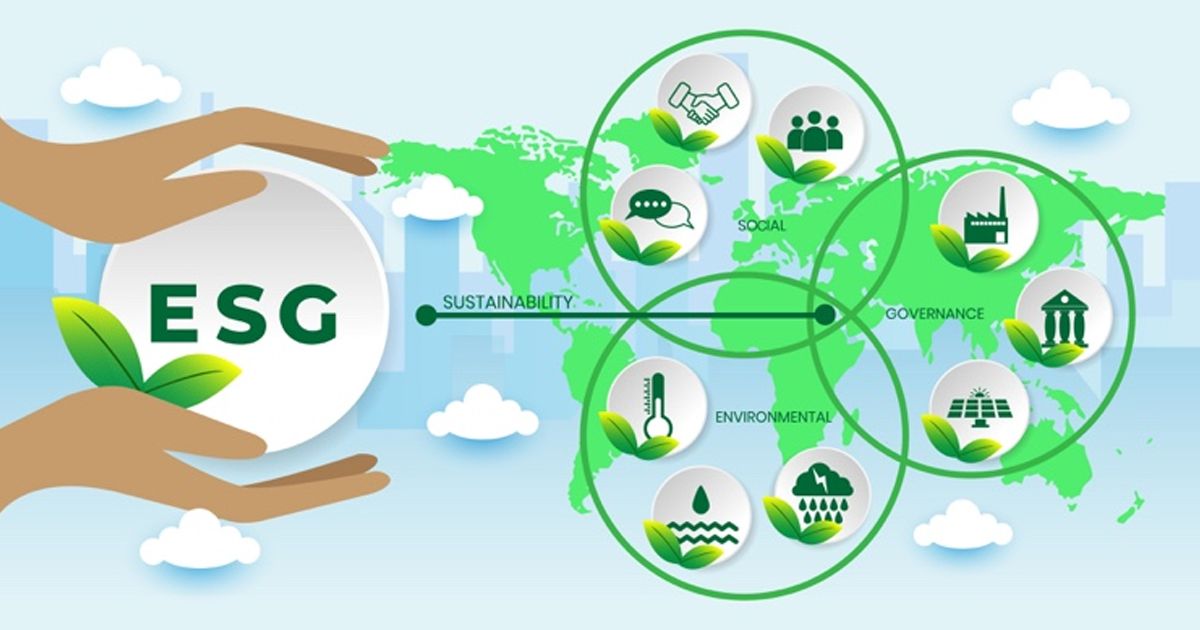
Implementing Scope 3 in ESG Strategy
1. Assess the current situation: The first step in implementing an ESG strategy is to assess the organization's current Scope 3 emissions. This can involve collecting data from supply chain activities, products, and services.
2. Identify key areas: Identify the key areas that generate Scope 3 emissions, such as major supply sources, transportation methods, and product consumption. Focusing on these areas will help the organization prioritize the areas requiring intervention.
3. Set emission reduction targets: Develop specific and measurable targets to reduce Scope 3 emissions. These targets should align with the organization's overall strategy and sustainability commitments.
4. Build partnerships and collaboration: Work with suppliers and partners to implement emission reduction initiatives. Collaboration among stakeholders can help share responsibility and optimize sustainable solutions.
5. Monitor and report: Establish a monitoring and reporting system to track progress in reducing Scope 3 emissions. Ensure that reports are public and transparent, helping to strengthen the trust of stakeholders.
6. Continuous improvement: Continuously evaluate and improve strategies and practices related to Scope 3 emissions. Refine targets and methods to reflect changes in operations and market conditions.
Scope 3 emissions play an important role in assessing and managing an organization's environmental impact. Understanding and implementing strategies to reduce Scope 3 emissions not only helps an organization meet ESG requirements but also enhances its competitiveness and sustainability. Investing in Scope 3 emissions management is an important step toward building a greener and more sustainable future.