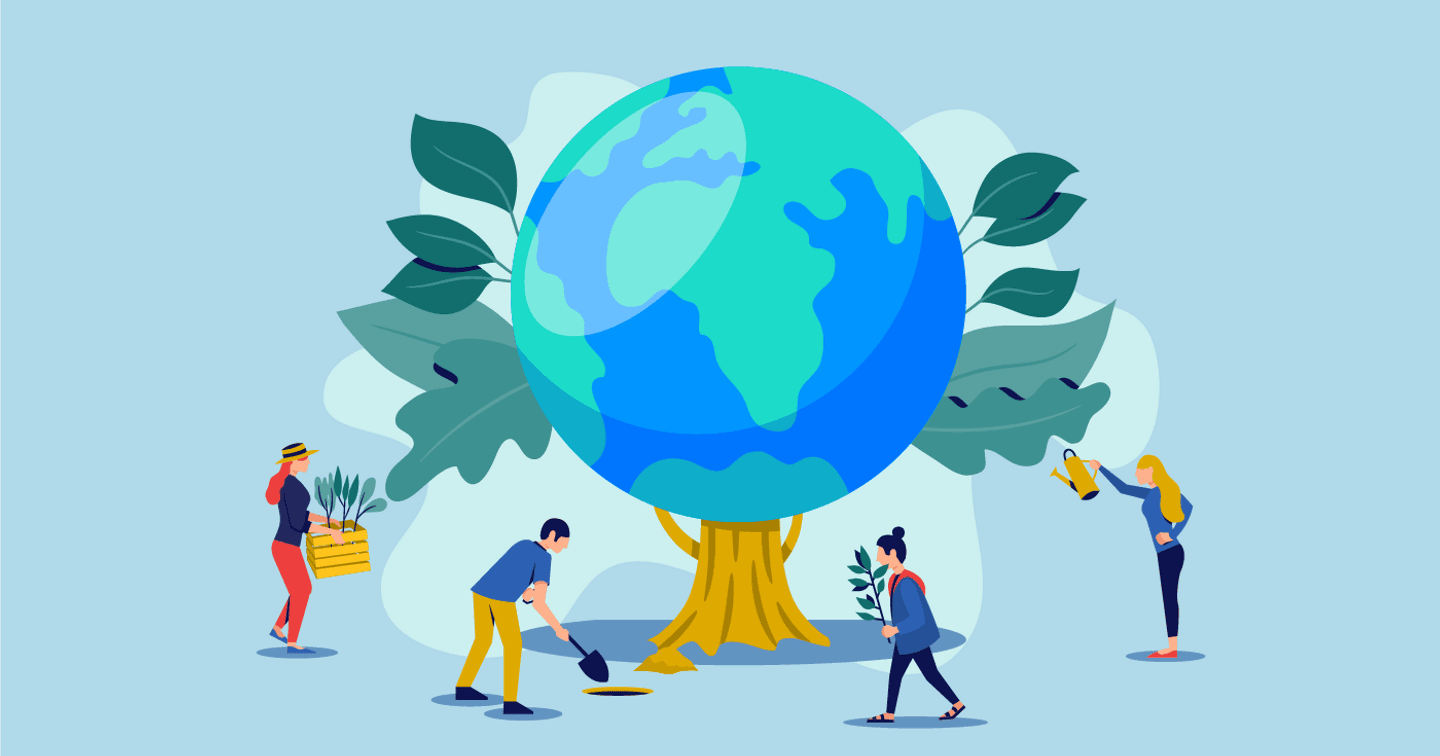
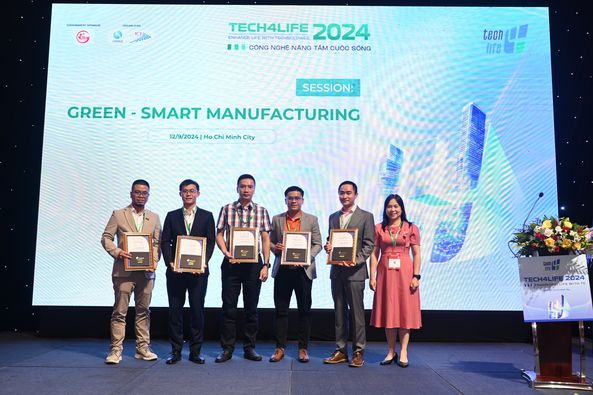
What is sustainable development?
The pillars of sustainable development
The economic pillar
The social pillar
The environmental pillar
The goals of sustainable development
What elements make up a sustainable business?
Technological innovation
Building a sustainable supply chain
Encouraging creativity
Modern governance
Strengthening social responsibility
Conclusion
The Pillars and Goals of Sustainable Development
Sustainable development has become one of the most important concepts in the modern, ever-changing world, first appearing in 1980 in the publication World Conservation Strategy. To this day, sustainable development has become an urgent need as well as an inevitable trend for countries around the world in general, and Vietnam in particular.
In this article, let's explore the concept of sustainable development, its three main pillars, and the goals that sustainable development aims for.
What is sustainable development?
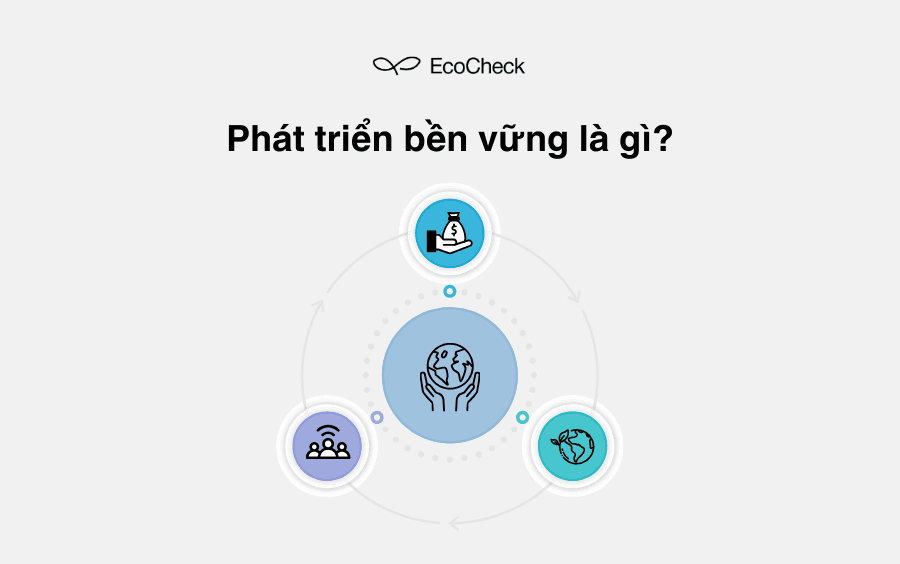
Sustainable development is the maintenance of a balance between economic growth, social equity and environmental protection
Sustainable development is a new concept that defines development in every aspect of society today while still ensuring continued development in the future. This concept is currently a goal that many countries around the world are aiming for, based on each country's own economic, social, political, geographical and societal characteristics in order to devise the most suitable strategy (according to Wikipedia).
In other words, sustainable development is the maintenance of a balance between economic growth, social equity and environmental protection, ensuring that natural resources are used in a reasonable and sustainable manner.
The pillars of sustainable development
Sustainable development is built on three main pillars: economic, social and environmental. These three pillars support one another, creating a solid foundation for long-term development.
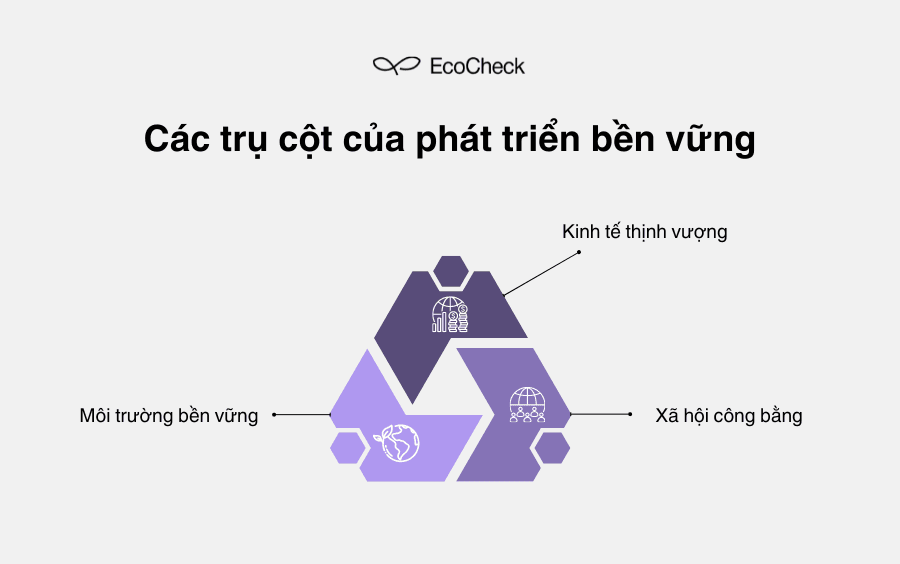
The three pillars of sustainable development
The economic pillar
The economic pillar of sustainable development involves promoting economic growth in a stable and sustainable manner. This includes creating job opportunities, improving people's quality of life, and ensuring the development of the economy without adversely affecting or depleting natural resources.
A strong economy will help eliminate poverty, raise living standards and provide essential services for society, but it must be done in a way that does not harm the environment and society.
The social pillar
The social pillar focuses on ensuring fairness, equality and rights for everyone. This includes protecting human rights, providing quality healthcare and education services, and promoting inclusion and equality in society.
A fair and inclusive society is a solid foundation for stability and prosperous development, while also minimizing conflict and strengthening social relationships.
The environmental pillar
The environmental pillar of sustainable development refers to protecting and maintaining natural ecosystems, minimizing negative impacts on the environment and using resources efficiently.
Protecting the environment is necessary to sustain life on Earth, protect biodiversity, and ensure that natural resources will remain for future generations.
>>> See more:
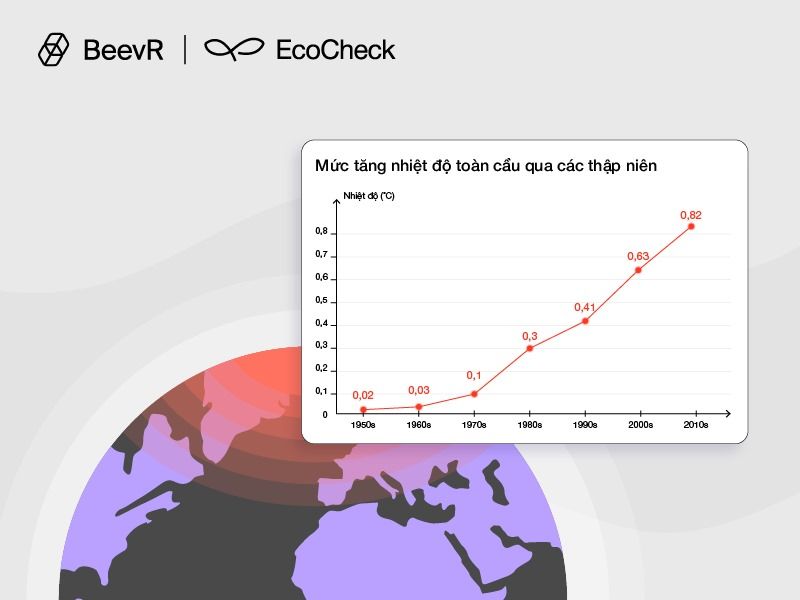
The relationship between greenhouse gases and sustainable development
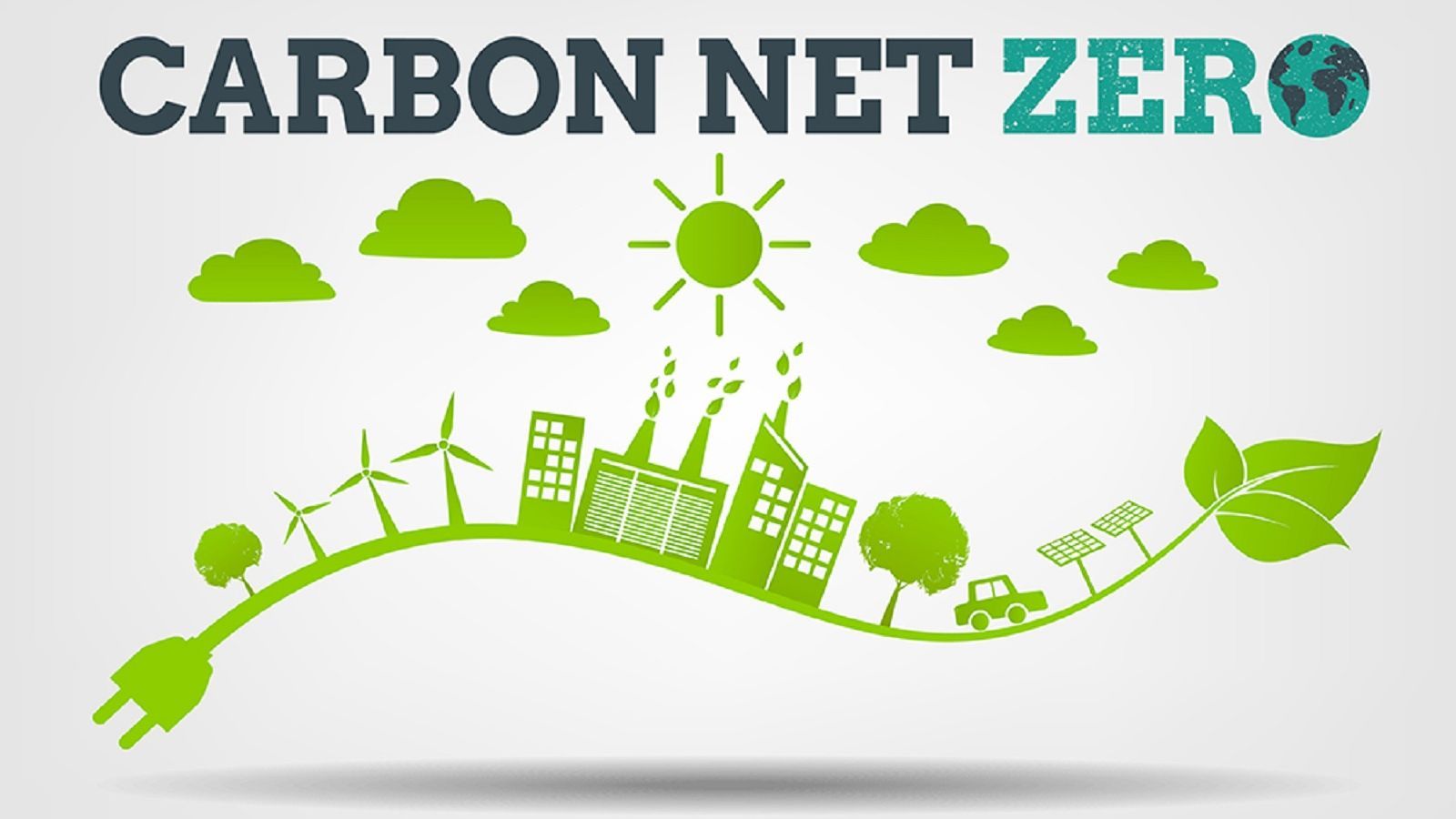
Net-Zero: A sustainable business strategy that helps companies grow
The goals of sustainable development
Sustainable development is not only a concept but also a series of specific goals aimed at improving quality of life across the globe. The Sustainable Development Goals (SDGs) set by the United Nations include 17 main goals such as:
- Eradicating poverty and hunger: Ensuring that everyone has access to food and basic resources.
- Quality education: Providing quality education for everyone, regardless of social status or economic circumstances.
- Gender equality: Promoting equal rights and opportunities for women and girls.
- Climate action: Mitigating climate change and protecting the natural environment.
- Sustainable energy use: Ensuring that everyone has access to clean and sustainable energy sources.
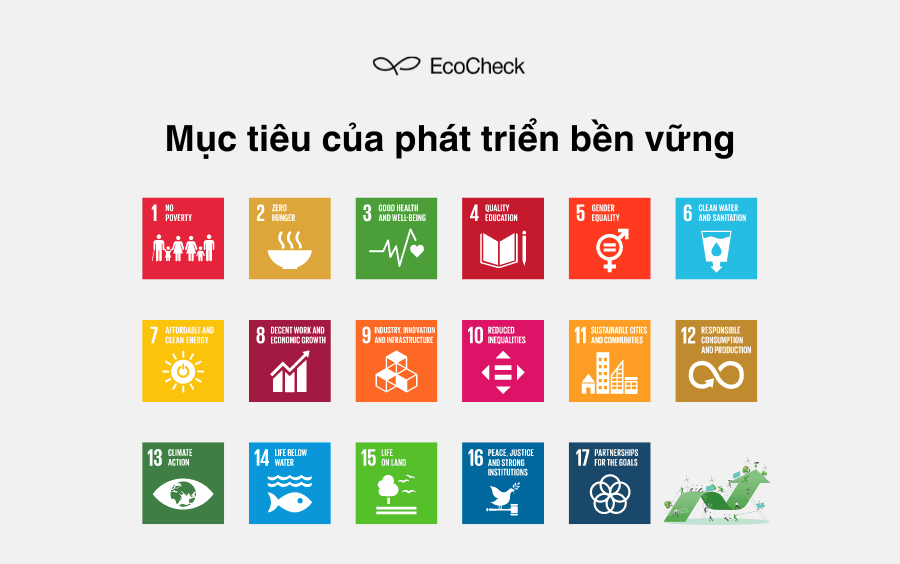
The goals of sustainable development
The 17 Sustainable Development Goals
- No Poverty
- Zero Hunger
- Good Health and Well-being
- Quality Education
- Gender Equality
- Clean Water and Sanitation
- Affordable and Clean Energy
- Decent Work and Economic Growth
- Industry, Innovation and Infrastructure
- Reduced Inequalities
- Sustainable Cities and Communities
- Responsible Consumption and Production
- Climate Action
- Life Below Water
- Life on Land
- Peace, Justice and Strong Institutions
- Partnerships for the Goals
These goals are aimed not only at improving people's lives but also at ensuring that natural resources are used reasonably, protecting the environment and promoting fair socio-economic development.
What elements make up a sustainable business?
Technological innovation
Applying new technologies to production and management processes is one of the most important steps. Businesses should leverage artificial intelligence (AI), big data and the Internet of Things (IoT) to optimize operations and minimize waste. These technologies not only help save costs but also improve energy efficiency, contributing to sustainable development and supporting greenhouse gas inventory.
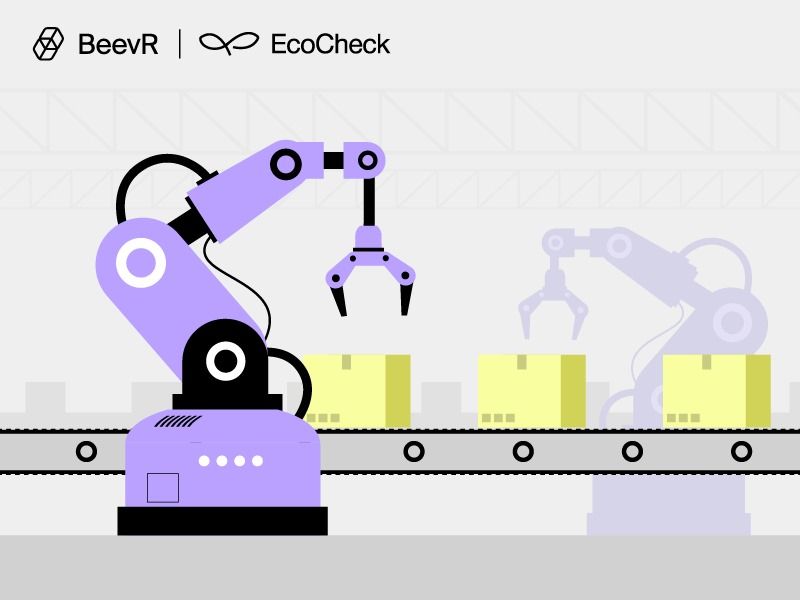
Technological innovation toward sustainable development
Building a sustainable supply chain
Building a sustainable supply chain not only ensures stability but also minimizes negative impacts on the environment. Businesses need to choose suppliers committed to environmental protection and implementing sustainability standards. Collaborating with responsible partners will create long-term value and promote sustainable development.
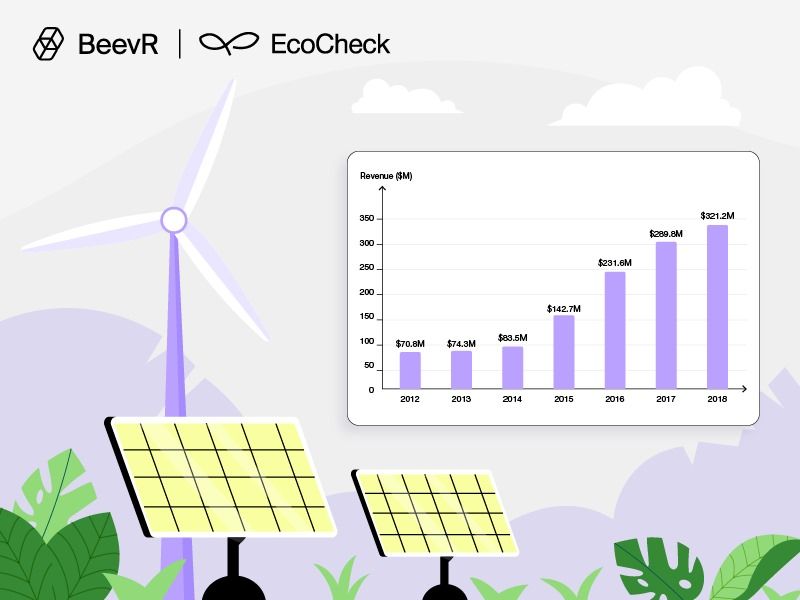
Building a supply chain toward sustainable development
Encouraging creativity
A work environment that encourages innovation and creativity is essential. Businesses should create conditions for employees to come up with new ideas and improve work processes. Creativity not only helps improve performance but also boosts competitiveness, helping businesses be more flexible in meeting market demands.
The success of these businesses comes from the relentless creative efforts of their leadership. Most of these businesses have at least 15 years of operation, and many have operated for over 20 years with a spirit of innovation. Notably, they have resiliently overcome challenges from financial crises and economic fluctuations in recent times.
Innovation and creativity must be the foremost principle and criterion in every business activity. Therefore, at most of these businesses, the research and development (R&D) department is usually invested in appropriately and given due attention.
Modern governance
Applying modern corporate governance according to international standards and practices, along with listing the business on the stock market as early as possible.
Successful companies have implemented strict and transparent disclosure of information, conducting periodic audits every 6 months and annually. In particular, they are all businesses that listed early on Vietnam's stock market. As a result, they have built trust with investors, helping to raise capital effectively (most of these businesses rarely use bank loans), meeting the needs of their increasingly expanding production and business development in a timely manner.
Strengthening social responsibility
Sustainable development also includes fulfilling social responsibility. Businesses should actively participate in community activities, from environmental protection to supporting social projects. These efforts not only enhance brand reputation but also create a positive impact on the surrounding community and environment.
Implementing a sustainable business development strategy through corporate social responsibility (CSR) is an important part of the overall business plan of these companies.
Sustainable development has become a prominent factor in the global dairy industry. Vietnam's dairy industry is not standing outside this trend either, but is actively promoting activities aimed at a healthy Vietnam.
Vinamilk is a pioneering business in pursuing the challenging goals under the Government's commitments at COP26 with an action program called "Vinamilk Pathways to Dairy Net Zero 2050." It is also the first entity to support the global dairy industry's Pathways to Dairy Net Zero initiative, announcing a roadmap toward the Net Zero goal by 2050 and implementing the "Vinamilk Net Zero Forest" project.
In less than a year after announcing the roadmap, Vinamilk had three units achieve Net Zero certification under the PAS2060:2014 standard, becoming the first business in Vietnam to have both a factory and a farm meet this standard. All these efforts are part of the green strategy that Vinamilk has been implementing to fulfill its commitment to sustainable development as well as its core "care" mission over nearly 50 years.
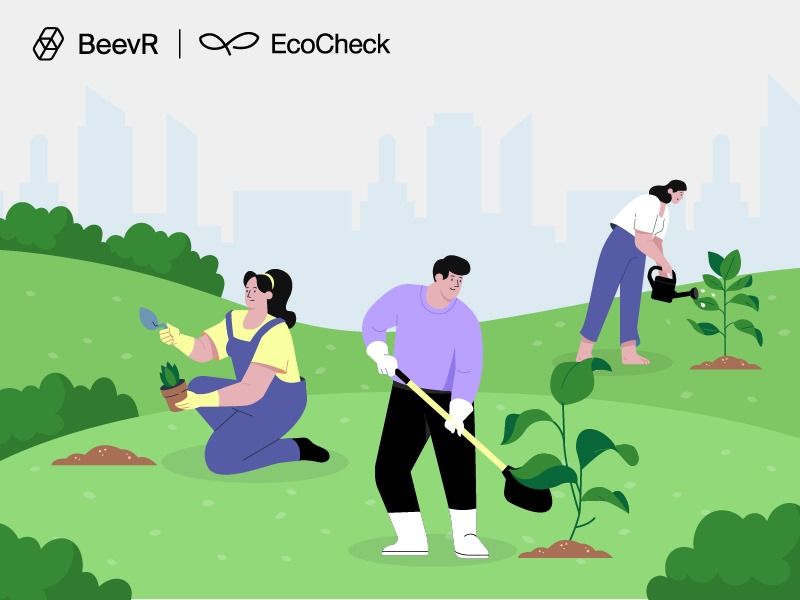
Strengthening social responsibility toward sustainable development
>>> See more: Sustainability consulting for businesses - The optimal strategy for optimizing business operations
Conclusion
Sustainable development is a core factor in ensuring the long-term prosperity of the planet and future generations. With its three main pillars of economy, society, and environment, sustainable development aims for a future where people can live in harmony with each other and with nature. To achieve this, individuals, organizations and governments need to cooperate closely and commit to implementing the sustainable development goals, ensuring that we leave behind a healthy and prosperous planet for future generations.
Contact EcoCheck for advice on sustainable development for your business and to conduct a greenhouse gas inventory for your business today!
BeevR Technology Co., Ltd.
Address:125 Hoang Ngan, Trung Kinh, Cau Giay, Hanoi
Hotline: 037.6869.366
Email: [email protected]
Website: https://ecocheck.ai/