Why do businesses need to carry out the greenhouse gas inventory process?
Pressure from legal regulations
Increasing brand value and attracting investment
Legal basis for conducting the greenhouse gas inventory process
Current challenges for businesses in the greenhouse gas inventory process
What do businesses need to prepare for the greenhouse gas inventory process?
Steps to carry out the greenhouse gas inventory process
Step 1: Determine the greenhouse gas inventory method
Step 2: Select greenhouse gas emission factors
Step 3: Collect greenhouse gas inventory data
Step 4: Calculate greenhouse gas emissions
Step 5: Perform quality control of the greenhouse gas inventory
Step 6: Ensure quality assurance of the greenhouse gas inventory
Step 7: Assess uncertainty in the greenhouse gas inventory
Step 8: Recalculate greenhouse gas inventory results
Step 9: Develop the greenhouse gas inventory report
Conclusion
9 Steps to Conduct a Greenhouse Gas Inventory for Your Business
Greenhouse gas (GHG) inventory is an important process that helps businesses measure greenhouse gas emissions from their production and business activities. The greenhouse gas inventory process not only helps businesses comply with legal regulations but also contributes to efforts to protect the environment and promote sustainable development.
Pursuant to Article 1 of Decision 13/2024/QD-TTg, 6 sectors are required to conduct greenhouse gas inventories, including:
- Energy: Energy production industries; energy consumption in industry, commerce, services, and residential use; coal mining; oil and natural gas extraction.
- Transportation: Energy consumption in transportation.
- Construction: Energy consumption in the construction sector; industrial processes in the production of construction materials.
- Industrial processes: Chemical production; metallurgy; electronics industry; use of substitutes for ozone-depleting substances; production and use of other industrial products.
- Agriculture, forestry, and land use: Livestock farming; forestry and land use change; crop cultivation; energy consumption in agriculture, forestry, and fisheries; other emission sources in industry.
- Waste: Solid waste landfills; biological treatment of solid waste; incineration and open burning of waste; wastewater treatment and discharge.
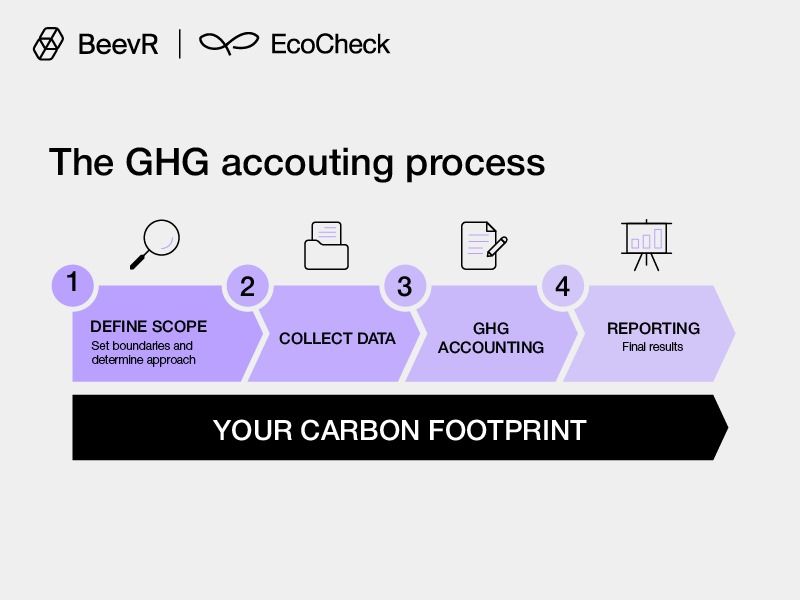
So, have businesses grasped the greenhouse gas inventory process required by the Government? The article below will analyze and provide a detailed guide to the 9 steps for conducting a greenhouse gas inventory that businesses need to know.
Why do businesses need to carry out the greenhouse gas inventory process?
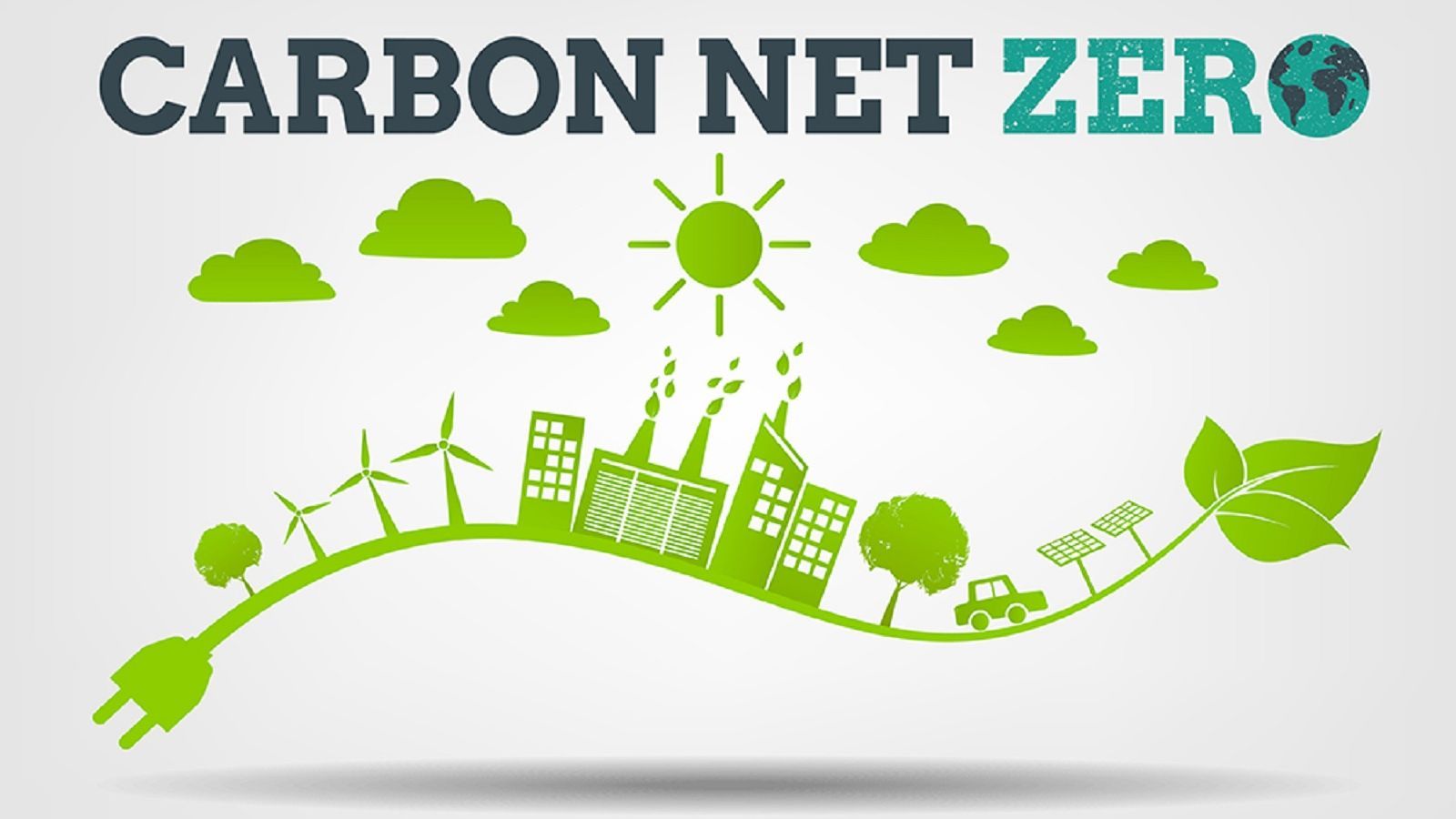
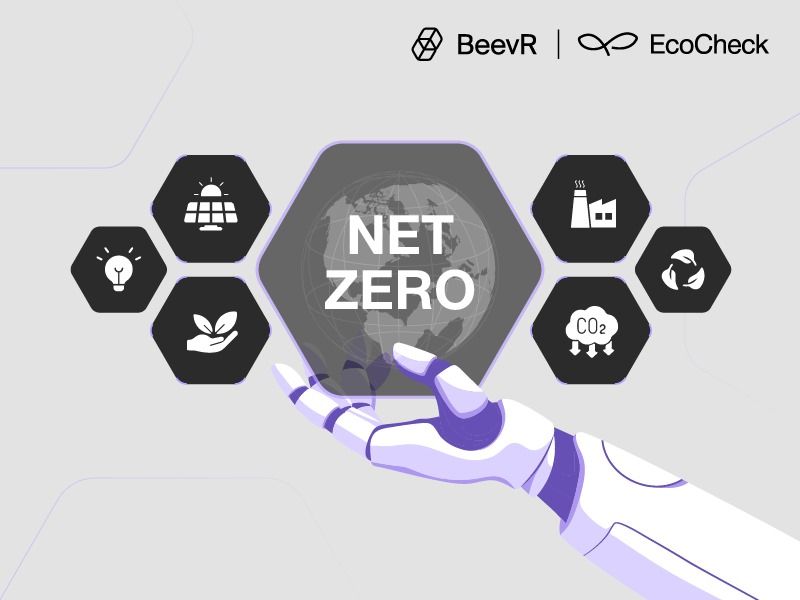
As the global economy gradually shifts toward a sustainable development model, the greenhouse gas inventory has become an indispensable factor for any business. Beyond being a legal requirement, the inventory also helps build the image of a business that is responsible toward the environment. At the COP26 Conference, Vietnam committed to achieving net zero emissions (Net Zero) by 2050, further highlighting the importance of the greenhouse gas inventory for every business.
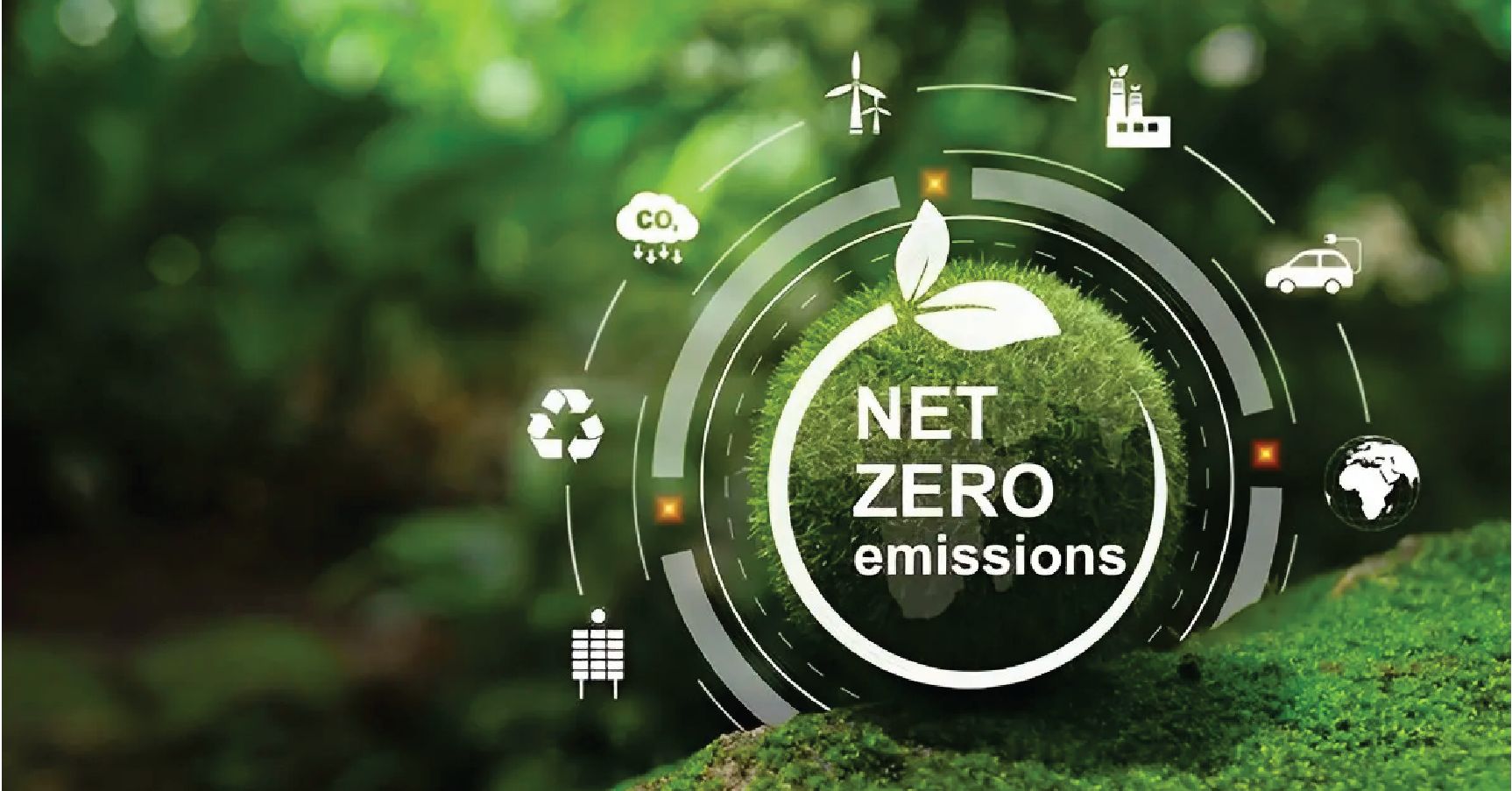
Vietnam has committed to achieving net zero emissions (Net Zero) by 2050
Pressure from legal regulations
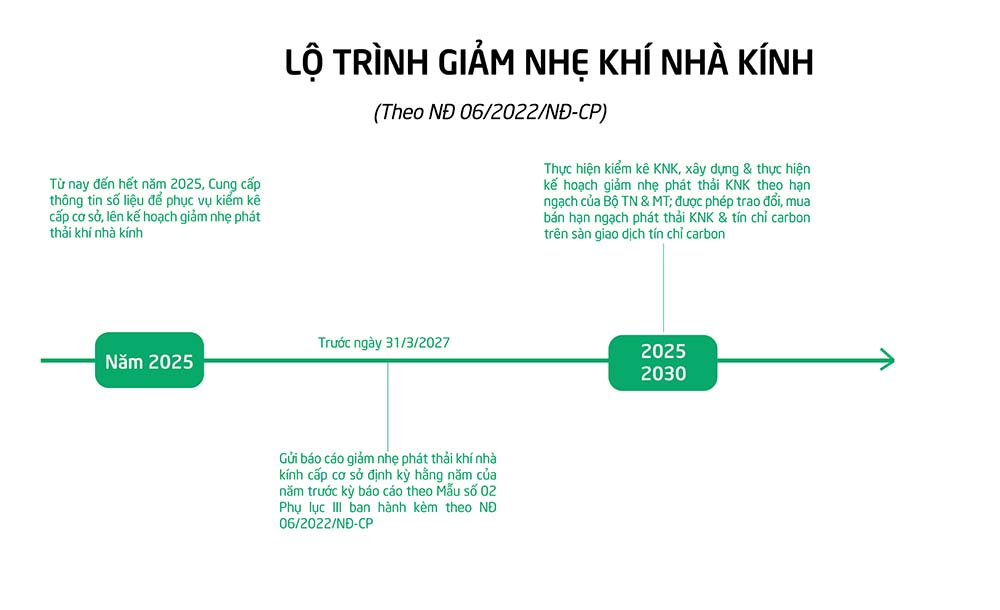
According to national and international regulations such as Decree 06/2022/ND-CP in Vietnam or the ISO 14064 standard, businesses are required to conduct greenhouse gas inventories if they fall into the high emission risk group. Complying with these regulations helps businesses:
- Avoid penalties for violations: Penalty regulations can cause significant damage if not complied with.
- Enhance reputation: Businesses that comply with regulations will more easily obtain reputable certifications, building trust with partners and customers.
- Meet partner requirements: Many large corporations require suppliers to have clear and transparent greenhouse gas reports.

Increasing brand value and attracting investment
Conducting a greenhouse gas inventory also helps businesses:
- Enhance reputation: Investors and partners often prioritize cooperation with businesses that are committed to protecting the environment.
- Meet ESG requirements: International investment funds require reports on environmental, social, and governance (ESG) matters, which include greenhouse gas emissions.
- Increase competitiveness: Businesses with transparent reporting and emission reduction commitments will more easily win bids or be prioritized in public projects.
Legal basis for conducting the greenhouse gas inventory process
The important legal regulations and guidelines for greenhouse gas inventory in Vietnam include:
- Decree 06/2022/ND-CP on the mitigation of greenhouse gas emissions and the protection of the ozone layer.
- Decision 01/2022/QD-TTg on the list of sectors and greenhouse gas emitting facilities that must conduct inventories, issued by the Prime Minister.
- Decision 896/QD-TTg dated July 26, 2022 approving the National Strategy on Climate Change for the period up to 2050.
- Circular 01/2022/TT-BTNMT providing detailed regulations on responding to climate change under the Law on Environmental Protection.
- Circular 17/2022/TT-BTNMT providing technical regulations on measurement, reporting, and appraisal of emission reduction and greenhouse gas inventory in the field of waste management.
- Decision 2626/QD-BTNMT dated October 10, 2022 announcing the list of emission factors for greenhouse gas inventory.
- Official Letter 1295/BTNMT-BDKH of 2023 implementing regulations on the mitigation of greenhouse gas emissions.
- Official Letter 1239/BCT-TKNL of 2023 on reporting activity data for greenhouse gas inventory in the Industry and Trade sector for the years 2020 and 2022.
- Circular 38/2023/TT-BCT on techniques for measurement, reporting, and appraisal of emission reduction and greenhouse gas inventory in the Industry and Trade sector.
Current challenges for businesses in the greenhouse gas inventory process
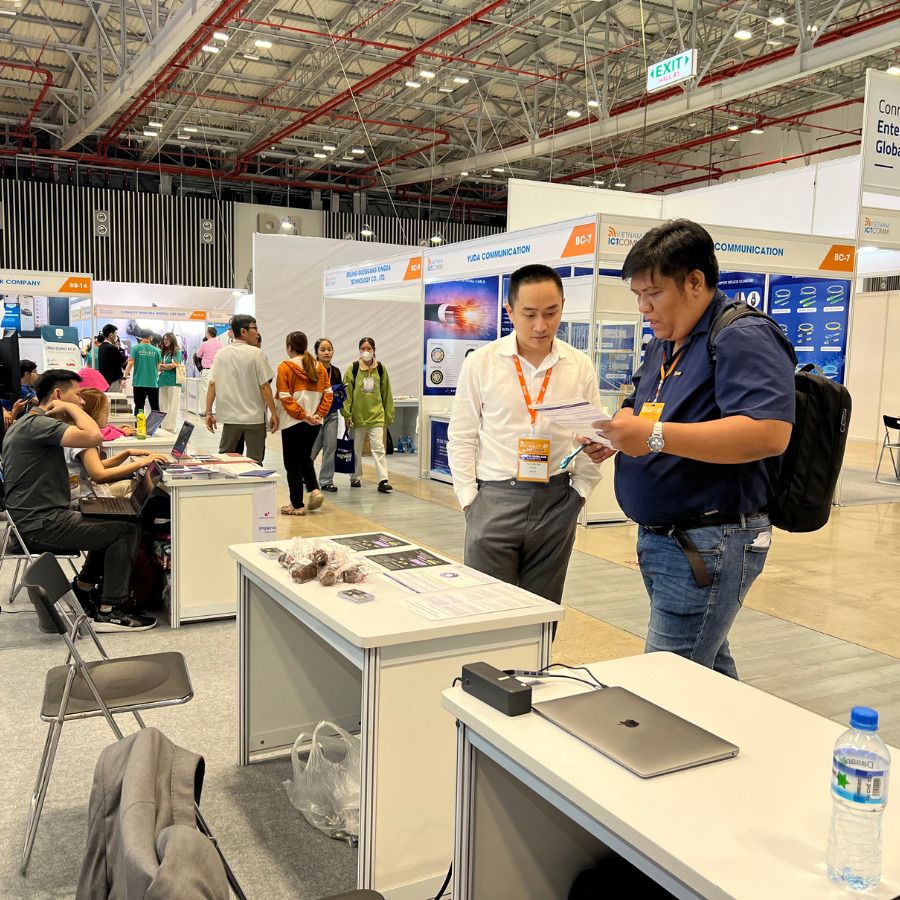
A lack of information is a major barrier to businesses' green transition. Surveys show that 97% of businesses in the paper industry are not aware that they must conduct greenhouse gas inventories, even though this policy took effect two years ago. Even the largest company in the electrical cable manufacturing sector in Vietnam is not clear on this requirement and does not know how to proceed.
Notably, some businesses on the mandatory list for conducting greenhouse gas inventories are completely unaware of it. Specifically, 67 out of 69 businesses in the paper industry and many businesses in Thai Nguyen province still do not realize that they must conduct inventories. Even the largest business in the electrical cable manufacturing sector in Vietnam was unaware of this requirement until being informed by the Private Economic Development Research Board (Board IV).
A report from Board IV shows that 48.7% of businesses recognize green transition as necessary, but 64% have not prepared anything for this process. Specifically, 55.6% of businesses in the industrial sector and 65.1% of domestic businesses have also not made any preparations. In addition, 68.7% of businesses focus only on the domestic market. Regarding difficulties, 34.7% of businesses reported a lack of information, 36.5% faced strategy issues, 50% lacked capital, 48.6% lacked personnel, and 44.2% encountered difficulties with technical solutions.
According to Board IV, the biggest problem businesses face in the process of reducing emissions and transitioning to green is a lack of capital; 62.7% of businesses with revenue from VND 1,000 to 1,500 billion said they face difficulties in raising capital.
Pham Thi Ngoc Thuy, Director of the Board IV Office, emphasized the importance of this issue, stating that although businesses greatly need capital to seize opportunities, green finance sources have not yet developed proportionately.
What do businesses need to prepare for the greenhouse gas inventory process?
For Vietnamese businesses to effectively carry out the greenhouse gas inventory process and achieve a sustainable green transition, several strategic solutions need to be implemented:
Financial support: The government and financial institutions need to develop preferential credit packages and support funds dedicated to businesses undergoing green transition. Businesses will ease their financial burden so they can invest in the technology and processes needed to conduct greenhouse gas inventories.
Training and capacity building: Training programs should be organized to raise awareness and skills among businesses regarding the greenhouse gas inventory process. Being fully equipped with knowledge will help businesses feel more confident in carrying out this process. In particular, the Board IV research team proposes accelerating capacity-building programs and support policies to help businesses adapt to the new playing field.
Creating a support network: Organizations and business associations should join forces to build a support network where businesses can share experiences in greenhouse gas inventory.
Encouraging international cooperation: Businesses need to seek opportunities to cooperate with international organizations to learn and apply advanced technology in greenhouse gas inventory.
Incentive mechanisms: Businesses recommend tax incentive mechanisms and green credit to reduce costs and overcome capital difficulties during the transition process. They also need support from consultants in setting strategies and building a roadmap for a green, sustainable transition.
Technology transfer: The EcoCheck technology platform is a tool for businesses to conduct comprehensive greenhouse gas inventories. EcoCheck not only provides inventory solutions but also combines customization capabilities to suit the specific characteristics of each business. The platform integrates with a business's management system, helping to monitor and analyze energy consumption and thereby propose solutions for efficient resource use. EcoCheck also supports sustainability certification according to Vietnamese and international standards, helping to build transparent and reputable reports.
>>> See more: What have businesses prepared for greenhouse gas inventory?
Steps to carry out the greenhouse gas inventory process
Step 1: Determine the greenhouse gas inventory method
The sector-level greenhouse gas inventory method is based on the 2006 National Greenhouse Gas Inventory Guidelines (abbreviated as the IPCC 2006 guidelines) and the 2019 refinement to the IPCC 2006 (abbreviated as the IPCC 2019 guidelines). The detailed methods for each specific sector are stipulated in Appendix I.1 Circular 17/2022/BTNMT.
>>> See more: Effective greenhouse gas inventory methods
Step 2: Select greenhouse gas emission factors
The emission factors applied in sector-level greenhouse gas inventory will be taken from the list of emission factors issued by the Ministry of Natural Resources and Environment.
Step 3: Collect greenhouse gas inventory data
Activity data for sector-level greenhouse gas inventory references the IPCC 2006 and IPCC 2019 guidelines. Data sources are collected from the General Statistics Office and related agencies from the central to local levels. The data collection process and forms are carried out in accordance with the regulations in Appendix I.2 of Circular 17/2022/BTNMT.
Step 4: Calculate greenhouse gas emissions
The calculation of sector-level greenhouse gas emissions is based on the methods selected in Step 1. The inventory results are aggregated from the forms related to activity data, emission factors, and global warming potential for the emission sources in the waste management sector.
Step 5: Perform quality control of the greenhouse gas inventory
The quality control process for greenhouse gas inventory in the waste management sector is carried out based on the IPCC 2006 and IPCC 2019 guidelines. Control activities include: checking the completeness and accuracy of the data, checking the assumptions and criteria when selecting activity data and emission factors, checking for data entry errors, and checking the continuity of the data.
Step 6: Ensure quality assurance of the greenhouse gas inventory
The quality assurance process for greenhouse gas inventory in the waste management sector is carried out according to the IPCC 2006 and IPCC 2019 guidelines. This activity is performed by agencies not directly involved in the greenhouse gas inventory process, in order to ensure transparency and objectivity.
Step 7: Assess uncertainty in the greenhouse gas inventory
The assessment of uncertainty in sector-level greenhouse gas inventory results is carried out according to the IPCC 2006 and IPCC 2019 guidelines. This process includes determining the uncertainty of activity data, emission factors, and calculation results, from which a summary table of the greenhouse gas inventory uncertainty is built.
Step 8: Recalculate greenhouse gas inventory results
Sector-level greenhouse gas inventory results may be recalculated in cases such as the discovery of calculation errors or changes in the quantification method, activity data, or emission factors.
Step 9: Develop the greenhouse gas inventory report
The sector-level greenhouse gas inventory report is prepared according to Form No. 04, Appendix II of Decree 06/2022/ND-CP, which regulates the mitigation of greenhouse gas emissions and the protection of the ozone layer. Detailed information can be found in Circular 17/2022/BTNMT, effective from February 15, 2023.
>>> See more: A Guide for Businesses to Conduct Greenhouse Gas Inventory According to ISO 14064-1
Conclusion
Conducting a greenhouse gas inventory following the 9-step process not only helps businesses better manage their emissions but also lays the foundation for strategies to reduce environmental impact and promote sustainable development. By mastering each step in this process, businesses will be able to contribute positively to the fight against climate change and build a greener future.
BeevR Technology Co., Ltd.
Address: 125 Hoang Ngan, Trung Kinh, Cau Giay, Hanoi
Hotline: 037.6869.366
Email: [email protected]
Website: https://ecocheck.ai/