Introduction
Context and Challenges
Industry and market context
TH True Milk's initial challenges
Solutions and Actions
Emission reduction strategy
Specific measures and actions implemented
Technology and innovation
Results and Impact
Quantitative results
Qualitative results
Impact on the environment and society
Lessons Learned and Recommendations
Lessons learned
Recommendations for other businesses
Conclusion
The TH True Milk Story on the Path to Sustainable Development
Introduction
Amid global sustainable development efforts to respond to climate change, the story of TH True Milk's green journey stands out as a bright spot. As one of Vietnam's leading dairy brands, TH True Milk is not only committed to delivering quality products but also pioneers in reducing its carbon footprint.
With remarkable achievements in cutting greenhouse gas emissions, from the farm to the production process, TH True Milk has demonstrated that economic development and environmental protection can go hand in hand.
This article will explore in detail how TH True Milk has realized this commitment, the innovative solutions it has implemented, and the valuable lessons that other businesses can learn and apply on the path toward a sustainable future.
Context and Challenges
Industry and market context
In the context of the dairy industry and market increasingly emphasizing sustainability, TH True Milk is also strongly affected by pressure from the government and community regarding environmental protection responsibility.
Legal regulations and policies related to greenhouse gas emission reduction are becoming increasingly stringent, requiring businesses to take concrete actions. At the same time, the green consumption trend is becoming more common; consumers are increasingly concerned about the origin and production process of products, prioritizing brands with clear commitments to environmental protection.
In particular, the dairy industry, with its characteristic dairy cattle farming operations, is known as one of the sectors with significant greenhouse gas emission potential, mainly methane from cows' digestion and emissions from waste management. This poses an urgent requirement for businesses in the industry, including TH True Milk, to seek and implement effective solutions to minimize negative impacts on the environment.
TH True Milk's initial challenges
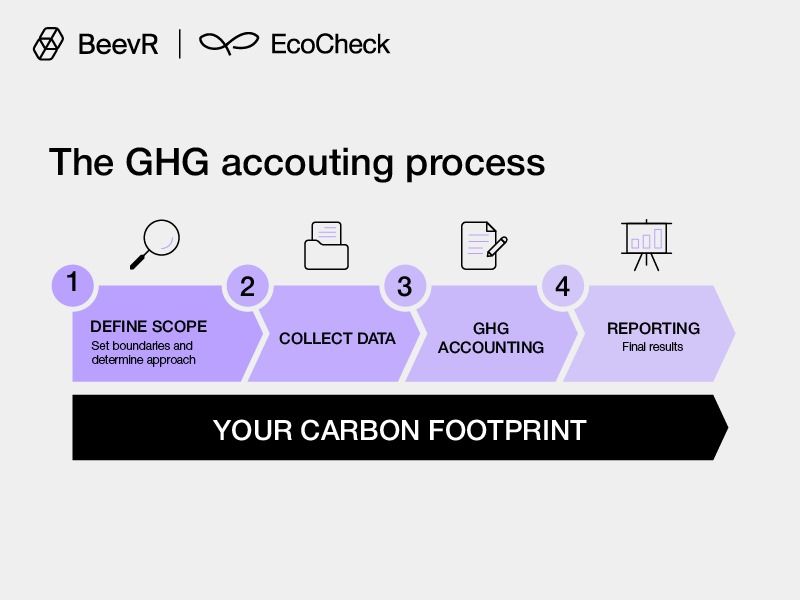
When starting its journey to reduce greenhouse gas emissions, TH True Milk faced numerous challenges. One of the initial difficulties was identifying and accurately measuring the amount of emissions arising from the entire value chain, from farming operations at large-scale farms, the production process at modern factories, to the transportation and distribution of products to consumers.
This required investment in professional monitoring and assessment systems. In addition, seeking and selecting effective technology solutions and production processes to reduce emissions was also a difficult problem, especially when having to ensure economic feasibility and maintain product quality. The initial investment cost for green technologies, renewable energy, or new production processes can be a significant barrier, requiring TH True Milk to have a sound financial strategy and implementation plan.
Solutions and Actions
Emission reduction strategy
With a long-term vision for sustainable development, TH True Milk has built a comprehensive and ambitious greenhouse gas emission reduction strategy.
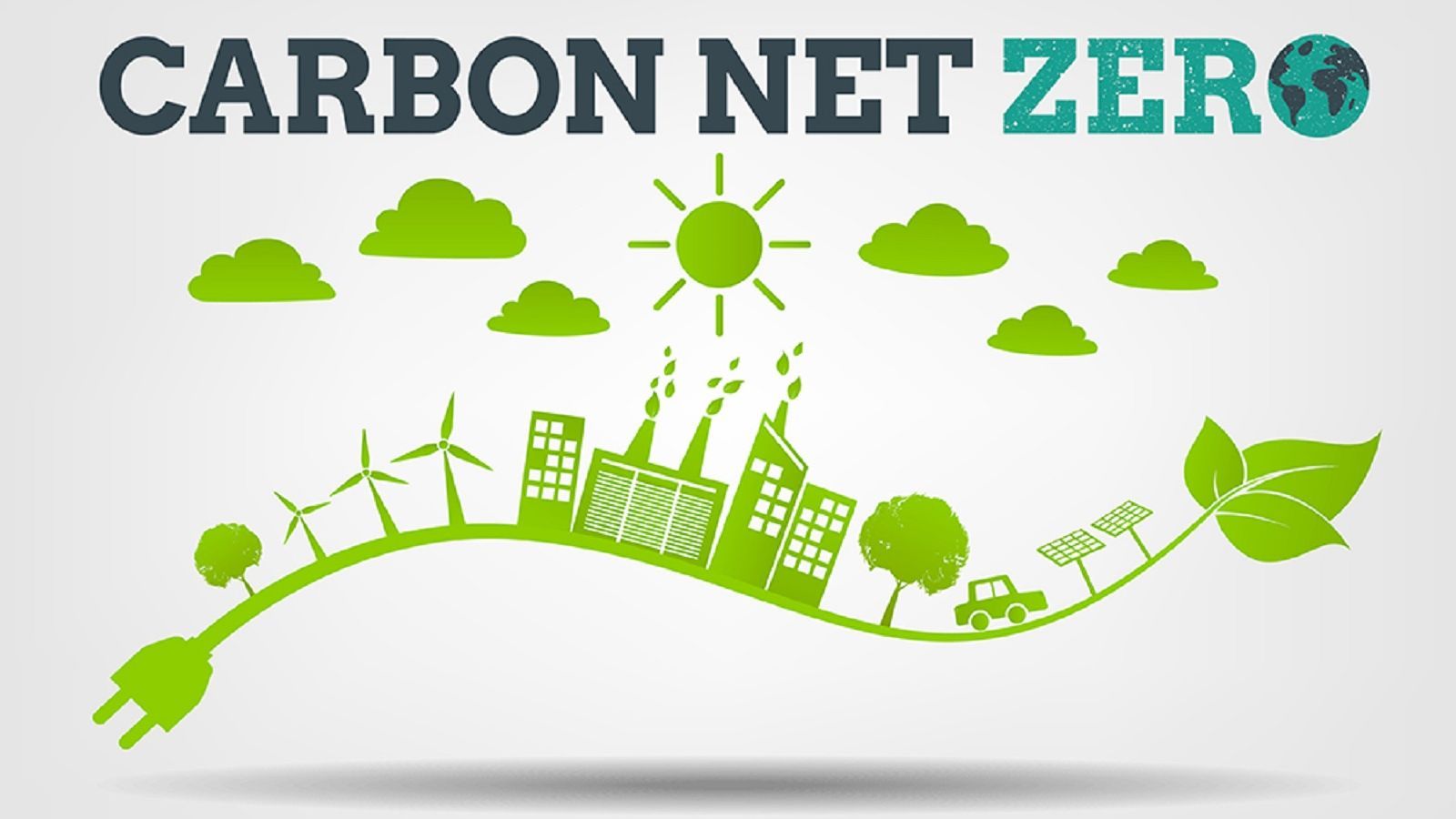
The core objective of this strategy is to reduce direct greenhouse gas emissions by an average of 15% from operations at farms and production factories each year. Furthermore, TH True Milk aims for the Net Zero target across its entire value chain by 2050, demonstrating a strong commitment to responding to climate change.
To achieve these goals, TH True Milk's strategy focuses on prioritizing the use of renewable energy and applying advanced, environmentally friendly technologies at every stage of the production process, from farming to processing and product distribution.
See more in the article on "Building and Implementing a Greenhouse Gas Emission Reduction Plan"
Specific measures and actions implemented
Improving energy efficiency
To realize the goal of improving energy efficiency, TH True Milk has invested in many advanced technology and management solutions.
Besides switching to energy-saving LED lighting systems across all farms and factories, the company also focuses on optimizing the operation of large energy-consuming equipment such as cooling systems and production machinery.
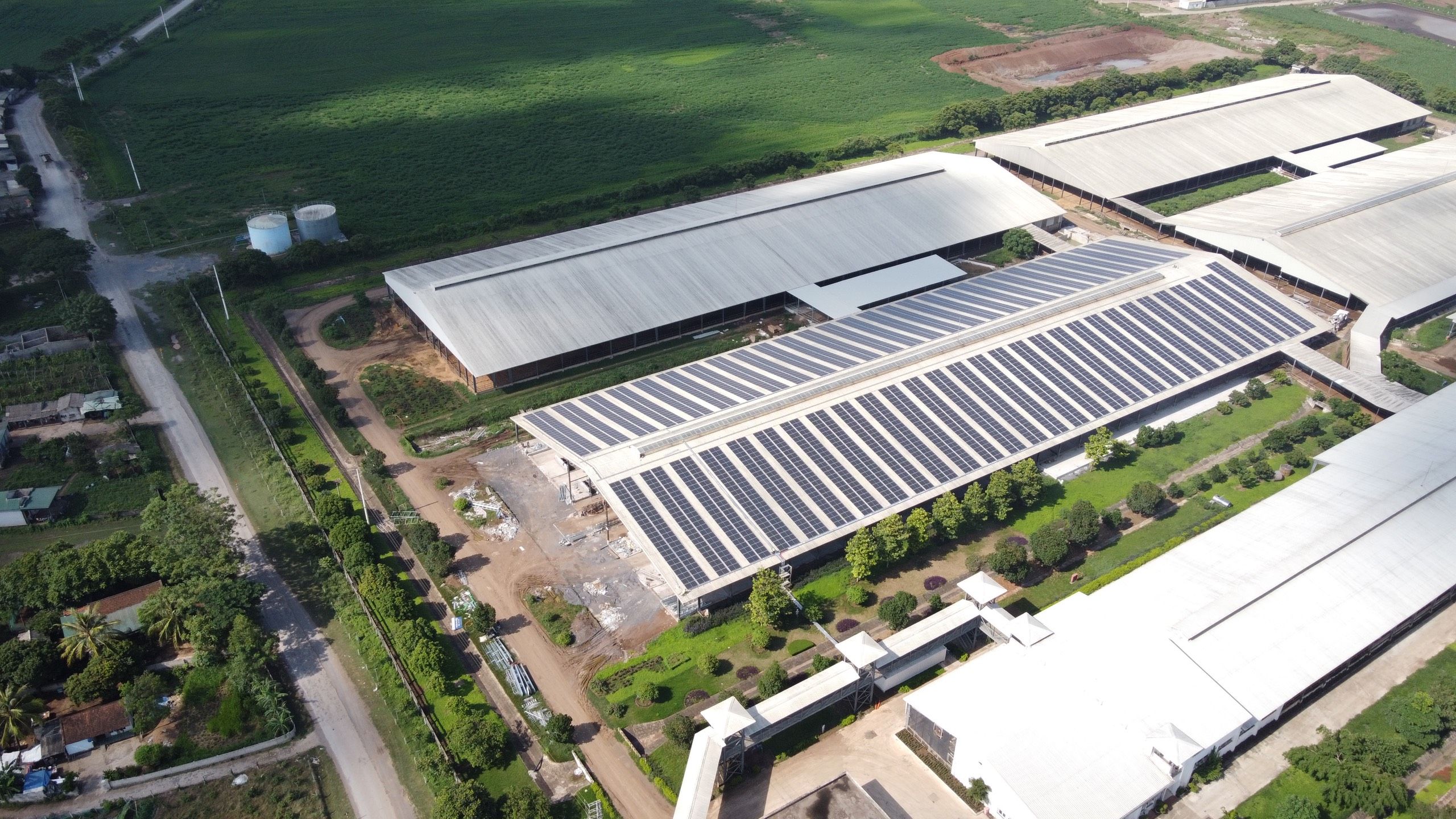
Solar power systems are used across all farms and factories
Production processes are continuously reviewed and improved to minimize energy waste. In particular, the application of smart energy management systems helps monitor and adjust consumption levels effectively, ensuring energy is used at the right time and in the right amount needed.
These efforts not only bring environmental benefits through reducing greenhouse gas emissions but also help reduce operating costs and improve business efficiency for TH True Milk.
Using renewable energy
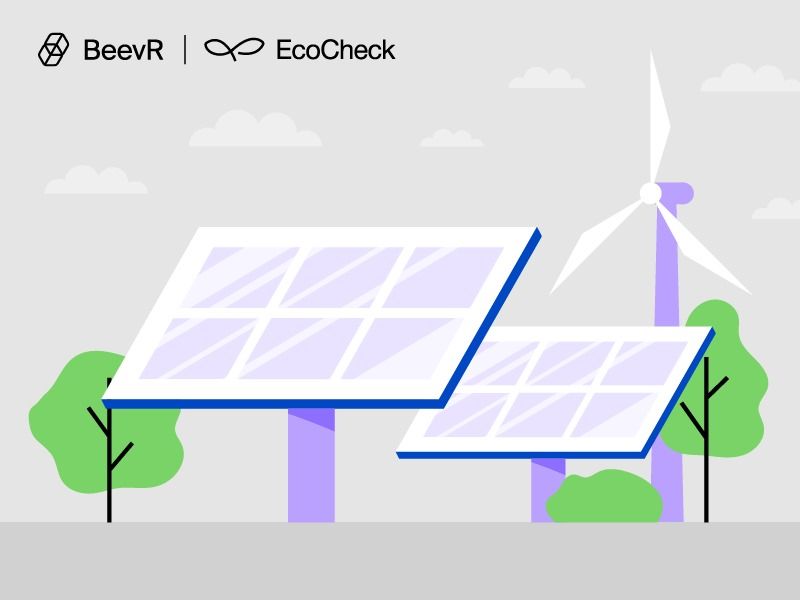
TH True Milk has made important strides in using renewable energy to reduce its dependence on traditional energy sources and cut greenhouse gas emissions. One of the notable actions is the installation of solar panel systems on the roofs of dairy farms and production factories.
In addition, at the NASU sugar factory belonging to the TH Group, 100% of the electricity used for production activities is generated by the factory itself through the technology of burning bagasse to produce steam, which is then used to run turbines to generate electricity. Utilizing this agricultural by-product not only helps reduce emissions but also demonstrates TH True Milk's commitment to moving toward a circular economy and using resources sustainably.
Reducing emissions in the supply chain
To reduce emissions in the supply chain, TH True Milk has implemented many solutions focused on minimizing plastic use and encouraging recycling.
At the TH true mart store system, traditional plastic bags have been replaced with environmentally friendly bioplastic bags. In addition, TH True Milk also organizes programs to collect used milk cartons for recycling, contributing to extending the product life cycle and reducing waste released into the environment.
The company also actively researches and pilots the use of straws made from environmentally friendly materials such as corn, cassava, and sugarcane, in order to minimize the impact of plastic straws. Another notable action is the elimination of the plastic shrink wrap covering the cap of TH true WATER 350ml purified water bottles, demonstrating its commitment to minimizing plastic use in product packaging.
These efforts show that TH True Milk not only focuses on production activities but also pays attention to minimizing environmental impact throughout its entire supply chain.
Reducing emissions from production activities
In production activities, TH True Milk has taken strong steps to minimize emissions released into the environment. One of the major changes is switching the fuel used at factories from FO oil (a type of fossil fuel) to biomass fuel, specifically burning wood chip by-products.
This change has brought impressive emission reduction results, with the total greenhouse gas emissions from the factory system reduced by more than 85% compared to 2021.
In addition, TH True Milk is also actively researching and implementing projects to use biogas generated from the treatment of livestock waste to produce energy, which is expected to be used for heating water at the factories. These efforts demonstrate TH True Milk's commitment to seeking and applying cleaner and more sustainable production solutions.
Other initiatives
In addition to its direct efforts in production and the supply chain, TH True Milk has also implemented many other initiatives to help reduce greenhouse gas emissions and promote sustainable development.
The company has been applying a circular economy model, in which by-products and waste from the production process are reused effectively. A typical example is the treatment of solid organic waste from dairy farms to produce organic fertilizer and biological bedding for barns.
TH True Milk also focuses on raising awareness and encouraging employees to adopt environmentally friendly behaviors in their work and daily lives.
In addition, the company actively participates in emission reduction programs and initiatives launched by the community and government, demonstrating its role as a responsible member of society in protecting the environment.
Technology and innovation
To achieve progress in emission reduction, TH True Milk has continuously invested in technology and innovation throughout its entire operational process.
From its very first projects, TH has boldly applied the world's leading advanced technologies in dairy farming, such as a herd management system using electronic chips worn on the legs (foot chip technology).
This technology not only helps monitor the health and productivity of each individual cow but also optimizes management activities, contributing to minimizing environmental impact. In addition, TH True Milk also invests in modern waste and emission treatment systems, ensuring waste is treated effectively before being released into the environment. The focus on technology and innovation is one of the key factors that has helped TH True Milk achieve remarkable accomplishments on its greenhouse gas emission reduction journey.
Results and Impact
Quantitative results
TH True Milk's efforts to reduce greenhouse gas emissions have brought impressive quantitative results.
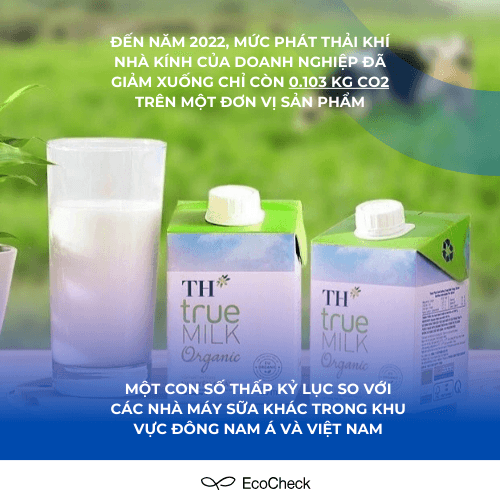
By 2022, the company's greenhouse gas emission level had dropped to only 0.103 kg CO2 per unit of product, a record low figure compared to other dairy factories in the Southeast Asia region and Vietnam.
At the farms alone, emissions per unit of product dropped by up to 20% in 2022, far exceeding the set target.
In addition, the amount of renewable electricity that TH farms generated and supplied back to the national grid reached approximately 7 million kWh in 2022, contributing to a further reduction of 4,500 tons of CO2 per year. These figures are clear evidence of the effectiveness of the measures TH True Milk has implemented.
Qualitative results
In addition to quantitative achievements, the greenhouse gas emission reduction efforts have also brought TH True Milk many valuable qualitative results.
The brand's image and reputation have been significantly enhanced in the eyes of consumers and the community, affirming its pioneering position in the field of sustainable development. The commitment to environmental protection has also become an important competitive advantage, helping TH True Milk attract and retain customers who are increasingly concerned about green products.
At the same time, a friendly working environment and social responsibility also contribute to attracting and retaining talent. Relationships with the local community and other stakeholders have also been strengthened, creating a solid foundation for long-term development. In addition, optimizing the use of energy and resources also has the potential to bring significant operating cost savings to the business.
Impact on the environment and society
TH True Milk's efforts to reduce greenhouse gas emissions not only benefit the business itself but also have positive impacts on the environment and society in general.
The significant reduction in emissions contributes to the country's overall goal of responding to climate change and moving toward a net-zero-emission future. In addition, green initiatives such as using renewable energy and reducing plastic waste create a greener and healthier working environment for staff and employees.
Moreover, through communication activities and community programs, TH True Milk also contributes to raising community awareness about the importance of environmental protection and sustainable development, encouraging positive actions for a greener planet.
Lessons Learned and Recommendations
Lessons learned
Reducing greenhouse gas emissions is not a short-term project but a continuous journey that requires long-term commitment and investment. TH True Milk has demonstrated the necessity of a comprehensive approach that integrates environmental factors into every aspect of business operations, from farm to table.
In addition, TH True Milk's experience also proves that environmental protection initiatives not only benefit the community but can also create economic value, such as saving energy costs and improving operational efficiency.
Finally, the willingness to learn, adapt, and continuously improve processes and technologies is the key factor in maintaining and developing the successes already achieved in the field of emission reduction.
Recommendations for other businesses
Start by assessing and measuring your current greenhouse gas emissions to establish a basis for building specific targets and action plans. Developing a clear emission reduction strategy with measurable goals (SMART goals) is extremely important.
Each business should seek and implement solutions suited to its industry characteristics and scale of operation, whether that is improving energy efficiency, using renewable energy, optimizing the supply chain, or applying cleaner production technology.
Do not hesitate to seek resources and support from the government, environmental organizations, and sustainable development incentive programs.
Finally, communicating and raising awareness among all employees about the importance of emission reduction and encouraging their participation in this process will contribute to creating sustainable success.
Conclusion
TH True Milk's journey to reduce greenhouse gas emissions is a typical example showing that the combination of strong commitment, investment in technology and innovation, along with a comprehensive strategy, can deliver impressive results.
From achieving a record-low emission level in the region to actively using renewable energy and optimizing the production process, TH True Milk not only affirms its pioneering role in Vietnam's dairy industry but also inspires other businesses on the path toward sustainable development.
With a long-term vision and ambitious future plans, TH True Milk continues to affirm its commitment to contributing to building a greener and better future for the community and the planet.
EcoCheck hopes this success story will encourage many other businesses to take even stronger action to minimize their environmental impact and work together toward the Net Zero goal.