Who needs to develop a greenhouse gas emission reduction plan?
What businesses need to prepare when developing a greenhouse gas emission reduction plan
Regulatory Roadmap & Greenhouse Gas Emission Reduction Measures
Greenhouse Gas Emission Reduction Solutions for the Energy Sector
Greenhouse Gas Emission Reduction Solutions for the Industrial Sector
Greenhouse Gas Emission Reduction Solutions for the Transportation Sector
Greenhouse Gas Emission Reduction Solutions for the Agricultural Sector
Greenhouse Gas Emission Reduction Solutions for the Forestry Sector
Waste Management
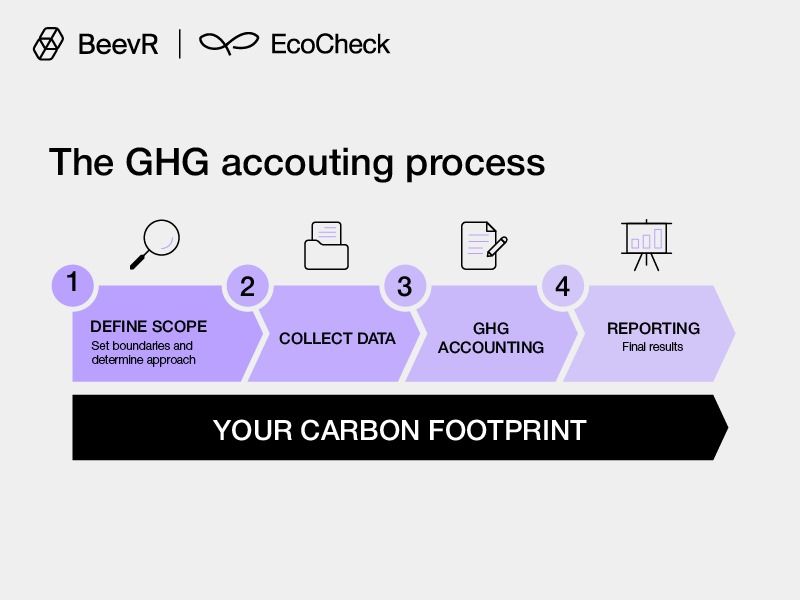
Steps for Developing a Greenhouse Gas Emission Reduction Plan
Step 1: Define the scope and objectives of the plan
Step 2: Greenhouse gas inventory
Step 3: Analyze and evaluate emission sources
Step 4: Develop emission reduction measures
Step 5: Develop a detailed action plan
Step 6: Establish a monitoring and evaluation system
Implementing the Greenhouse Gas Emission Reduction Plan
Conclusion
Greenhouse Gas Emission Reduction Solutions for Businesses
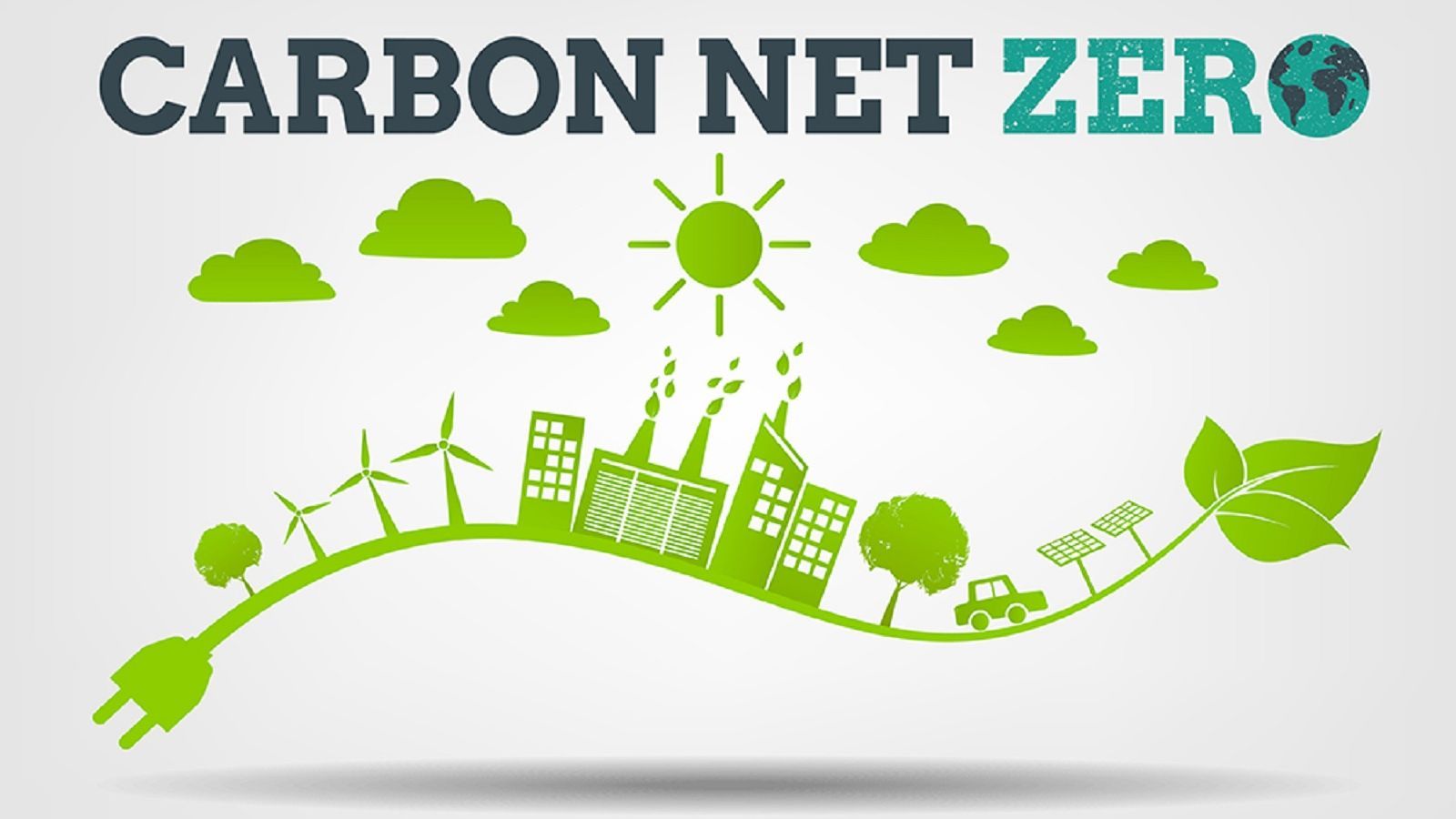
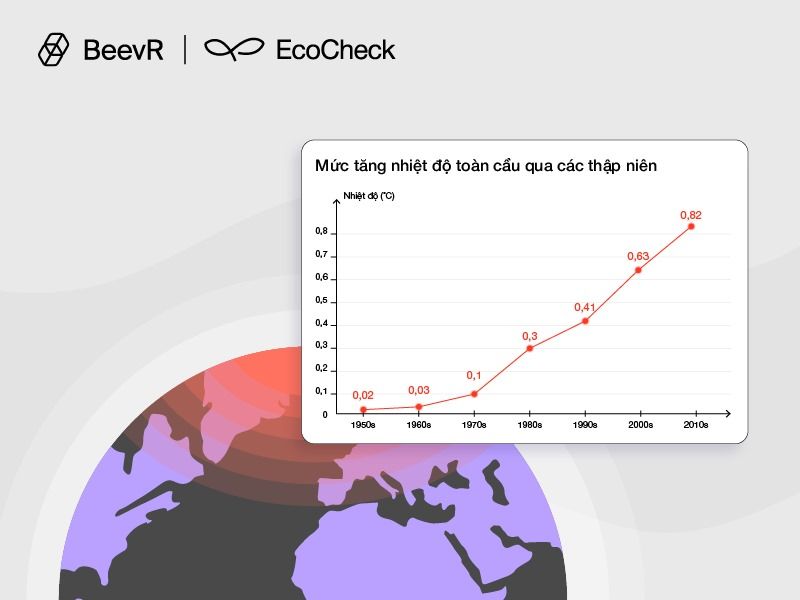
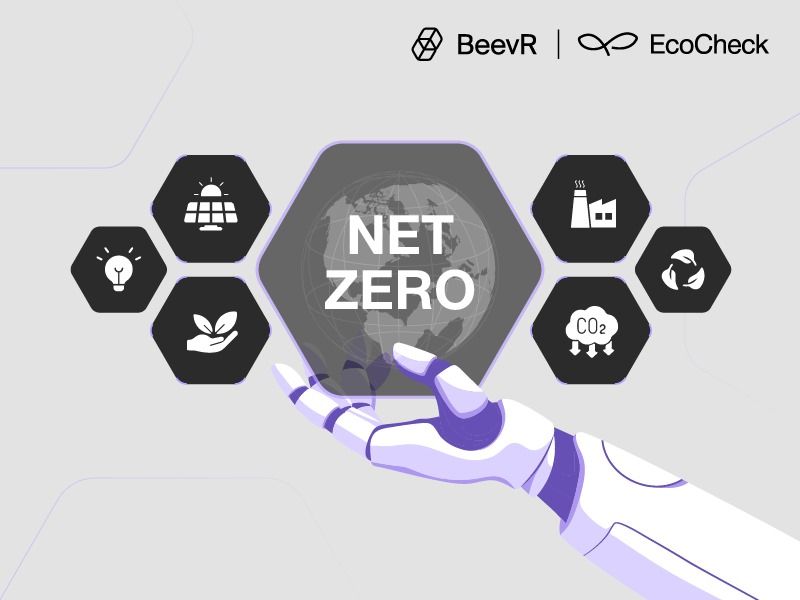
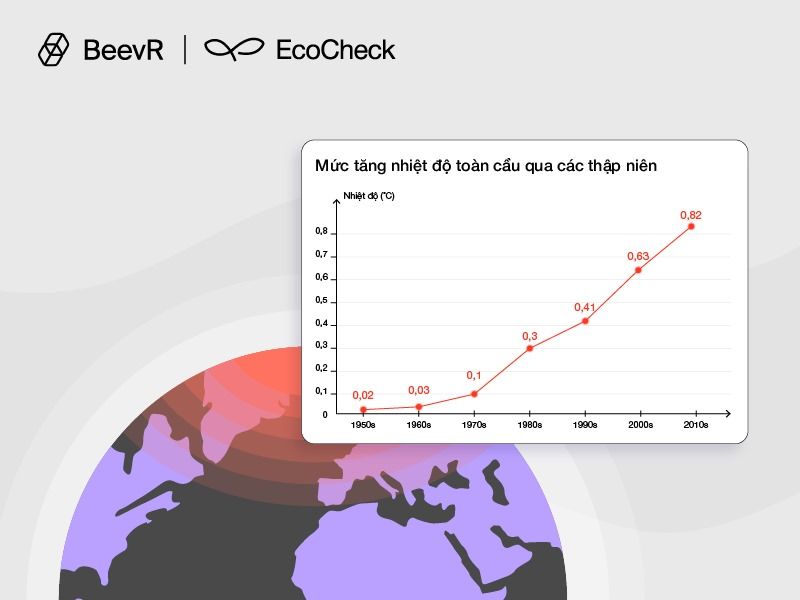
In the context of increasingly severe climate change, reducing greenhouse gas emissions (GHG) has become an urgent task. Greenhouse gases, mainly carbon dioxide (CO2), methane (CH4), and nitrous oxide (N2O), contribute to the greenhouse effect and drive up global temperatures. To address this challenge, greenhouse gas emission reduction solutions must be implemented in a coordinated way across many different sectors. Below are the main solutions in each sector and the steps for developing an emission reduction plan:
>>> See more: Greenhouse effect gases
Who needs to develop a greenhouse gas emission reduction plan?
Based on Decree 06/2022/ND-CP, businesses that consume energy of 1,000 TOE/year or more are required to develop and submit a greenhouse gas emission reduction plan. Notably, Decision 13/2024/QD-TTg specifies 06 key sectors that need to urgently complete their GHG emission mitigation plans for the 2026-2030 period, with the submission deadline set before 31/12/2025.
These sectors include energy, transportation, construction, industrial processes, agriculture, forestry and land use, along with waste management.

Therefore, businesses operating in or closely related to these 06 sectors, and at the same time meeting the energy consumption threshold, should pay particular attention and prioritize the implementation of emission reduction planning to ensure regulatory compliance and contribute to the national emission reduction target.
>>> See more: List of sectors and emission facilities required to conduct greenhouse gas inventory
What businesses need to prepare when developing a greenhouse gas emission reduction plan
To prepare for developing a greenhouse gas emission mitigation plan according to Form No. 02, Appendix IV issued together with Decree 06/2022/ND-CP, businesses need to systematically collect and analyze the following information:
- The most recent year's GHG inventory results: The inventory data must be complete, accurate, and compliant with current regulations, serving as the basis for determining current emission levels.
- Projected GHG emission levels (in the absence of mitigation measures): Analyze development trends and forecast output and capacity to estimate potential emissions in the 2026-2030 period if there is no intervention.
- Emission mitigation targets by year (2026-2030): Set specific, measurable, achievable, relevant, and time-bound (SMART) targets for each year in the plan period.
- Potential emission mitigation measures:
- Research and evaluate available technologies and solutions.
- Consider the technical, economic, and resource feasibility of implementing each measure.
- Select the measures most suited to the business's specific operations.
- Monitoring and supervision plan: Develop processes, indicators, and tools to track the implementation of mitigation measures and evaluate emission reduction effectiveness over time.
- Understand the regulations on amending and supplementing the plan: Keep up to date with legal regulations related to adjusting the plan when there are changes in scale, technology, or upon request from the management authority.
>>> See more: The 9-step greenhouse gas inventory process businesses need to know
Regulatory Roadmap & Greenhouse Gas Emission Reduction Measures
According to the provisions of Article 7 of Decree 06/2022/ND-CP, the roadmap for reducing greenhouse gas emissions for facilities within its scope is established specifically and in phases as follows:
- Preparation and initial implementation phase:
- Facilities within the regulated scope are responsible for providing complete and accurate information and activity data to support facility-level greenhouse gas inventory.
- Proactively develop and implement greenhouse gas emission mitigation measures suited to the facility's specific conditions in terms of technology, resources, and production processes.
- Quota-based implementation phase (from 2026 to the end of 2030):
- Conduct periodic greenhouse gas inventory as prescribed.
- Develop and implement emission mitigation plans based on the greenhouse gas emission quotas allocated by the Ministry of Natural Resources and Environment.
- Be allowed to participate in exchanging and trading greenhouse gas emission quotas on the carbon credit exchange.
- Have the right to buy and sell carbon credits on the carbon credit exchange.
- Incentives for new investment projects:
- Prioritize applying technologies and production and service delivery processes with low GHG emissions.
- Encourage participation in mechanisms and forms of cooperation on GHG emission mitigation in accordance with Vietnamese law and the international treaties to which Vietnam is a member.
Greenhouse Gas Emission Reduction Solutions for the Energy Sector
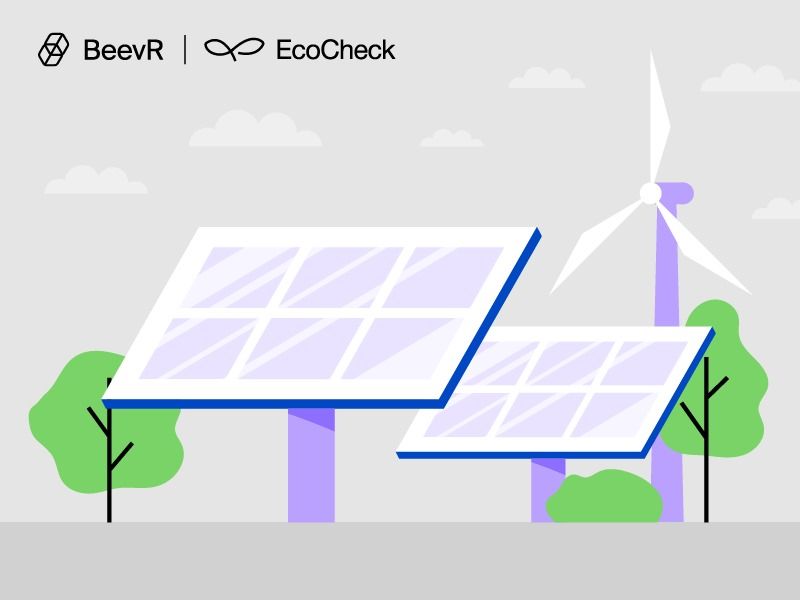
Transitioning to renewable energy sources: One of the most effective ways to reduce greenhouse gas emissions is to switch from fossil energy sources to renewable energy such as solar, wind, hydropower, and geothermal. These energy sources do not emit CO2 during production and use, helping to reduce the amount of greenhouse gases in the atmosphere.
Enhancing energy efficiency: Improving technology and applying energy-saving measures in production facilities, factories, and energy-consuming equipment. Upgrading lighting, insulation, and energy-efficient equipment helps reduce energy consumption and CO2 emissions.
Encouraging the use of clean energy: Support policies and incentives for using clean energy, such as rooftop solar power or the installation of solar panel systems, also contribute to reducing the amount of greenhouse gases.
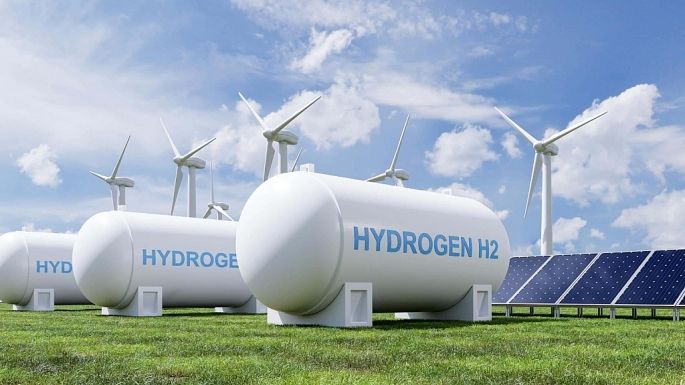
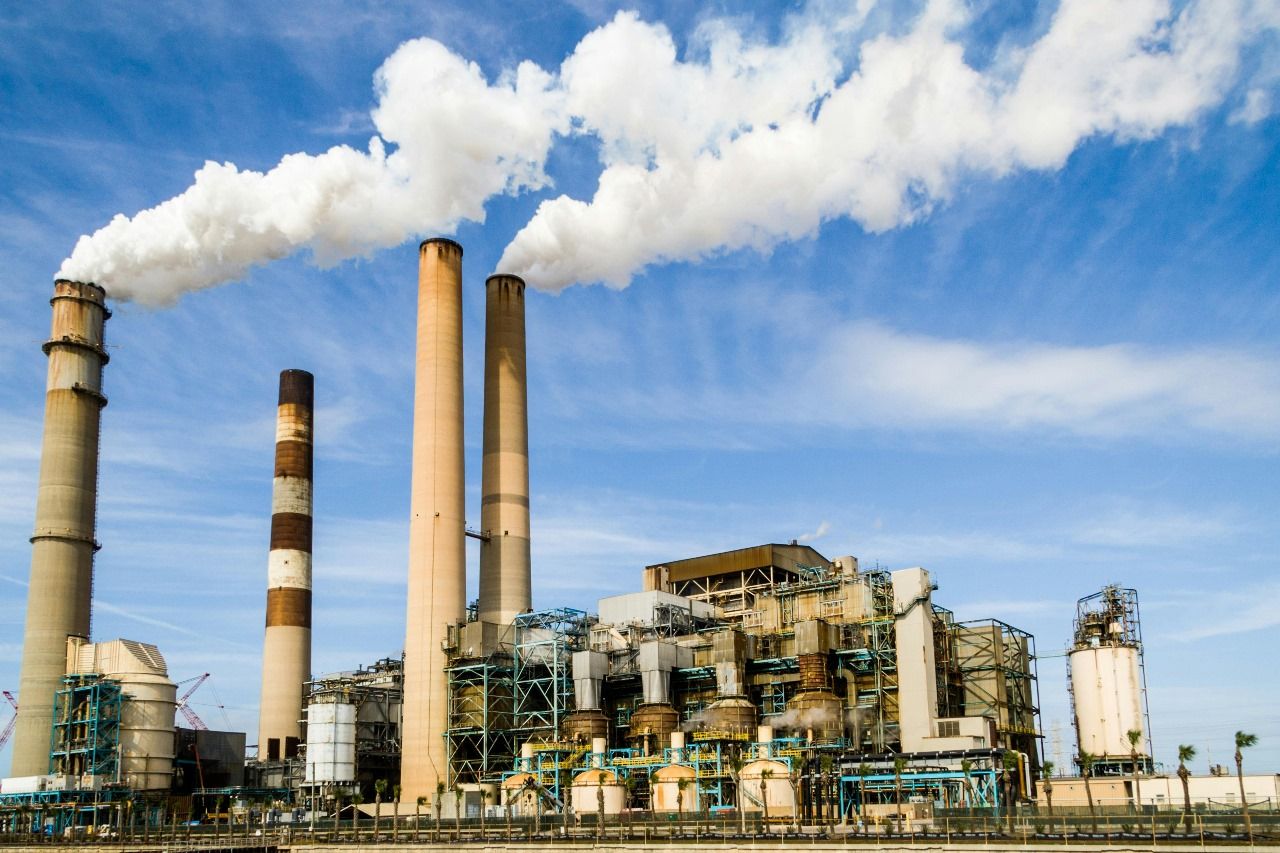
Reducing greenhouse gas emissions in the Energy sector
Greenhouse Gas Emission Reduction Solutions for the Industrial Sector
Improving production processes: Clean technology and efficient production processes help reduce greenhouse gas emissions. For example, applying carbon capture and storage (CCS) technology to capture and store CO2 before it is released into the environment can reduce emissions from industrial plants.
Enhancing recycling and the use of recycled materials: Applying effective recycling methods and using recycled materials helps reduce the need to extract new raw materials and lowers emissions from production. Industrial plants can adopt green production processes and use alternative materials to reduce environmental impact.
Managing industrial waste: Using advanced technologies in waste treatment, such as emission treatment systems and non-polluting waste treatment methods, to reduce greenhouse gas emissions from industrial activities.
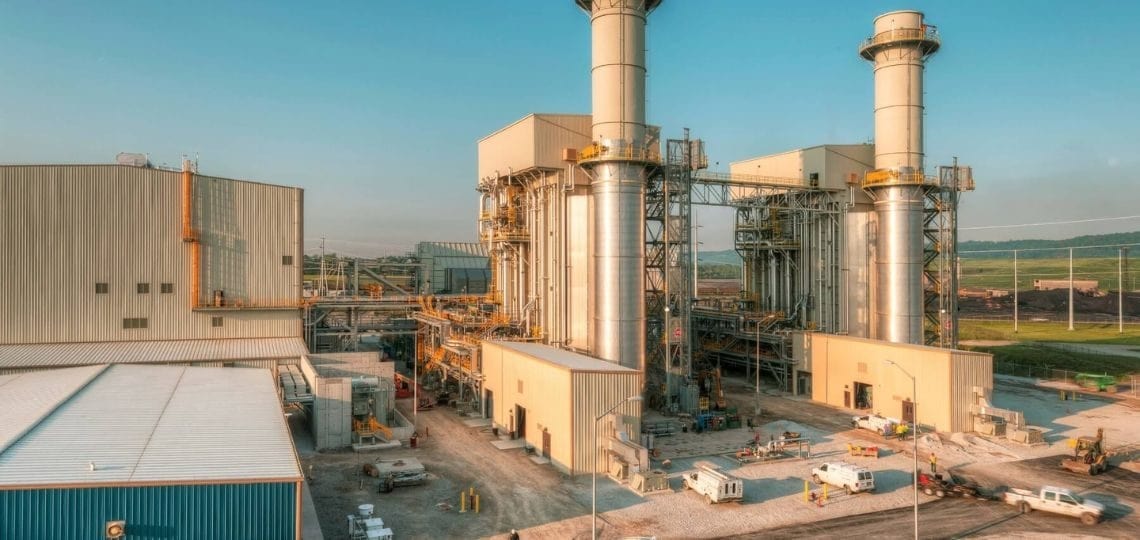
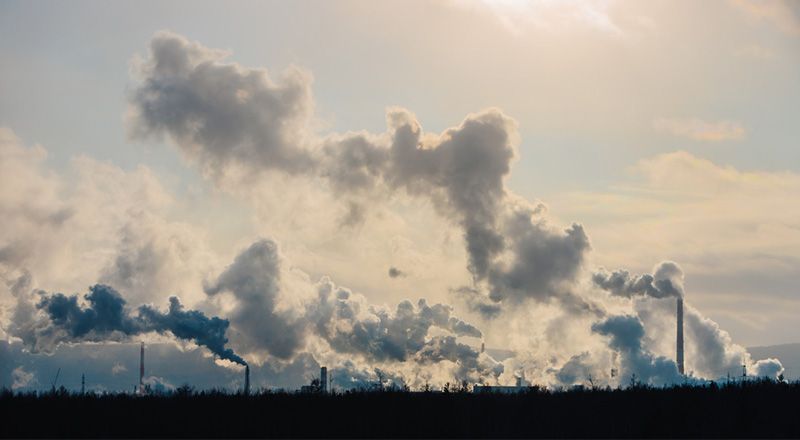
Reducing greenhouse gas emissions in the Industrial sector
Greenhouse Gas Emission Reduction Solutions for the Transportation Sector
Encouraging the use of public transportation: Using public transportation instead of private cars helps reduce CO2 emissions from vehicles. Cities can invest in more efficient and convenient public transportation systems.
Developing electric and hybrid vehicles: Electric and hybrid vehicles have lower greenhouse gas emissions compared to vehicles running on fossil fuels. Encouraging the use of electric vehicles through support policies, tax incentives, and the development of charging infrastructure is also an effective solution.
Improving fuel efficiency: Applying fuel-saving technology and improving engine performance helps reduce fuel consumption and the amount of emissions generated by vehicles.
Greenhouse Gas Emission Reduction Solutions for the Agricultural Sector
Enhancing land and crop management: Applying sustainable agricultural methods such as planting cover crops, reducing chemical fertilizer use, and managing water efficiently helps reduce methane and nitrous oxide emissions from agricultural activities.
Using smart agricultural technology: High-tech solutions such as smart irrigation systems, smart fertilizers, and effective disease management can reduce greenhouse gas emissions and optimize agricultural production.
Developing biological solutions: Using biological techniques such as treating agricultural waste to produce compost and bioenergy helps reduce the amount of greenhouse gases emitted from agricultural activities.

Reducing greenhouse gas emissions in the Agricultural sector
Greenhouse Gas Emission Reduction Solutions for the Forestry Sector
Protecting and restoring forests: Forests play an important role in absorbing CO2 from the atmosphere. Forest protection and restoration programs, such as planting new forests and maintaining existing forest areas, help reduce the amount of greenhouse gases and protect biodiversity.
Managing forest resources sustainably: Harvesting forests sustainably, including applying sound forest management techniques and minimizing negative impacts, helps protect forest ecosystems and reduce greenhouse gas emissions.
Encouraging the use of sustainable wood products: Using wood products from sustainable and certified sources helps reduce pressure on forest exploitation and protect important forests.
Waste Management
Enhancing recycling and reducing waste: Encouraging recycling and reducing waste helps limit the amount of methane generated from landfills. Effective waste sorting and recycling programs can reduce greenhouse gas emissions.
Applying new waste treatment technology: Using advanced technologies in waste management, such as biodegradation systems and emission treatment technology, helps reduce the amount of greenhouse gases from waste.
Educating the community on waste management: Raising community awareness of the importance of reducing, recycling, and treating waste effectively can drive behavioral change and reduce greenhouse gas emissions.
Steps for Developing a Greenhouse Gas Emission Reduction Plan
Step 1: Define the scope and objectives of the plan
The first and extremely important step in the process of developing a greenhouse gas emission reduction plan is to clearly define the scope of operations that the plan will cover. This could be the entire organization, a factory, a specific production process, or even a supply chain.
At the same time, it is necessary to set specific, measurable, achievable, relevant, and time-bound objectives (the SMART principle). These objectives will serve as the guiding compass for the entire process of developing and implementing the plan, while also helping to evaluate the effectiveness of emission reduction actions later on.
Step 2: Greenhouse gas inventory
The next important step in the process of developing an emission reduction plan is to conduct a greenhouse gas inventory.
This is the process of systematically collecting data on all greenhouse gas emission sources within the scope defined in the previous step. This includes identifying the types of greenhouse gases emitted (for example: CO2, CH4, N2O), the amount of emissions from each source (for example: fuel combustion, electricity use, industrial processes), and calculating total emissions.
The results of this inventory process will provide a comprehensive picture of the organization's current emission status, thereby serving as the basis for analyzing, evaluating, and developing effective mitigation measures.
Step 3: Analyze and evaluate emission sources
After completing the inventory, the next step is to analyze and evaluate in detail the identified greenhouse gas emission sources.
This process includes identifying the largest emission sources, which contribute the most to the organization's total emissions. At the same time, it is necessary to evaluate the emission reduction potential of each source, considering factors such as available technology, the cost of implementing mitigation measures, and other potential impacts.
This thorough analysis and evaluation will help the organization focus its resources on the areas with the potential to deliver the highest emission reduction effectiveness.
>>> See more: EcoCheck greenhouse gas inventory service
Step 4: Develop emission reduction measures
Based on the results of analyzing and evaluating the emission sources, the next step is to develop specific measures to reduce the amount of greenhouse gas emissions.
These measures can be very diverse, depending on the specific characteristics of each organization and industry. For example, in the energy sector, measures may include switching to the use of renewable energy and improving energy efficiency in production and operations. In the agricultural sector, sustainable farming methods can be applied and the use of chemical fertilizers reduced.
The selection of measures needs careful consideration of technical feasibility, investment and operating costs, as well as the expected emission reduction effectiveness.
Step 5: Develop a detailed action plan
After identifying the potential emission reduction measures, we need to develop a detailed action plan to implement them.
This plan needs to specify each action to be taken, including the start and end times, the necessary resources (financial, human, materials), and especially the person responsible for carrying out each action.
Having a clear action plan helps ensure that emission reduction measures are implemented systematically and effectively, avoiding vagueness and a lack of accountability.
Step 6: Establish a monitoring and evaluation system
To ensure the greenhouse gas emission reduction plan achieves the desired effectiveness, establishing a monitoring and evaluation system is extremely important.
This system includes defining specific performance measurement indicators (for example: the amount of emissions reduced, the energy consumption saved) and establishing processes for collecting, analyzing, and reporting data periodically.
Through continuous monitoring and evaluation, the organization can grasp the progress of implementing the plan, identify emerging issues, and make timely adjustments to achieve the set objectives.
Implementing the Greenhouse Gas Emission Reduction Plan
After having a detailed action plan, the next stage is to implement the activities that have been laid out. This requires close coordination among the relevant departments and individuals, ensuring that the necessary resources are allocated to the right purpose and at the right time.
Implementation may include investing in new technology, changing work processes, carrying out awareness-raising training programs, or deploying energy-saving measures. Determination and commitment to implementation from all levels within the organization is the key factor to ensuring that activities are carried out effectively and on schedule.
During the implementation phase of the emission reduction plan, closely tracking and monitoring progress is extremely necessary. This includes regularly collecting data on the established performance indicators, comparing them against the set objectives, and evaluating whether activities are being carried out according to plan.
Close monitoring helps detect early any problems or delays that may occur, thereby enabling timely adjustment measures to ensure the plan stays on track and achieves the set emission reduction objectives.
Conclusion
Reducing greenhouse gas emissions is an essential task in the fight against climate change and the protection of the environment. Greenhouse gas emission reduction solutions and plans in the energy, industry, transportation, agriculture, forestry, and waste management sectors not only help protect the environment but also contribute to sustainable economic development.
Each sector plays an important role in reducing greenhouse gases, and only when all sectors join hands can we achieve the global goal of mitigating climate change. Let us act today to build a greener and cleaner world for present and future generations!
EcoCheck is a pioneering, comprehensive greenhouse gas inventory solution suite in Vietnam, helping businesses meet regulatory inventory requirements, enhance corporate responsibility, and attract investors interested in the environment.
Contact us to receive consulting on a greenhouse gas inventory and emission reduction roadmap today!
BeevR Technology Company Limited
Address: 125 Hoang Ngan, Trung Kinh, Cau Giay, Hanoi
Hotline: 037.6869.366
Email: [email protected]
Website: https://ecocheck.ai/