What is a GHG inventory?
Why is a GHG inventory necessary?
Vietnam aims for the goal of net zero emissions by 2050
Regulations on GHG inventory in Vietnam
Vietnam's legal regulations on GHG inventory
Standards and regulations that businesses need to pay attention to
Sectors required to carry out a GHG inventory
The 3 scopes in a GHG inventory
Entities required to carry out a GHG inventory
Roadmap for carrying out a GHG inventory
The GHG inventory process
Benefits of carrying out a GHG inventory
Guidance on choosing a GHG inventory organization
1. Choose a Service That Suits the Business's Needs
2. Choose a Reputable, Experienced Consulting Company
3. Compare Prices and Service Quality
4. Assess the Attitude and Support From the Consulting Company
5. Consult the Opinions of Other Businesses
Why choose EcoCheck?
Greenhouse Gas Emission Reduction Module
Reasons to choose the EcoCheck GHG inventory service:
EcoCheck Greenhouse Gas Inventory Service
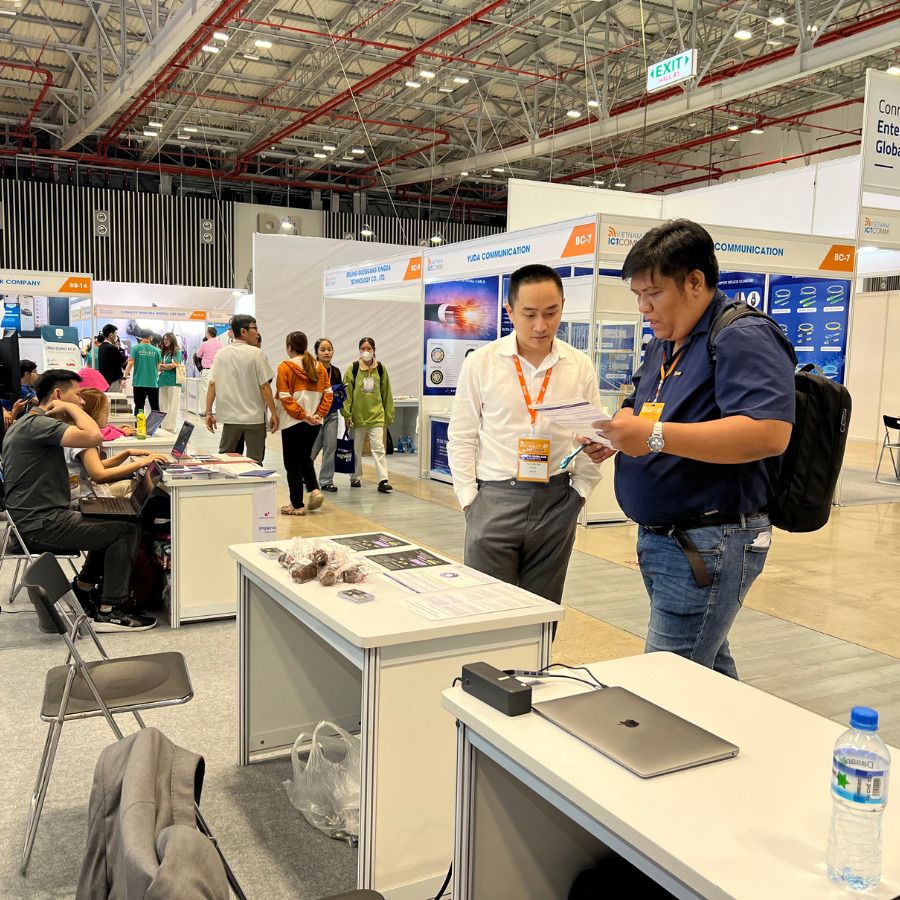
GHG inventory is becoming an urgent need for businesses on the inventory list under Decree 06/2022/ND-CP. This article will provide everything you need to know about GHG inventory: the sectors that must carry out an inventory, the scopes, the entities subject to inventory, the roadmap, the process, and a reputable GHG inventory service for businesses. For businesses within the scope of inventory, especially those conducting a GHG inventory for the first time, a GHG inventory service will be the optimal and comprehensive solution, helping businesses inventory and report emissions effectively and accurately.
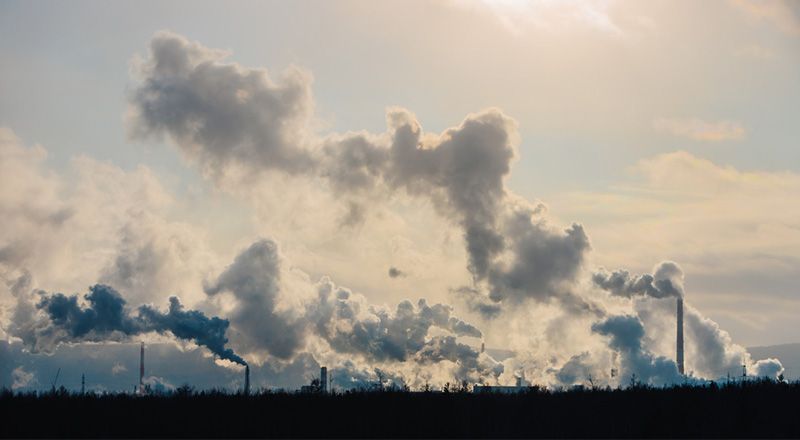
GHG inventory is becoming an urgent need for businesses.
What is a GHG inventory?
A greenhouse gas (GHG) inventory is the activity of collecting information and data on greenhouse gas emission sources, and calculating the amount of greenhouse gas emissions and removals within a defined scope and in a specific year, according to the methods and processes issued by the competent authority.
This is a mandatory activity for the sectors and businesses specified in Decision No. 13/2024/QD-TTg issued by the Prime Minister on the list of sectors and facilities required to carry out a GHG inventory.
>>> See more: Frequently asked questions about GHG inventory services
Why is a GHG inventory necessary?
Conducting a GHG inventory plays a key role in efforts to respond to climate change. First and foremost, it helps organizations, businesses and nations clearly understand the amount of greenhouse gases they emit from various activities, thereby identifying the main emission sources.
This is an important basis for building specific and effective emission reduction targets. Moreover, a GHG inventory allows the progress of emission reduction measures to be tracked over time, and the effectiveness of the policies and actions implemented to be assessed. For businesses, this not only helps them comply with legal regulations but also enhances their reputation and social responsibility, while opening up opportunities to save costs through the optimization of energy and production processes.
At the national level, GHG inventory data is the foundation for building policies to respond to climate change, fulfilling international commitments and contributing to the common global goal of mitigating the negative impacts of this phenomenon.
Vietnam aims for the goal of net zero emissions by 2050
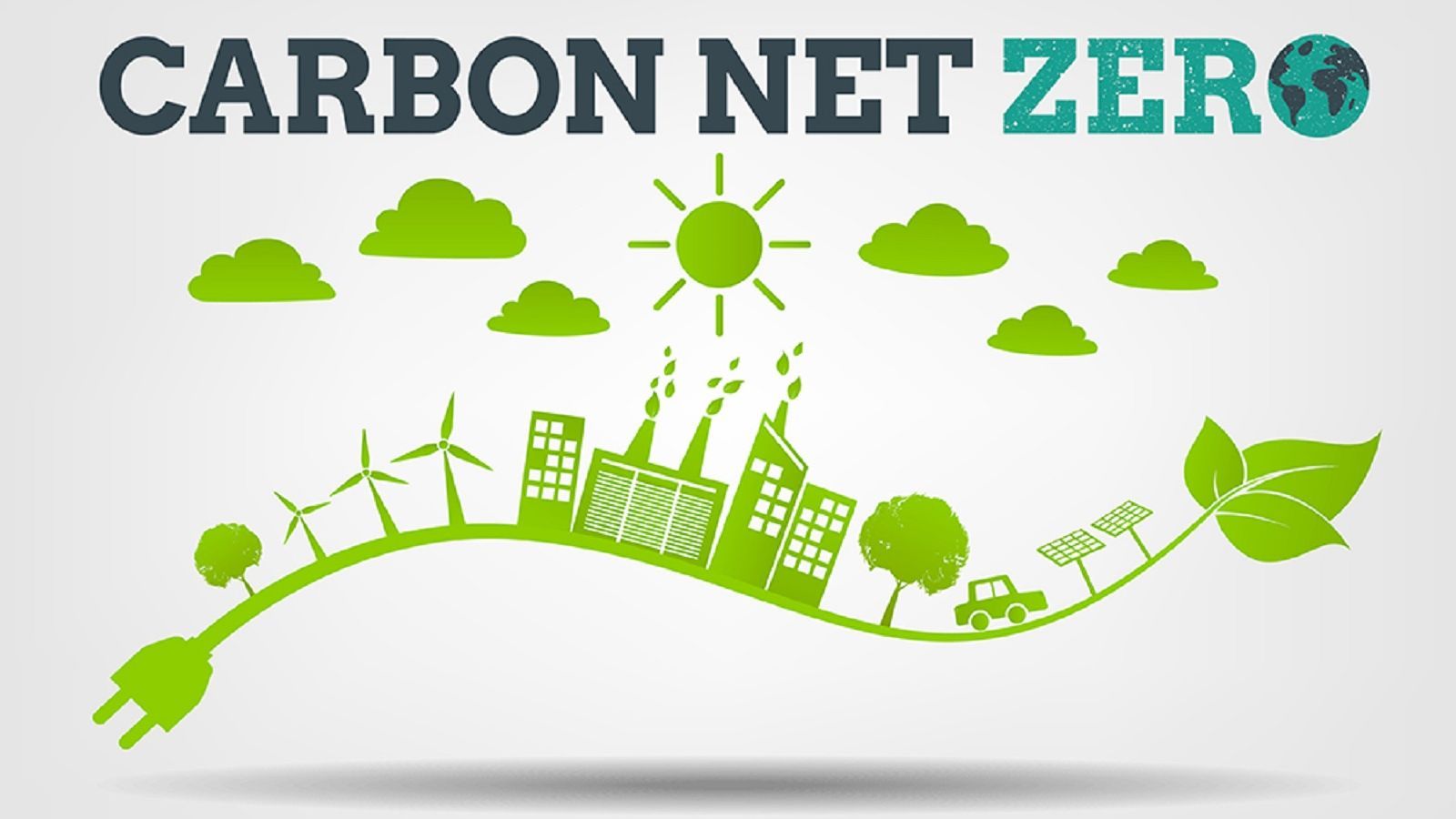
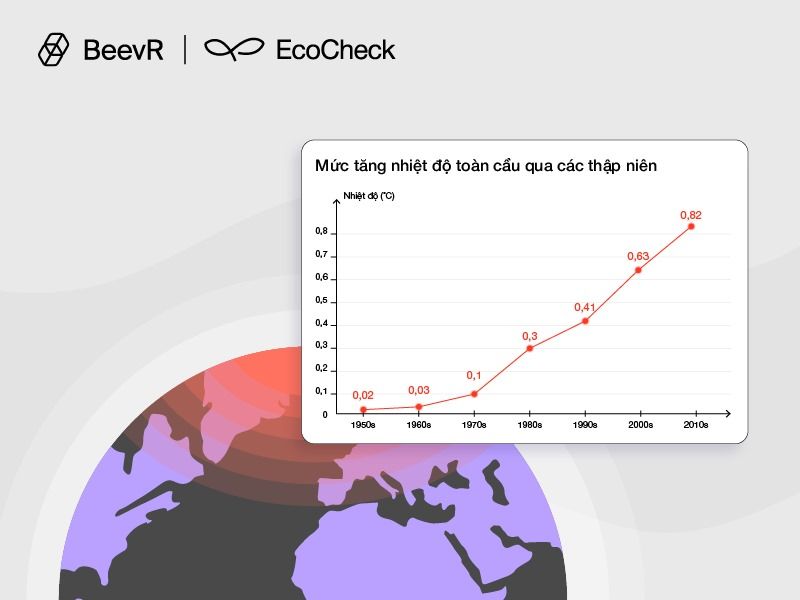
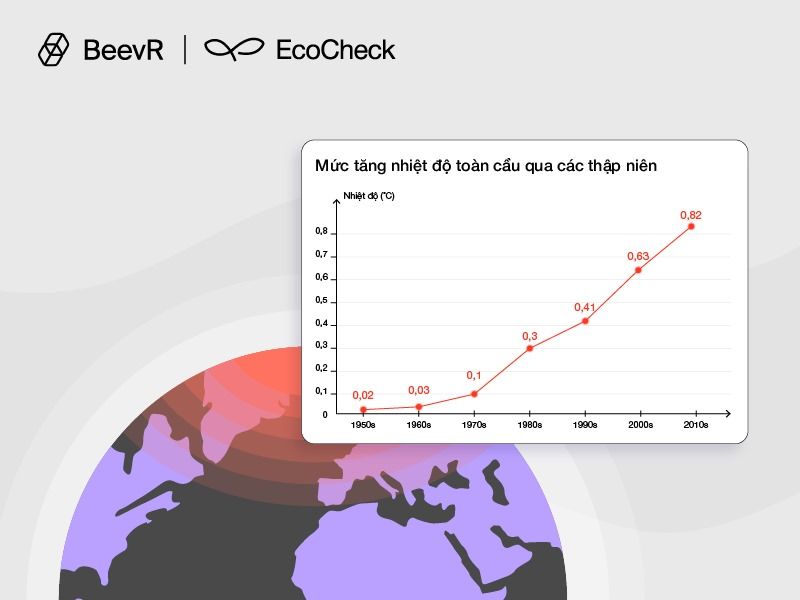
Climate change is an irreversible trend, and Vietnam is not outside the effort to respond to this issue together with the international community. At the COP 26 Conference, Prime Minister Pham Minh Chinh committed that Vietnam would strive to achieve net zero emissions by 2050, with support from the international community and domestic resources. To achieve this goal, we have built strategies and plans to reduce emissions along a roadmap, in which accurately inventorying the amount of greenhouse gas emissions is a key factor.
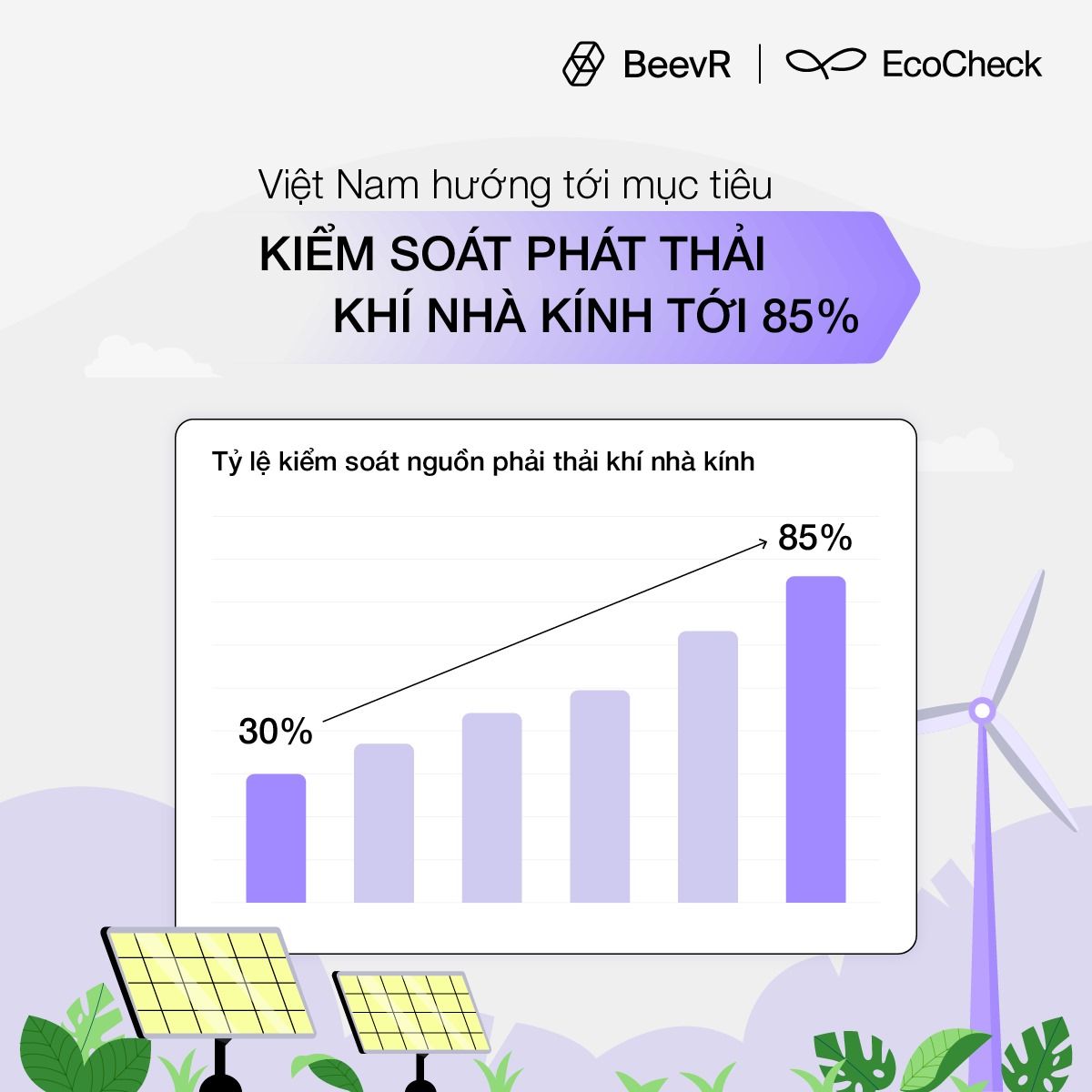
Under the Law on Environmental Protection, the Government will update the list of sectors and facilities emitting greenhouse gases that need to carry out a periodic inventory every two years. The first list was issued in 2022 under Decision No. 01/2022/QD-TTg, covering 6 sectors and 1,912 facilities. On August 13, 2024, the Prime Minister updated this list under Decision No. 13/2024/QD-TTg, covering 6 sectors and 2,166 facilities, accounting for about 30% of total national greenhouse gas emissions.
These facilities will have to carry out GHG inventories according to the guidance of the sector-managing ministries (the Ministry of Industry and Trade, the Ministry of Transport, the Ministry of Construction, the Ministry of Natural Resources and Environment) and submit inventory reports in accordance with the Government's Decree on greenhouse gas emission mitigation and ozone layer protection. In the future, Vietnam will continue to review and gradually increase the number of facilities subject to inventory in order to raise the rate of greenhouse gas emission source control from 30% at present to 85%, meeting the requirements of the Paris Agreement on climate change.
Regulations on GHG inventory in Vietnam
Vietnam's legal regulations on GHG inventory
Vietnamese law has issued important regulations to ensure that the GHG inventory process is carried out in a transparent and effective manner. Key legal documents such as the Law on Environmental Protection 2020 and the Decrees and Circulars providing detailed guidance have established a legal framework for GHG inventory.
Accordingly, production and business facilities on the prescribed list must carry out periodic GHG inventories and report the results to the competent state management agencies.
The objective of these regulations is to monitor and assess the country's greenhouse gas emissions, serving as a basis for building appropriate emission reduction policies and contributing to fulfilling Vietnam's international commitments on responding to climate change.
Law on Environmental Protection 2020 (Law No. 72/2020/QH14)
The Law on Environmental Protection 2020 (Law No. 72/2020/QH14) is an important legal document, marking a new step forward in environmental protection work in Vietnam. This law was issued to address the increasing environmental challenges, while institutionalizing the guidelines and policies of the Party and State on sustainable development. With a broad scope of regulation, the Law on Environmental Protection 2020 focuses on key contents such as waste management, protection of air, water and soil environmental quality, biodiversity conservation, responding to climate change, and strengthening the responsibility of organizations and individuals in protecting the environment.
Effective from January 1, 2020, the Law on Environmental Protection 2020 (as prescribed in Section 7, Article 91) requires organizations and businesses subject to GHG emission inventory to carry out a number of important tasks as follows:
- Entities need to build and maintain a data system on greenhouse gas emissions.
- Businesses must carry out a GHG inventory once every two years and submit a report to the Ministry of Natural Resources and Environment before December 1 of the reporting period.
- Businesses are responsible for seeking solutions and implementing annual plans to mitigate carbon emissions, as well as environmental protection and clean production programs in their operations.
- Businesses need to develop plans for the annual level of greenhouse gas emission reduction and report to the Ministry of Natural Resources and Environment and other competent authorities before December 31 of the reporting period.
Circular No. 96/2020/TT-BTC
Under Section 2, Article 10 of Circular No. 96/2020/TT-BTC, businesses are obligated to prepare an annual report on GHG inventory. This report must be made according to the form prescribed in Appendix IV of the Circular. The deadline for disclosing the report is within 20 days from the date of completing the annual financial audit; however, the disclosure time must not be later than 110 days from the end of the financial year.
Decree No. 06/2022/ND-CP
Decree No. 06/2022/ND-CP was issued on January 7, 2022, detailing the implementation of a number of articles of the Law on Environmental Protection 2020 regarding responding to climate change. This Decree plays an important role in concretizing the legal regulations related to greenhouse gas emission mitigation, adaptation to climate change, and ozone layer protection.
In particular, the Decree includes detailed guidance on GHG inventory for different entities, specific emission reduction measures for each sector, as well as regulations on reporting and monitoring activities to respond to climate change, in order to effectively fulfill Vietnam's international commitments on this issue.
Standards and regulations that businesses need to pay attention to
To carry out a GHG inventory effectively and meet legal requirements as well as international standards, businesses need to pay particular attention to the following standards and regulations:
- The Higg Index (Higg FEM 3.0): This is an important tool for businesses to self-assess and improve their environmental performance, measured on a scale of 100.
- The TCVN ISO 14064-1:2018 standard: This national standard provides technical specifications and detailed guidance on how to quantify and report greenhouse gas emissions and removals.
- The Global Recycled Standard (GRS 4.0): Although focused on recycled material content, this standard also contributes to reducing greenhouse gas emissions by encouraging the use of recycled materials.
- The Global Organic Textile Standard (GOTS 6.0): For the textile industry, this standard not only controls the origin of organic materials but also limits the use of hazardous chemicals in the production process, thereby having a positive impact on reducing emissions.
Sectors required to carry out a GHG inventory
According to the Government's Decision No. 01/2022/QD/TTg, the following sectors must carry out a GHG inventory:
SECTOR | EMISSION SOURCES |
| Energy | Energy production industry |
| Commercial, industrial, residential and service energy consumption | |
| Coal, oil and natural gas extraction | |
| Transport | Energy consumption in the transport sector |
| Construction | Energy consumption in Construction |
| Industrial processes in the building materials manufacturing industry | |
| Industry | Chemical manufacturing industry |
| Metallurgy industry | |
| Electronics industry | |
| Use of substitute products for ozone-depleting substances | |
| Manufacturing and use of other industrial products | |
| Forestry, Agriculture and Land Use | Livestock sector |
| Forestry and land-use change sector | |
| Crop cultivation sector | |
| Energy consumption activities in Agriculture, Forestry and Fisheries | |
| Emission sources from agricultural activities | |
| Waste treatment | Solid waste landfills |
| Biological treatment of solid waste | |
| Open burning and incineration of waste | |
| Wastewater treatment and discharge |
>>> See more: List of sectors and emission facilities required to carry out a GHG inventory
The 3 scopes in a GHG inventory
Greenhouse gas (GHG) emissions are classified into three main scopes according to international standards:
- Scope 1: Includes direct emissions from sources that the organization owns or controls, such as industrial production processes, on-site fuel combustion, or gas leaks from refrigeration systems.
- Scope 2: Includes indirect emissions related to the organization's use of electricity, heat or steam purchased externally.
- Scope 3: Includes all remaining indirect emissions not covered by Scope 1 and 2, arising in the organization's value chain. This includes both upstream activities such as transportation of input goods and purchase of raw materials, and downstream activities such as waste treatment or use of sold products.
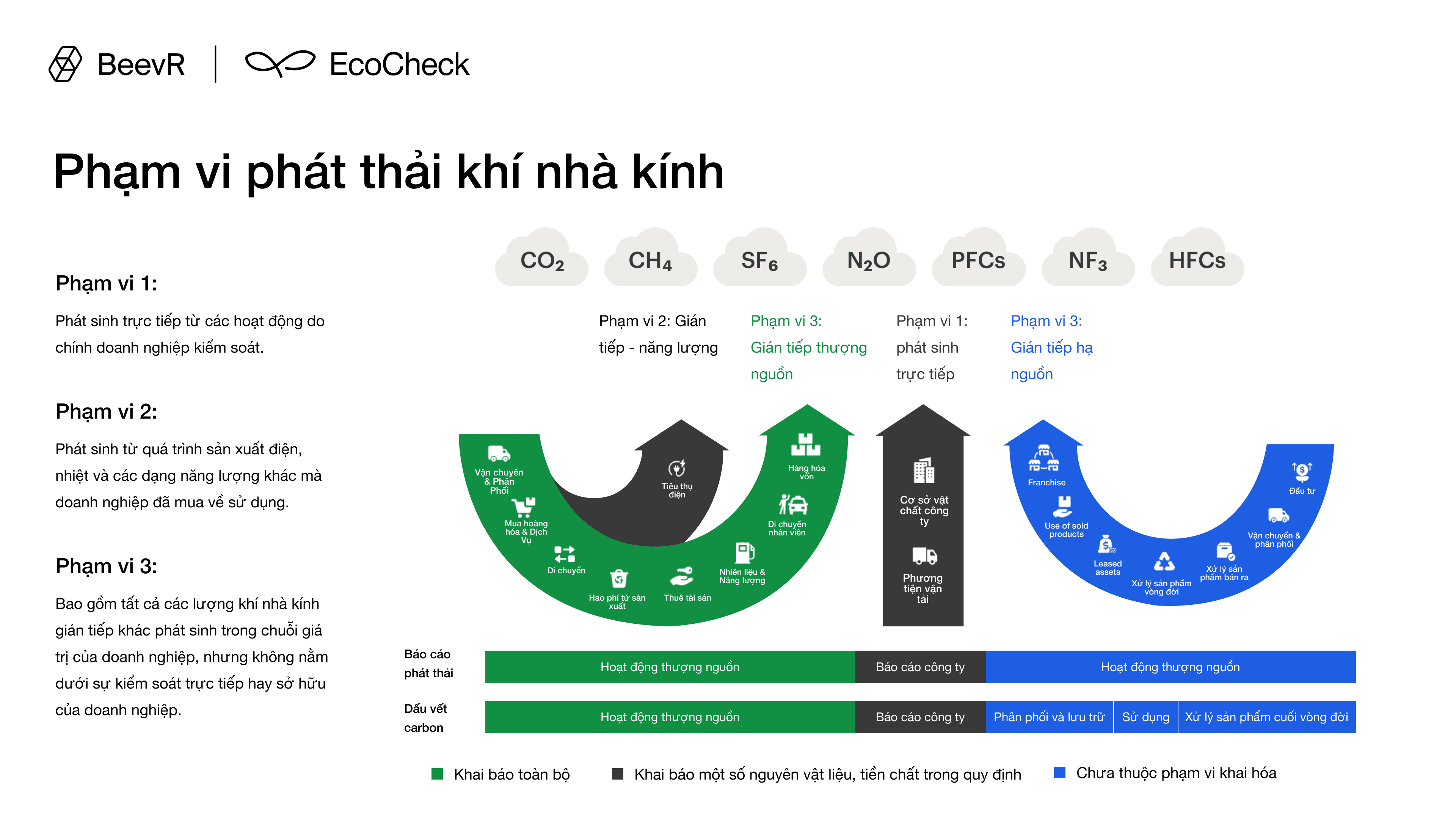
Greenhouse gas (GHG) emissions are classified into three main scopes
>>> See more: Distinguishing direct and indirect emissions in a GHG inventory
Entities required to carry out a GHG inventory
The Prime Minister's Decision No. 13/2024/QD/TTg, issued on August 13, 2024, stipulates that more than 2,000 entities are required to carry out a GHG inventory. These are entities with greenhouse gas emissions of 3,000 tons of CO2 per year or more, including:
- Industrial manufacturing plants, power generation facilities, freight transport businesses, and commercial centers that consume 1,000 tons of oil equivalent (TOE) or more per year.
- Solid waste treatment units with an annual operating capacity of 65,000 tons or more.
Businesses that are not on the mandatory GHG inventory list can still carry out this activity and publicly disclose information about their GHG inventory reports in order to build a sustainable organizational image, gain the trust of stakeholders, and so on.
Roadmap for carrying out a GHG inventory
The roadmap for carrying out activities related to GHG inventory in Decree 06/2022/ND-CP:

The roadmap for carrying out activities related to GHG inventory from 31/03/2023 to 31/03/2027.
The GHG inventory process
The GHG inventory process consists of 8 steps set out in the following table:
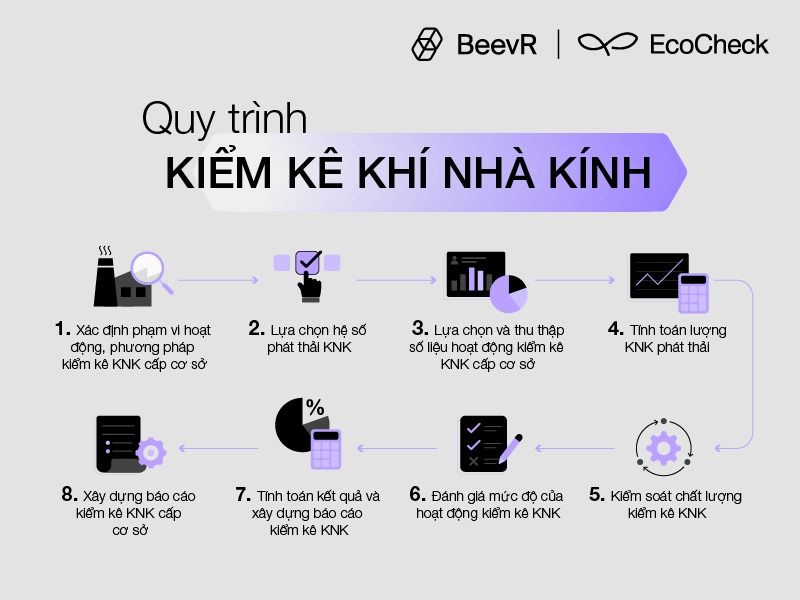
The GHG inventory process.
>>> See more:
Difficulties in GHG inventory activities
Common GHG inventory methods and standards
Benefits of carrying out a GHG inventory
Below are the benefits explaining why a GHG inventory is necessary:
- Compliance with domestic and international legal regulations: Vietnam, along with many other countries, requires businesses to report their emissions to ensure compliance with environmental laws. Businesses that comply well with emission standards can more easily expand into international markets.
- Managing and reducing emissions: An inventory helps an organization identify its main emission sources (Scope 1, 2, and 3) and reduce specific emissions based on inventory data, optimizing operations to reduce energy and resource costs.
- Enhancing reputation and brand image: Demonstrating a business's commitment to environmental issues, contributing to enhancing brand image and reputation.
- Transparency with customers and investors: A reliable emissions report helps strengthen the trust of customers, partners and investors, especially organizations that have ESG (Environmental, Social, Governance) standards.
- Saving costs and improving operational efficiency: Inventory data helps businesses recognize opportunities to save energy and resources, thereby reducing operating costs. It helps detect resource-wasting processes and propose corrective measures.
- Supporting innovation and sustainable development: Businesses can invest in cleaner technologies to reduce emissions, creating a competitive advantage. It serves as a foundation for building sustainable development strategies that protect the community and the environment over the long term.
Guidance on choosing a GHG inventory organization
Currently, there are many GHG inventory organizations on the market with different service packages and costs. Each business in each sector will have different emission sources and inventory processes, so choosing a reputable inventory organization that ensures the reporting is on schedule, complies with the law, and saves costs and time for the business is essential. Below are some notes when choosing a GHG inventory organization:
1. Choose a Service That Suits the Business's Needs
First, the business needs to clearly define its specific needs and goals when carrying out a GHG inventory. This is the basis for choosing the consulting service most suitable for its development direction.
- Review the service packages that consulting companies offer, from small-scale to comprehensive, to find the solution that best meets both your needs and budget.
- Don't forget to thoroughly discuss with the consulting company factors such as the inventory scope, implementation methods, completion time and results reporting. This helps ensure that every aspect is clearly understood and that there are no misunderstandings during the cooperation process.
2. Choose a Reputable, Experienced Consulting Company
The reputation and experience of the consulting company is a factor that cannot be overlooked. An experienced company usually provides greater peace of mind thanks to its ability to handle many real-world situations flexibly.
- Check the team of consulting experts to assess their professional qualifications, practical experience and relevant certifications.
- Research the company's reputation through its brand, awards and feedback from previous clients who have cooperated with it.
3. Compare Prices and Service Quality
Price is always one of the important criteria when choosing a consulting service. However, you should not rely entirely on low prices while ignoring service quality.
- Refer to quotes from many different consulting companies to make an objective comparison.
- Make a comprehensive assessment based on the quality, reputation and benefits that the service can bring to the business. A cheap service that does not meet your needs can cause major losses in terms of time and effectiveness.
4. Assess the Attitude and Support From the Consulting Company
A professional attitude and dedicated support from the consulting company will greatly affect the business's cooperation experience.
- Choose a company that is ready to answer all questions and offer flexible solutions according to specific requirements.
- Assess the level of care that the company devotes to the business, because this understanding will help create an effective inventory process that is close to reality.
5. Consult the Opinions of Other Businesses
Don't forget to consult the opinions of businesses that have used GHG inventory consulting services. Their real-world experience will provide the most objective and useful perspectives.
- Learn about customer feedback through websites, social media, or specialized forums.
- Assess the outstanding features of the service such as quality, level of satisfaction and the effectiveness they received.
Why choose EcoCheck?
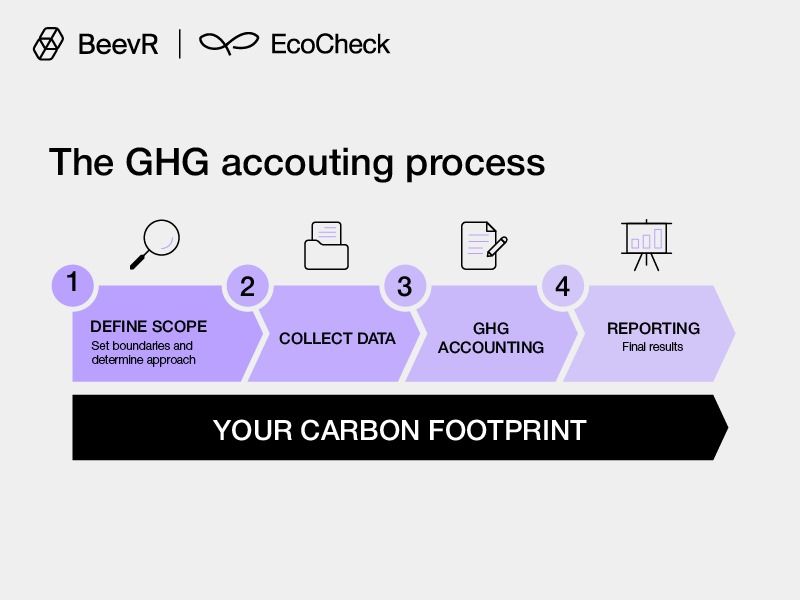
EcoCheck is a streamlined online GHG inventory software, integrated with many features that help optimize resources, processes and time for businesses. Whether you are a business new to GHG inventory or already have information about your emission sources, EcoCheck will accompany you from defining the scope and collecting data to reporting, helping the business quickly complete the report in accordance with regulations and submit it to the competent state management agency.
Greenhouse Gas Emission Reduction Module
This module is built to directly convert detailed GHG inventory data into a strategic and feasible emission reduction plan.
How it works and outstanding benefits:
- Leverage available data: The module automatically integrates the emission data that has already been inventoried, ensuring continuity and accuracy, and saving time on re-entering data.
- Systematic emission reduction planning: Based on the emission database, the module will guide you in building a clear emission reduction roadmap.
- Set realistic Targets: Helps you set specific, measurable emission reduction targets that suit the capabilities and strategy of your organization (for example: reduce total Scope 1 and 2 emissions by 10% by 2028).
- Propose necessary Actions: More importantly, the module supports identifying specific solutions and actions to be implemented to achieve the set targets (for example: upgrading equipment, optimizing processes, using renewable energy, improving logistics efficiency, etc.).
- Monitor and Evaluate: The plan does not just stay on paper. The module allows you to track the progress of implementing actions and the degree to which targets are achieved.
- Create professional Emission Reduction Reports: Finally, you can easily create detailed, transparent emission reduction reports. This report not only serves internal management purposes but is also an important document for reporting to stakeholders (investors, customers, management agencies), demonstrating the organization's commitment and sustainability efforts.
With EcoCheck's GHG Emission Reduction Module, you will:
- Convert data into strategy: No longer stopping at measurement, take proactive action.
- Have a clear emission reduction roadmap: Know exactly what to do and the target you are aiming for.
- Optimize efforts and resources: Focus on the actions that deliver the highest emission reduction effectiveness.
- Enhance reputation and image: Demonstrate a strong commitment to the environment and sustainable development.
- Meet requirements (if any): Proactively comply with regulations or requirements from the supply chain and investors regarding emission reduction.
Reasons to choose the EcoCheck GHG inventory service:
✔️ EcoCheck - Technology platform: Pioneering in technology, continuously updated according to Vietnamese and international standards, ensuring that businesses always comply with the latest inventory standards and the law.
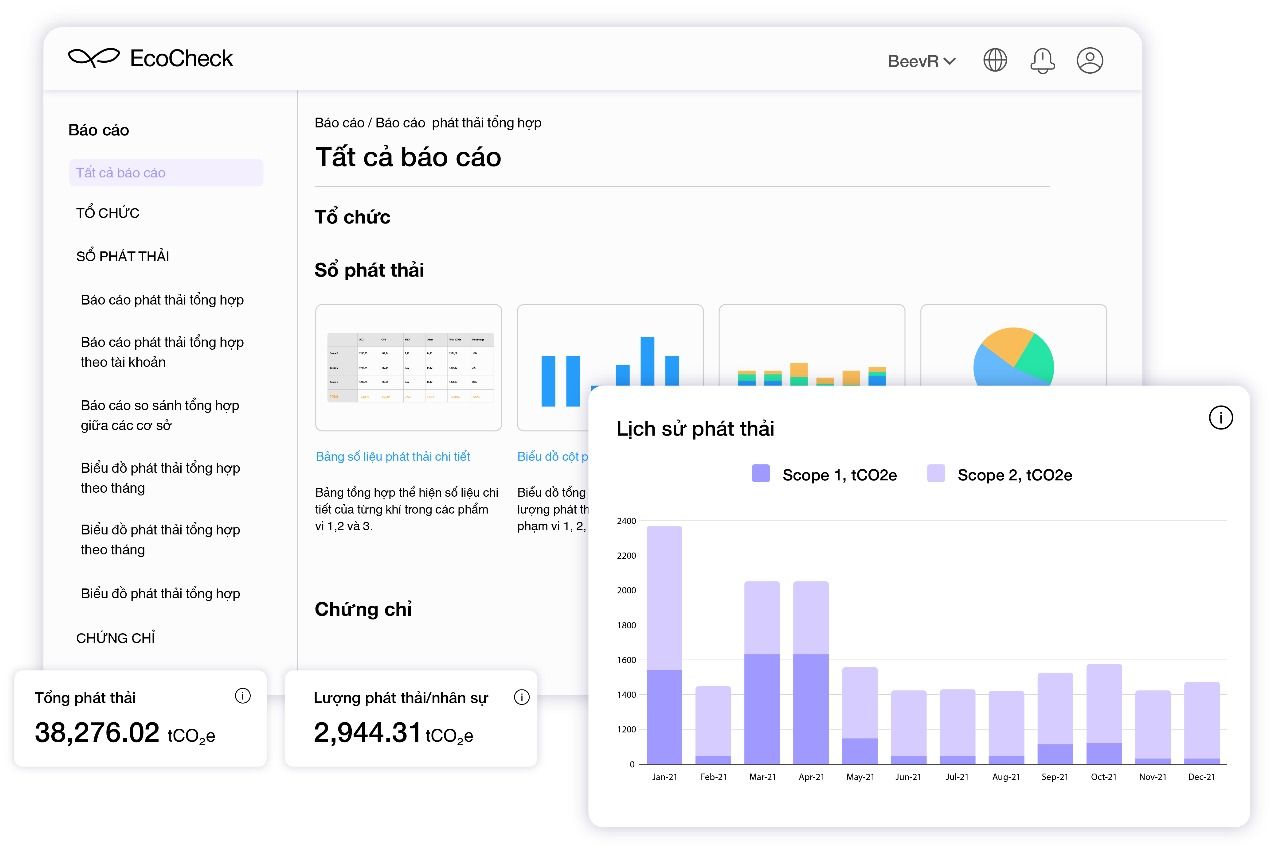
✔️ EcoControl - Inventory autonomy: Provides a clear, easy-to-follow process, helping businesses conducting their first inventory to do so easily and to proactively collect data, calculate and report emissions for subsequent times, saving time and costs.
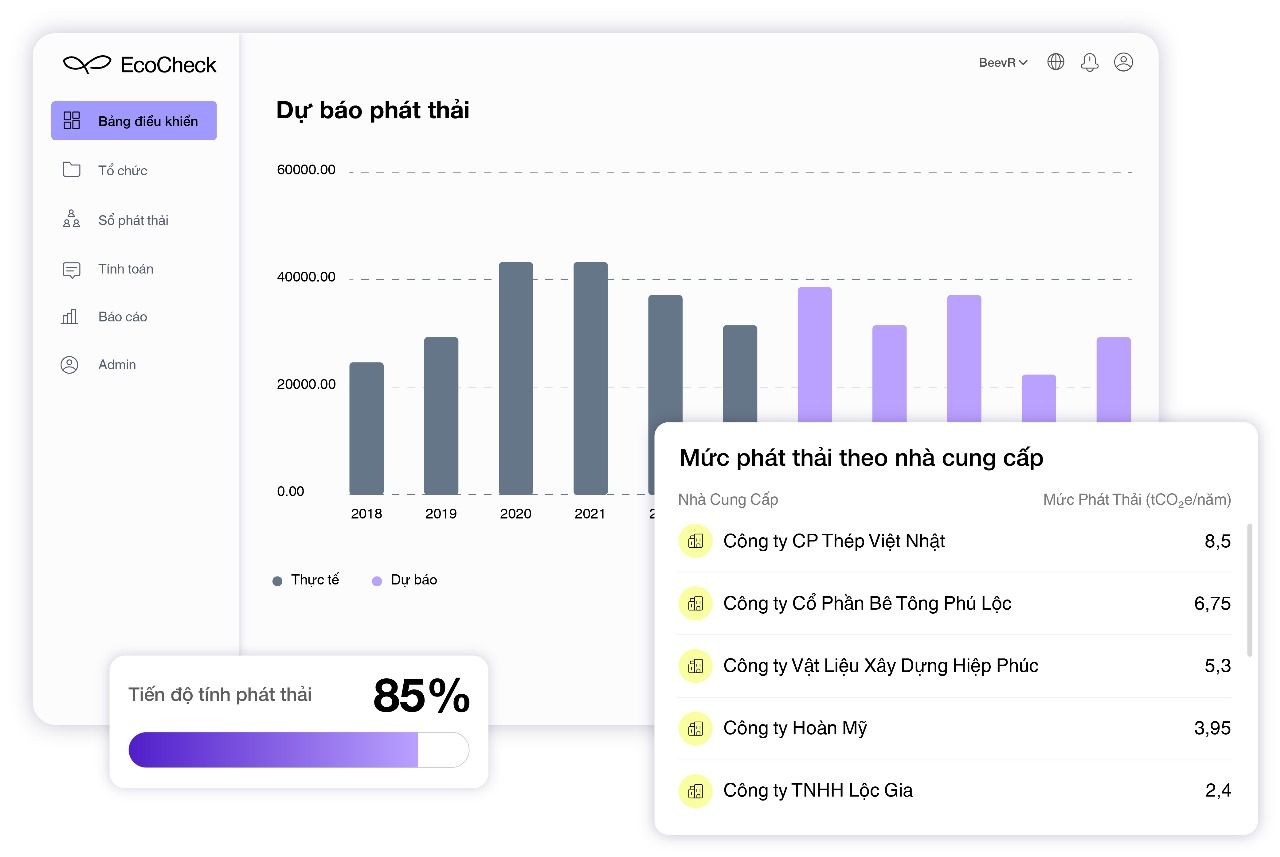
✔️ EcoExpert - Experts by your side: Comprehensive support throughout the inventory process, from technology to inventory expertise and developing an emission reduction plan. With the EcoCheck Copilot in-app 24/7 and a team of experienced experts supporting throughout the process, it ensures the inventory process complies with regulations and stays on schedule.
✔️ EcoAudit - Verified results: Standard-compliant reports, verified in depth, fully meeting the requirements of Decree 06/2022/ND-CP and the ISO 14064-1:2018 standard.
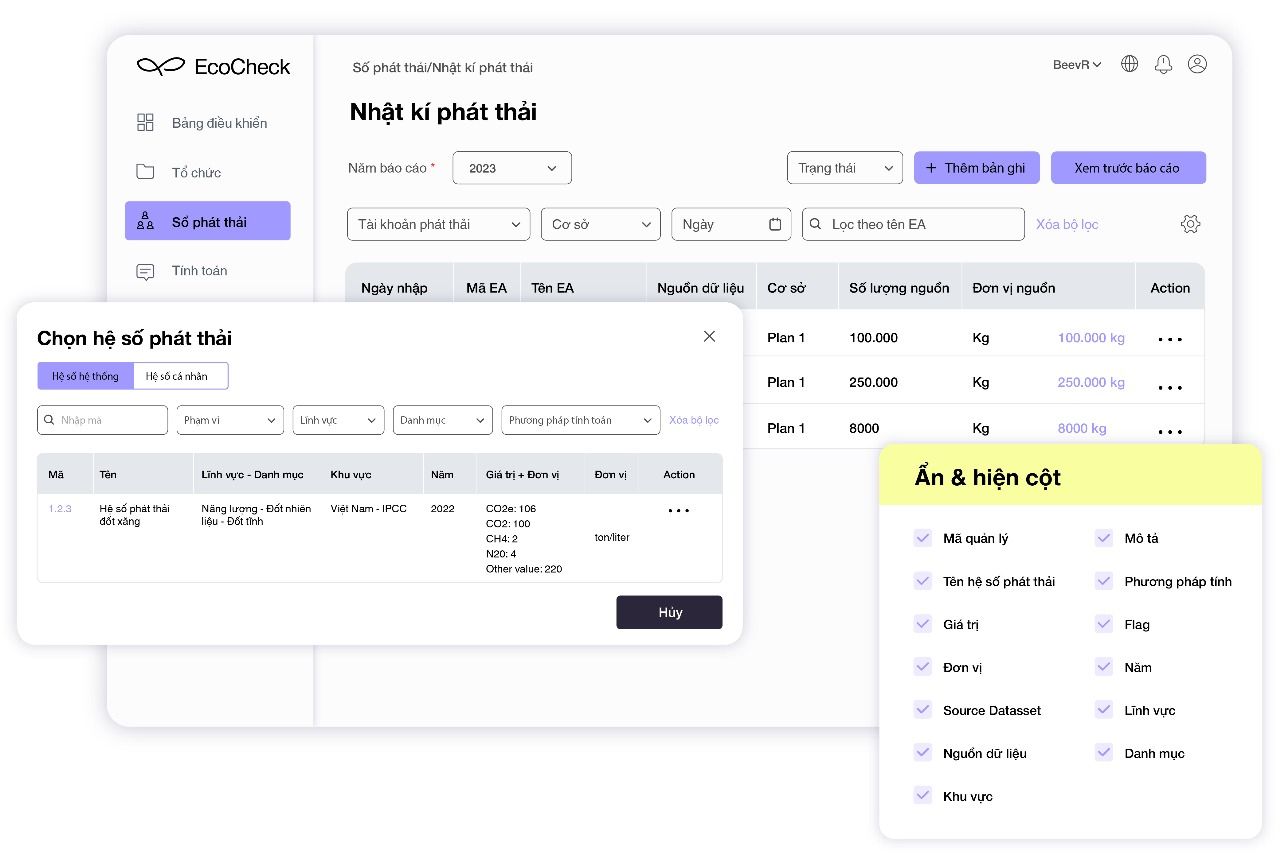
✔️ EcoValue - Reasonable cost: Among the lowest costs on the market. Save on inventory and operating costs, helping businesses optimize their budget and invest sustainably over the long term.
✔️ EcoCheck Academy - Continuous innovation: Creating a community for sharing knowledge, connecting partners, and promoting cooperation and sustainable development in the field of inventory.
Please contact EcoCheck to learn the details of the GHG inventory service for businesses and receive the latest preferential quote.
BeevR Technology Company Limited
- Address: 125 Hoang Ngan, Trung Kinh, Cau Giay, Hanoi
- Facebook: https://www.facebook.com/BeevRTechnologies/
- Hotline: 037.6869.366
- Email: [email protected]
- Website: https://ecocheck.ai/